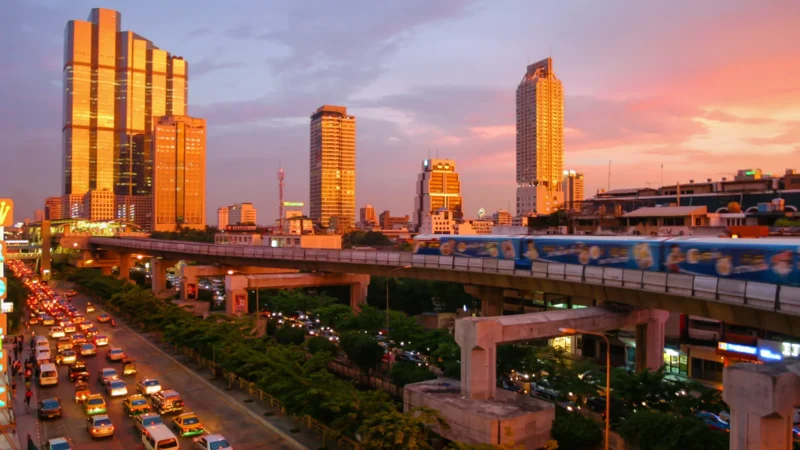
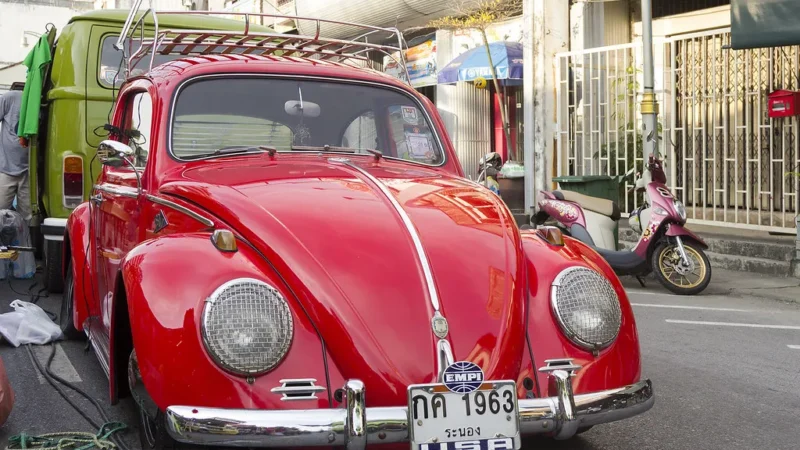
Phuket doesn’t apologize for its contradictions. The island holds a Michelin-starred dining scene 10 minutes from the oldest Sino-Portuguese shophouses in Thailand. There are elephant sanctuaries in the hills above Kamala, and a coastline that still has places where you can anchor a longtail and swim alone. It also has Bangla Road. All of it is real. All of it is Phuket.
We’ve been covering the island long enough to remember when the Big Buddha’s marble surface was still being laid piece by piece, and to watch Maya Bay close, recover, and reopen under visitor limits that actually work. The island changes. What stays constant is the density. You can move from temple to beach to jungle to night market in a single day without feeling like you’re cheating any of them.
Below are the 10 things worth your time in 2026, ordered the way we’d actually recommend approaching them. It includes the specific details that don’t make it into the brochure and the honest limitations that should shape how you plan.
Quick picks of the best things to do in Phuket at a glance
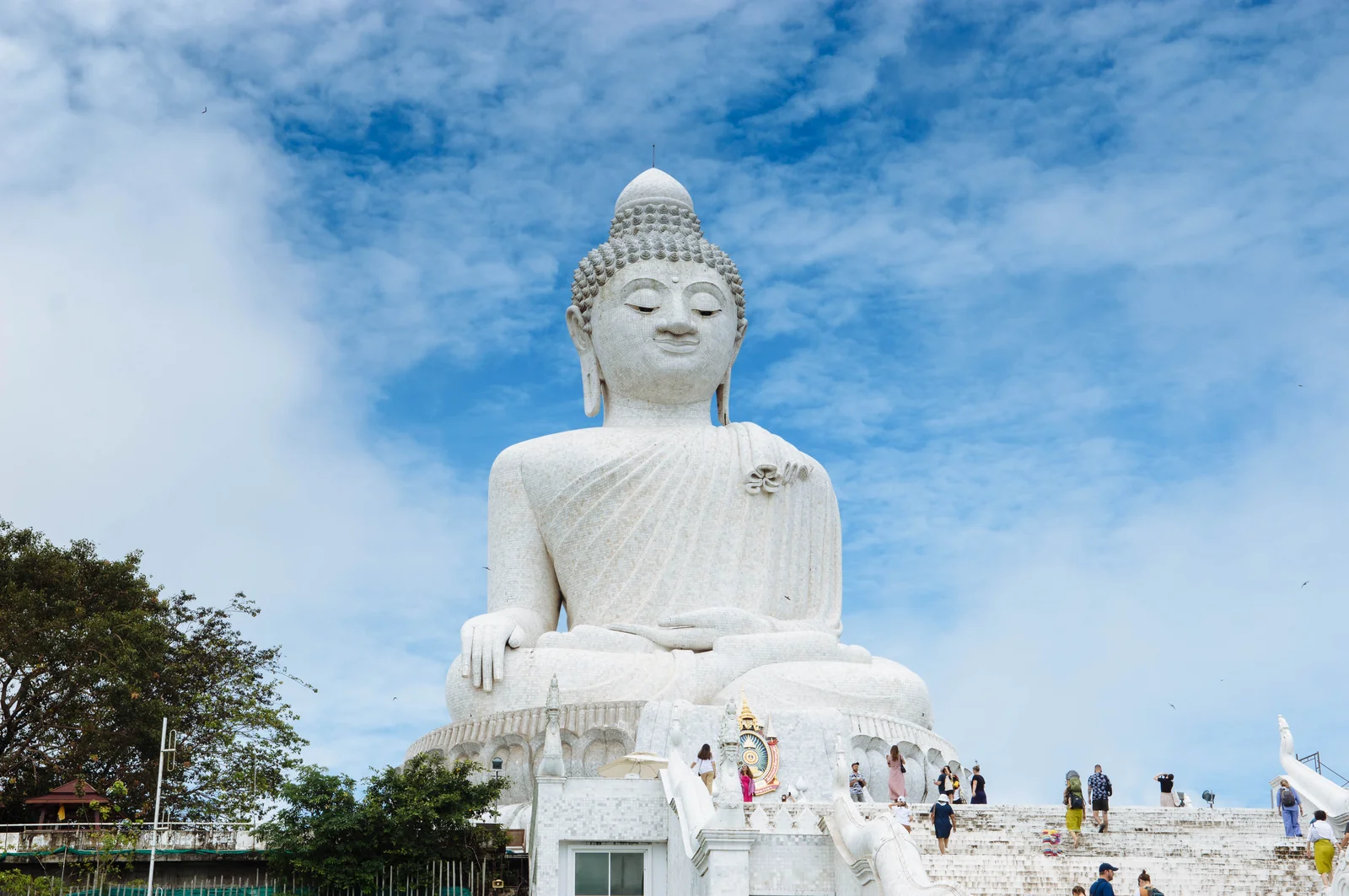
1. Big Buddha (พระพุทธมิ่งมงคล เอกนาคคีรี)
 PLACE
PLACE
Big Buddha (พระพุทธมิ่งมงคล เอกนาคคีรี)
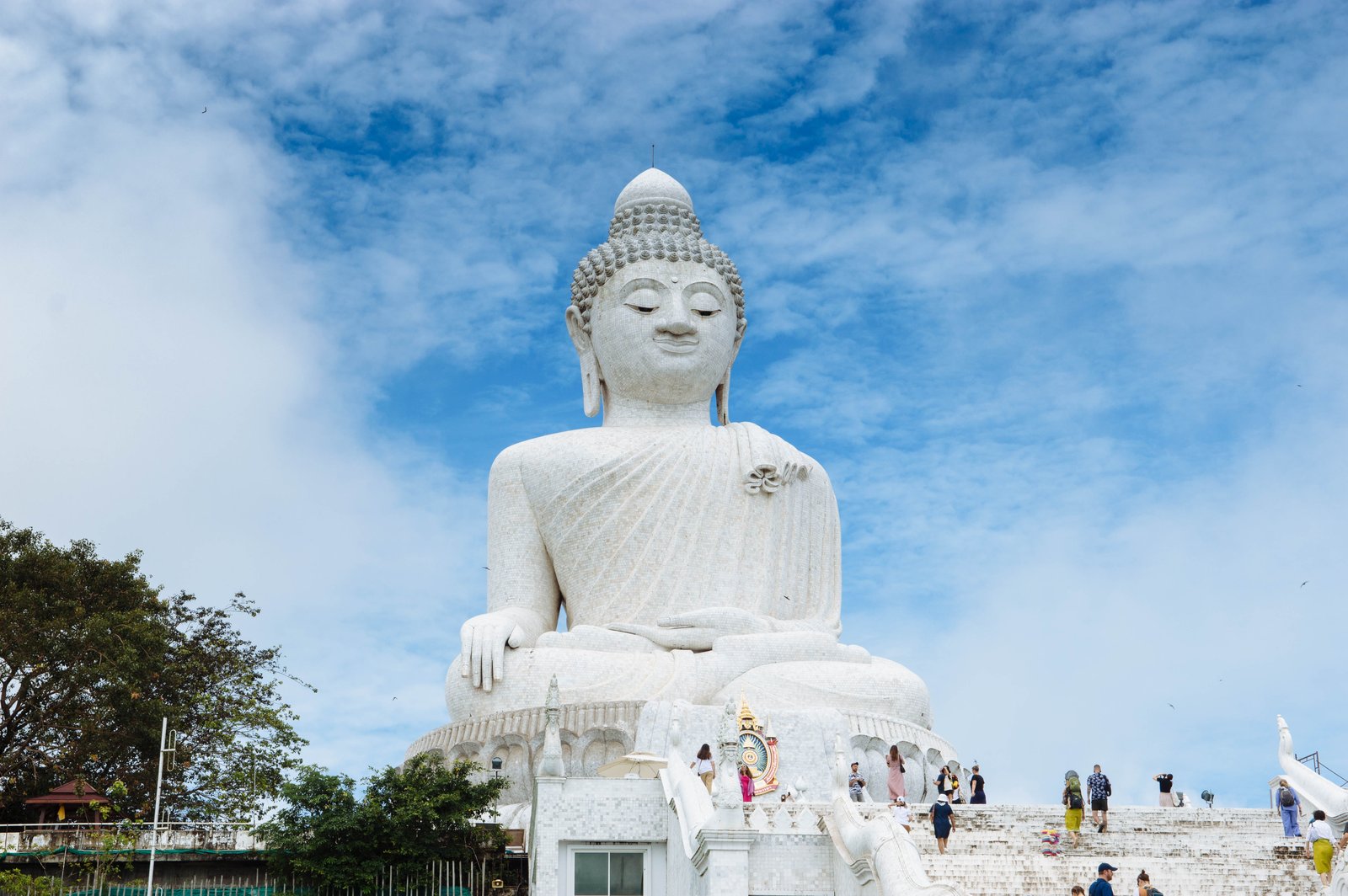
45m Burmese-marble statue on Nakkerd Hill, visible from most of the island. The marble plates were installed by donations, and you can still read donors' names pressed into the base tiles. Free entry, but the stalls at the base are unavoidable.
At 45 meters, the Big Buddha on Nakkerd Hill is visible from Patong beach, from the highway north toward the airport, and from most of the island’s hills on a clear day. The statue is white Burmese marble, delivered in panels, funded by donations from Thai Buddhists across the country. If you crouch at the base and look at the tiles, you can read the names and hometowns of the people who paid for each one. That’s the detail the tour bus guides don’t mention.
Go before 9am. The drive up the hill takes 20 minutes from Patong by taxi, which will run $4-6. Before the coaches arrive, the only sounds are monks and roosters. The dress code is enforced at the entrance, with shoulders and knees covered. If you forget, wraps are available free at the gate, and the attendants hand them over without ceremony. After 10am, the vendor stalls around the base fill with noise and souvenir pressure. The statue itself is unchanged, but the atmosphere is not.
The views from the hill are the secondary reward. You can see the curve of Karon and Kata beaches on one side and the mangroves of Phang Nga Bay on the other. Watching the sun come up from this hill is still the cleanest way to start a Phuket morning, and returning visitors consistently say the same.
Time the temples and the islands separately. Stack your two free morning sights, Big Buddha and Wat Chalong, on the same early start before 9am, then keep your island days for September to November when the water is calmest. Booking a Phang Nga Bay or Phi Phi tour the day before, rather than on arrival, gets you the better-run operators while the popular slots are still open in high season.
2. Wat Chalong (วัดฉลอง)
 PLACE
PLACE
Wat Chalong (วัดฉลอง)
Phuket's most important temple complex, 12 buildings across a large compound. The main chedi houses a bone fragment relic of the Buddha. Free entry, less than $1 donation box near the main hall. Busy on Buddhist holidays when the compound fills with worshippers from across the island.
Wat Chalong (วัดฉลอง) is the spiritual center of Phuket in a way that the tourist sites aren’t. The compound holds 12 buildings, including a gilded chedi built to house a bone fragment relic of the Buddha. On an ordinary Tuesday morning, you’ll find flower garland vendors outside, local families standing quietly at the donation boxes, and monks moving between the buildings in a rhythm that doesn’t pause for anyone. That ordinariness is the point.
The temple takes around 25 minutes to reach from Patong by car. Morning visits are genuinely quiet. The main hall has murals across three walls depicting the life of Luang Pho Chaem, one of the two abbots who helped end a Malay uprising in the 1870s. The detail of those murals, hand-painted and dense with scene, rewards slow looking. On Buddhist holidays, the compound fills with Thai worshippers from across the island and the atmosphere shifts entirely. It goes loud, smoky with incense, deeply alive. That version of the temple is worth seeing too, but it’s a different visit.
Entry is free. There’s a donation box near the chedi. Drop something in. The less than $1 suggested donation box is one of the more honest transactions in Phuket tourism.
3. Phuket Old Town (ย่านเมืองเก่า)
 PLACE
PLACE
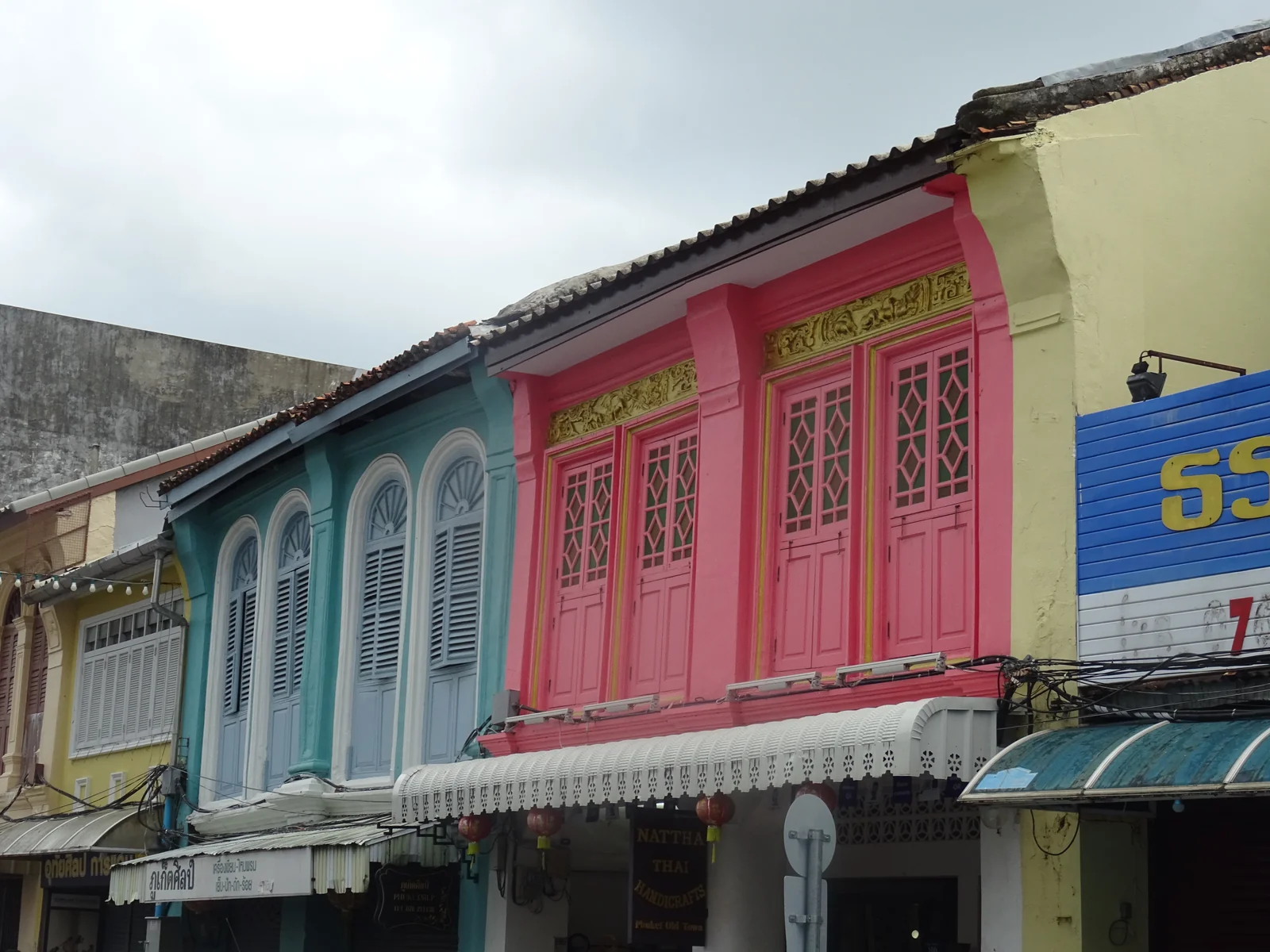
Phuket Old Town (ย่านเมืองเก่า)
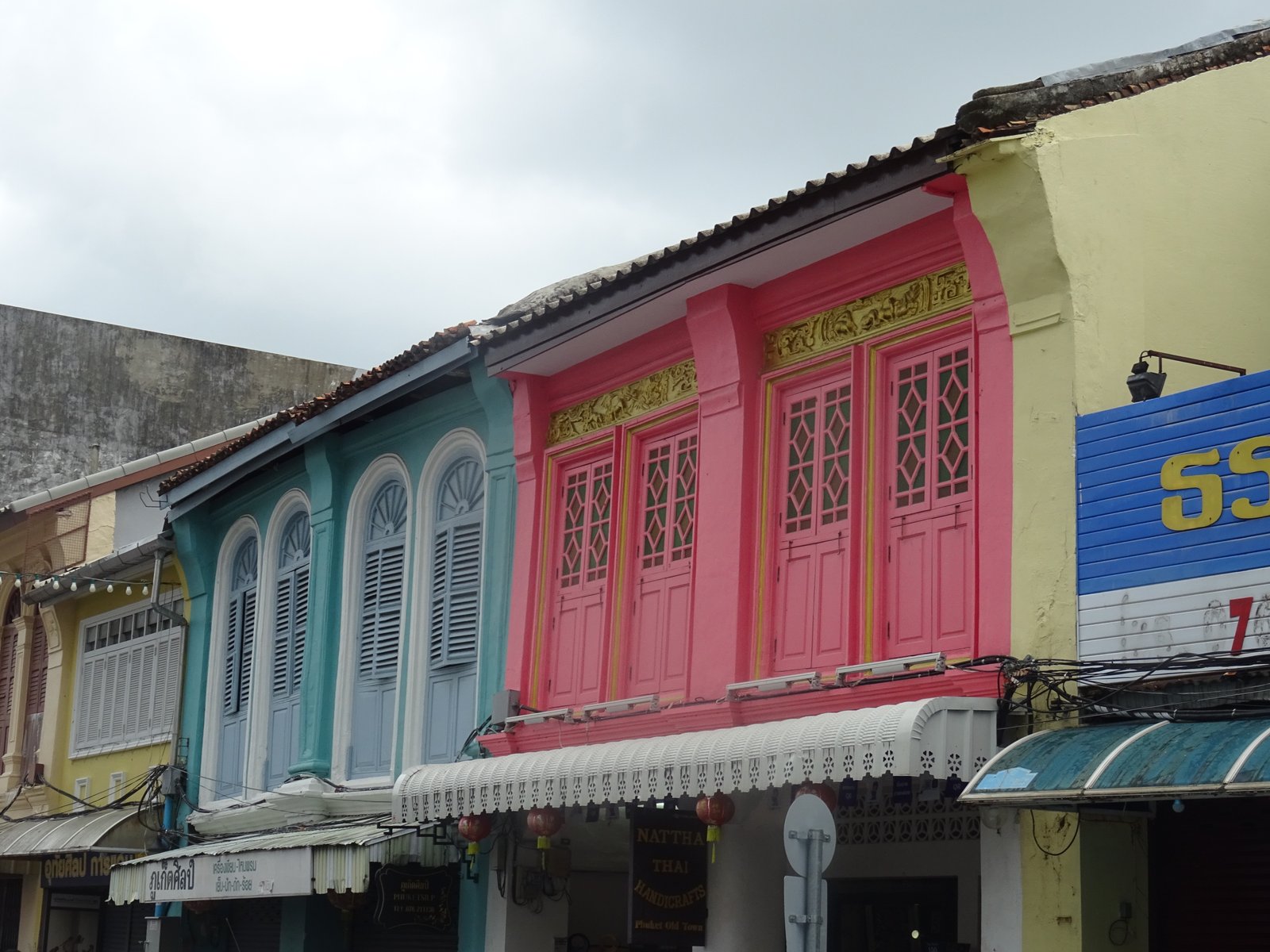
Sino-Portuguese shophouse district built during the tin mining era. Thalang Road is the main street. Thai Hua Museum ($6) is the old Chinese school building, explaining Baba-Nyonya Hokkien culture. The Sunday Walking Street (Sundays only, 6pm-10pm) closes the road to vehicles. Don't come Saturday evening expecting it.
The shophouses on Thalang Road and Dibuk Road were built by Hokkien Chinese merchants who came to Phuket during the tin mining boom of the 1800s and early 1900s. They married into local Malay families and created a hybrid culture called Baba-Nyonya. What they left behind is an architectural vocabulary still intact today. Shuttered facades in faded yellow and blue, five-foot walkways, carved wooden details that have survived the humidity for over a century. Walking the streets in the early morning, before the coffee shops open and the mural-spotting tourists arrive, the scale of that history actually settles on you.
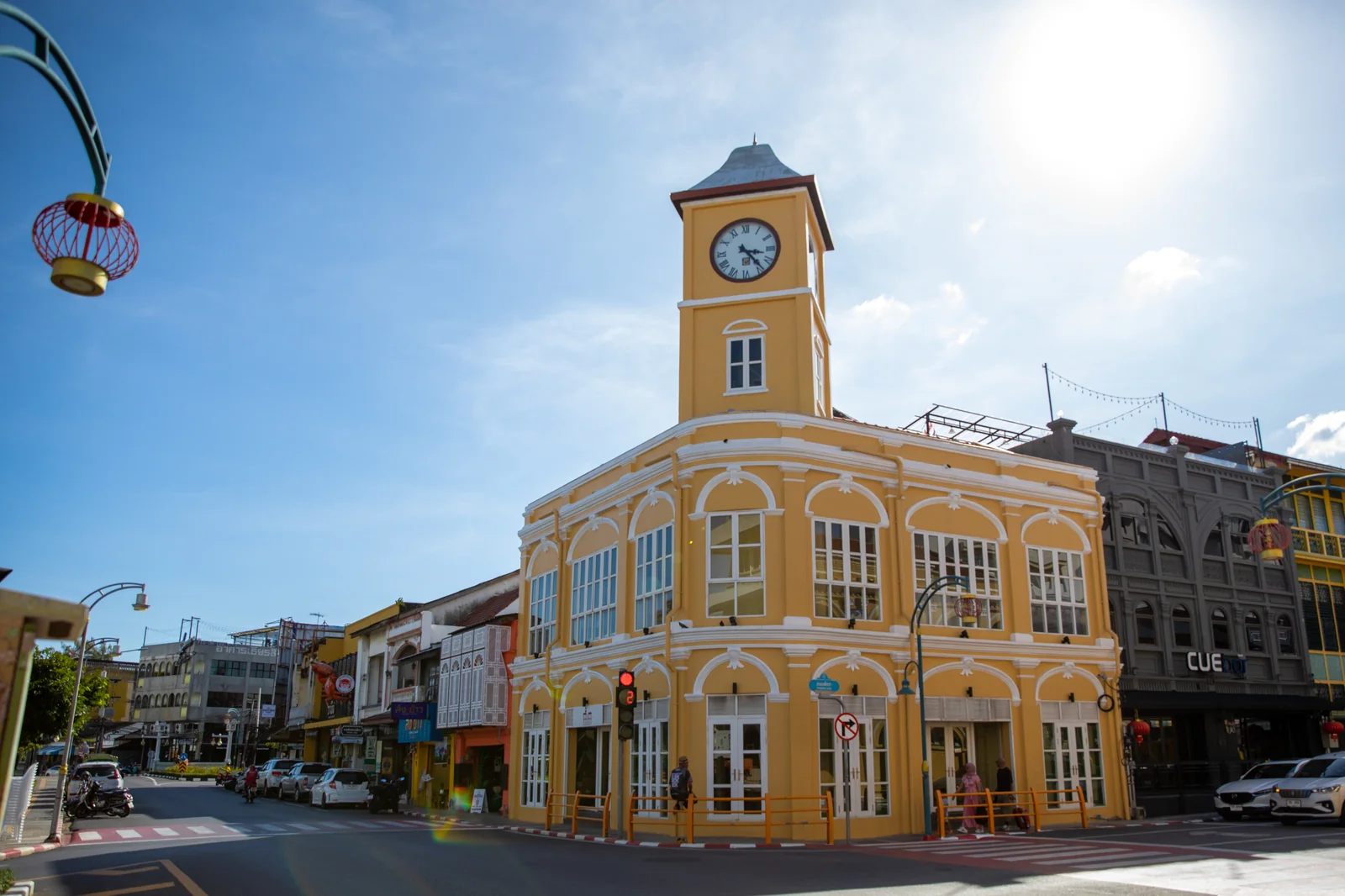
The Thai Hua Museum is the building to go to if you want that context made explicit. It was the old Chinese school, and its $6 admission gets you into a thoughtfully curated explanation of Baba-Nyonya culture, covering the dress, the language mix, and the food. It’s not a large museum, but it earns its admission in specificity. The Sunday Walking Street on Thalang Road runs from 6pm to 10pm and fills with local food vendors, handmade craft stalls, and live music. It’s genuinely good. Know that it’s Sundays only. We’ve seen travelers show up Saturday evening expecting it and find a quiet street. The days are not interchangeable.
The neighborhood rewards wandering. Take a side street off Thalang and you’ll find a Chinese shrine active enough that the incense is always burning. There are murals of local Chinese families eating together, and a coffee shop that still has the original teak floor from when it was a dry goods store. None of this requires a plan.
4. Phi Phi Islands Day Trip (เกาะพีพี)
 PLACE
PLACE
Phi Phi Islands Day Trip (เกาะพีพี)
90-minute speedboat from Phuket to two islands: Ko Phi Phi Leh (Maya Bay, visitor-controlled) and Ko Phi Phi Don (the populated island). Maya Bay reopened 2022 with a 30-minute maximum stay per group and no anchoring. Best September-November. Massively overcrowded December-February.
Maya Bay closed in 2018 because the coral underneath it was dying from the weight of 4,000 daily visitors. When it reopened in 2022 with a 30 minute maximum visit per group and a no-anchoring rule, something changed. The water around the bay went back to green. By October 2024 the visibility was back to about 8 meters and the sand had recovered. The restriction works. Know that the 30 minute cap means you won’t linger, which is the point.
The day trip from Phuket runs about 90 minutes each way by speedboat, costing $43-71 roundtrip depending on the operator and the itinerary. The best time to go is September to November, when crowds are thinner and the water is calmer for snorkeling. December to February is peak season and Ko Phi Phi Don, the main inhabited island, fills beyond capacity. The viewpoint path goes shoulder to shoulder, the bars are loud, and you spend half the day navigating other people’s itineraries. If you go in high season, book a tour that targets Phi Phi Leh, the uninhabited island with Maya Bay, separately from Don. The difference between a focused Phi Phi Leh kayaking tour and a standard party-island day trip is about $14 and about four hours of your sanity. You can check ferry and boat options across Thailand to compare routes and operators.
One detail about the speedboats. The ones leaving Rassada Pier in central Phuket are cheaper. The ones leaving from Ao Po Grand Marina in the northeast are faster. Neither is obviously better, it depends on where you’re staying.
5. Phang Nga Bay / James Bond Island (อ่าวพังงา)
 PLACE
PLACE
Phang Nga Bay (อ่าวพังงา)
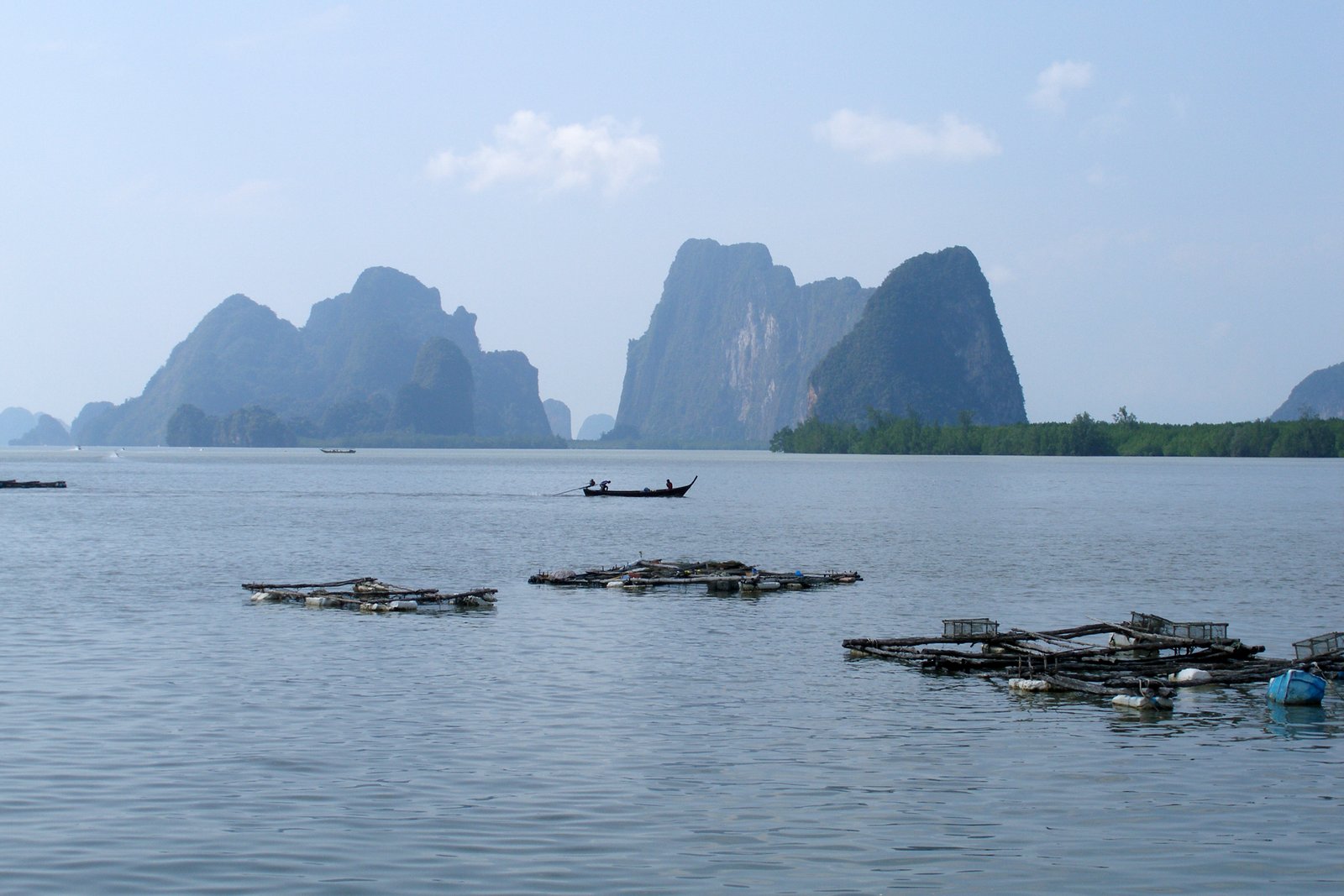
Limestone karst landscape 90 minutes north of Phuket. Ko Tapu (James Bond Island) is the visual anchor. The best access is by sea canoe through caves and mangrove tunnels that speedboats can't enter. Full-day kayak tours $51-71. Standard group tours rush James Bond Island in 20 minutes.
Phang Nga Bay is the karst formation that makes Phuket’s geography intelligible. The limestone towers that rise from the water, some 300 meters tall, were formed by the same geological process as Ha Long Bay in Vietnam. The sea rose, the towers remained. Ko Tapu, the narrow spike of rock that appeared in The Man with the Golden Gun in 1974, is the one everyone photographs. In person it’s smaller than you expect and more precarious-looking. What the film didn’t show is that it sits inside a bay ringed by equal formations, and those formations have caves inside them.
Sea canoe tours are the right way to see this. The passages through the cave systems are low enough that you have to lean back in the kayak to clear the ceiling. They open into hongs, inland sea caves with their own enclosed ecosystems, calm water, birds nesting in the rock above, ferns in the crack lines. A motorboat can’t fit. Full-day kayak-focused tours run $51-71 and include James Bond Island. Pay the extra over the standard speedboat group tour. Standard tours spend 20 minutes at Ko Tapu, which gives you time for a photograph and a crowded walk to a souvenir market. The kayak version gives you the hongs.
Ninety minutes north of Phuket by speedboat, the bay is best visited in the dry season, November through April. In the wet months, the water is rougher and some cave passages close for safety.
6. Elephant Jungle Sanctuary Phuket
 PLACE
PLACE
Elephant Jungle Sanctuary Phuket
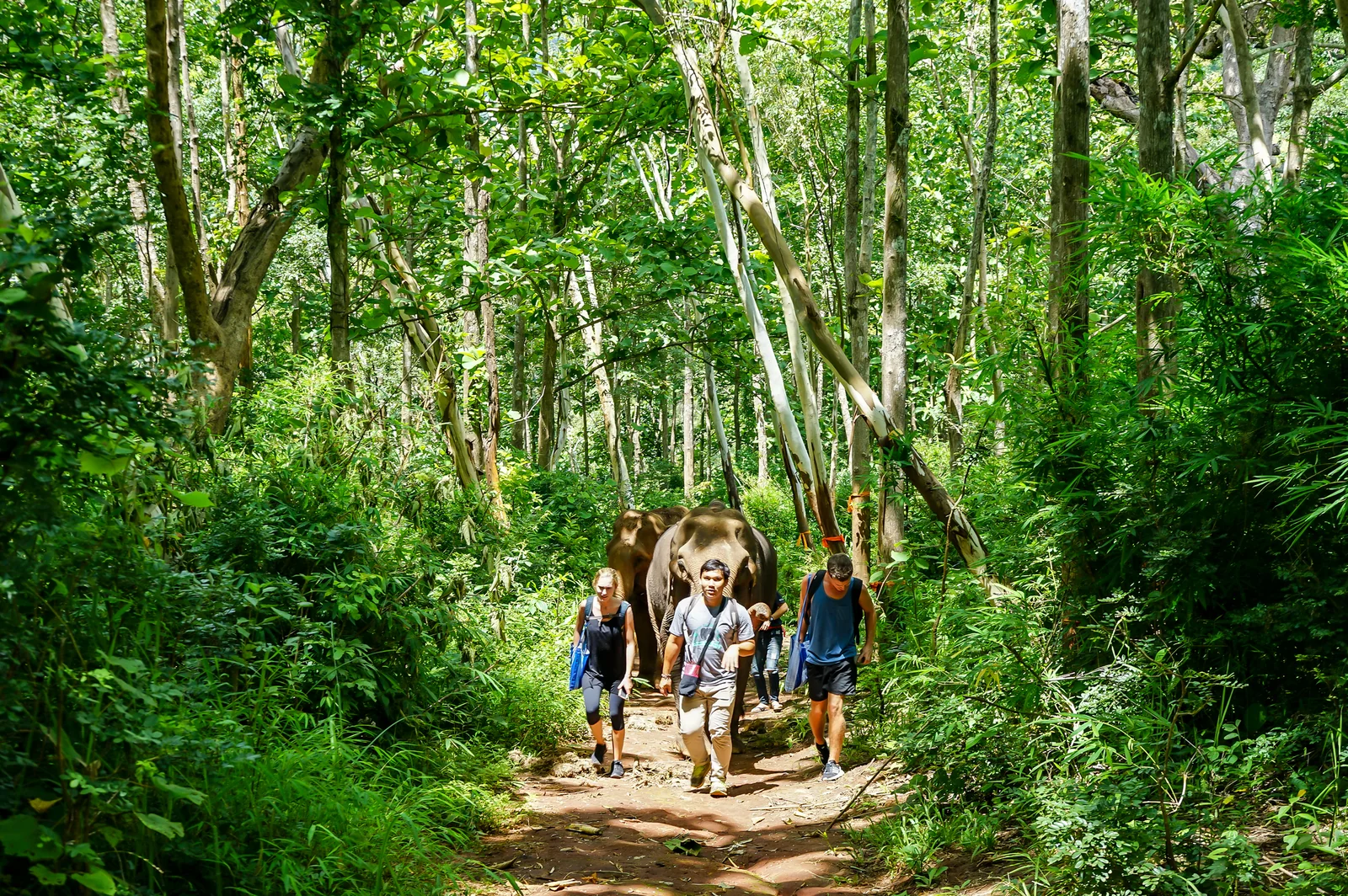
Ethical elephant experience in the hills near Kamala. No riding. Feeding, bathing, and observation only. Genuine rescue sanctuary established 2014. Half-day program $57-71 per person. Books out 1 week ahead in high season. Not the same as commercial camps near Patong that still offer riding.
The hill country above Kamala is quieter than the coastline in a way that takes a minute to register. The road narrows, the resort signage stops, and then you’re in a valley that belongs to a different kind of Phuket. The Elephant Jungle Sanctuary sits in those hills. The thing visitors notice first is that the elephants are already doing what they want to do. One was in the mud, one was pulling at a banana tree, and the mahouts were standing nearby not directing any of it. That’s the signal you’re looking for in a genuine sanctuary.
The sanctuary was established in 2014. Its no-riding policy is not a marketing position, it’s the foundation of the program. The half-day program costs $57-71 per person and includes feeding, bathing, and observation time with individual elephants. Groups are small. The practical limitation worth planning around is booking. Reserve at least one week ahead in high season, December through February, because walk-in availability disappears. The other thing worth knowing is that some commercial elephant camps within 30 minutes of Patong still offer riding and describe themselves as sanctuaries. The programs are not the same. Read the actual program description before you book anywhere, and look for operators that publish their rescue history.
7. Bangla Road at Night (บางลา)
 PLACE
PLACE
Bangla Road (บางลา) at Night
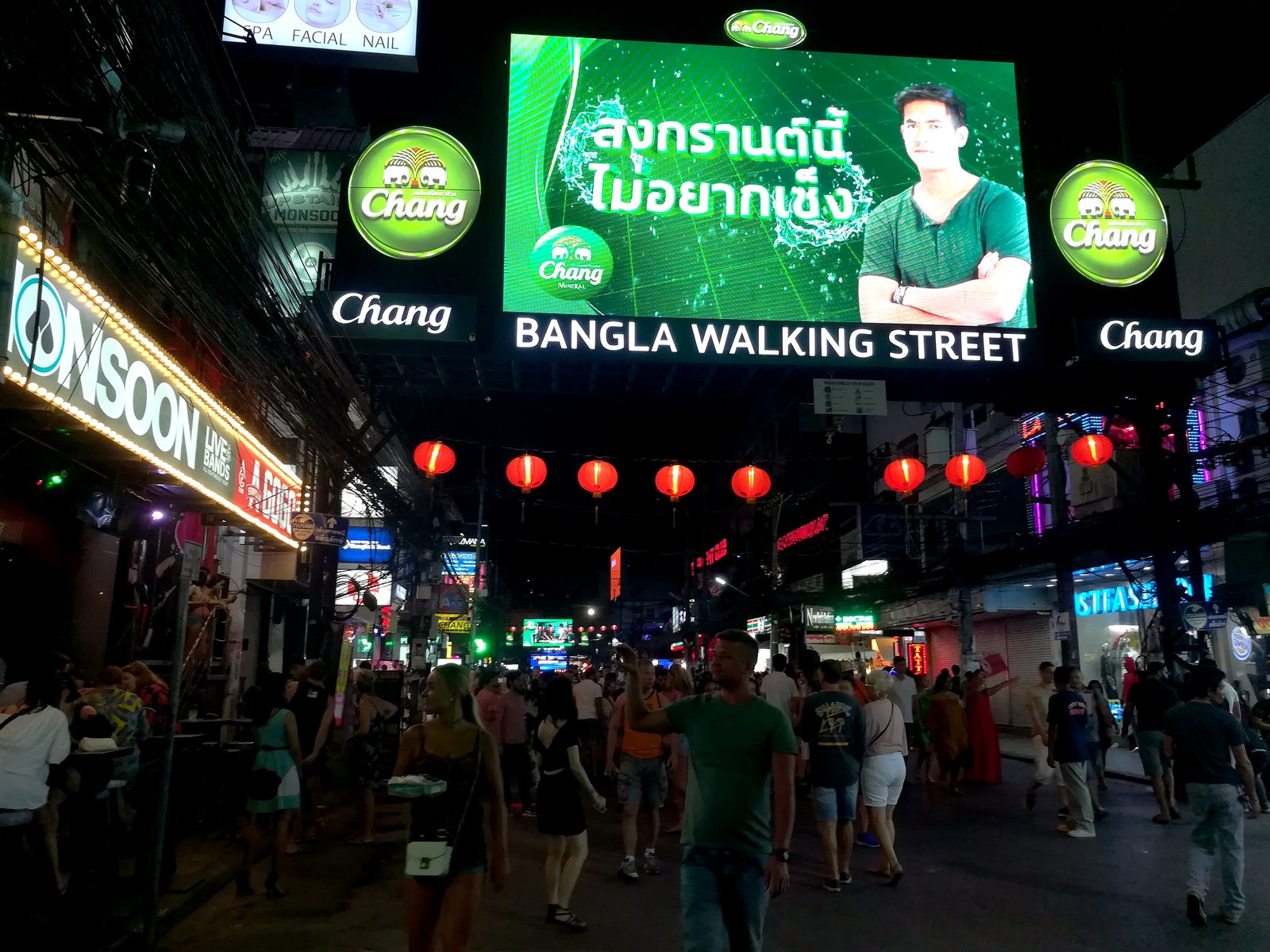
Patong's 400-meter nightlife strip. Fills from 9pm, peaks at midnight. Free to walk. Beers $4-9 at bars along the street. Entirely unsubtle. Not the place for anyone who doesn't want to be approached by touts at regular intervals. Worth one walk-through even if nightlife isn't your scene.
Bangla Road (บางลา) is 400 meters long and makes no apology for being what it is. At midnight on a Saturday in January, it holds several thousand people. LED signs in six languages, bars on both sides with music fighting for the same frequency range, and a pedestrian flow that resembles a slow river in a narrow canyon. The neon hits the pavement and reflects back. It’s loud in the specific way that only Patong manages to be loud.
Walk it once. The entrance from the beach road is the right starting point. You see the whole thing open up in front of you and the scale of it takes a second to process. Beers along the strip run $4-9 at the bar-front spots. The limitation is real and worth naming. You will be approached by touts every 20 meters. Some are selling shows, some are handing out flyers, some are steering people toward specific bars. If you’re comfortable deflecting that kind of attention, the walk is worth it purely for the spectacle. If you’re not, it’s an exhausting 400 meters. That’s an honest read on what Bangla is, and knowing which category you fall into before you go will save you the experience of finding out halfway through.
The side sois off Bangla have a slightly different character. Smaller bars, more relaxed atmosphere, fewer touts. If you want the nightlife without the full sensory load, the side streets are the answer.
8. Cape Promthep Viewpoint (แหลมพรหมเทพ)
 PLACE
PLACE
Cape Promthep Viewpoint (แหลมพรหมเทพ)
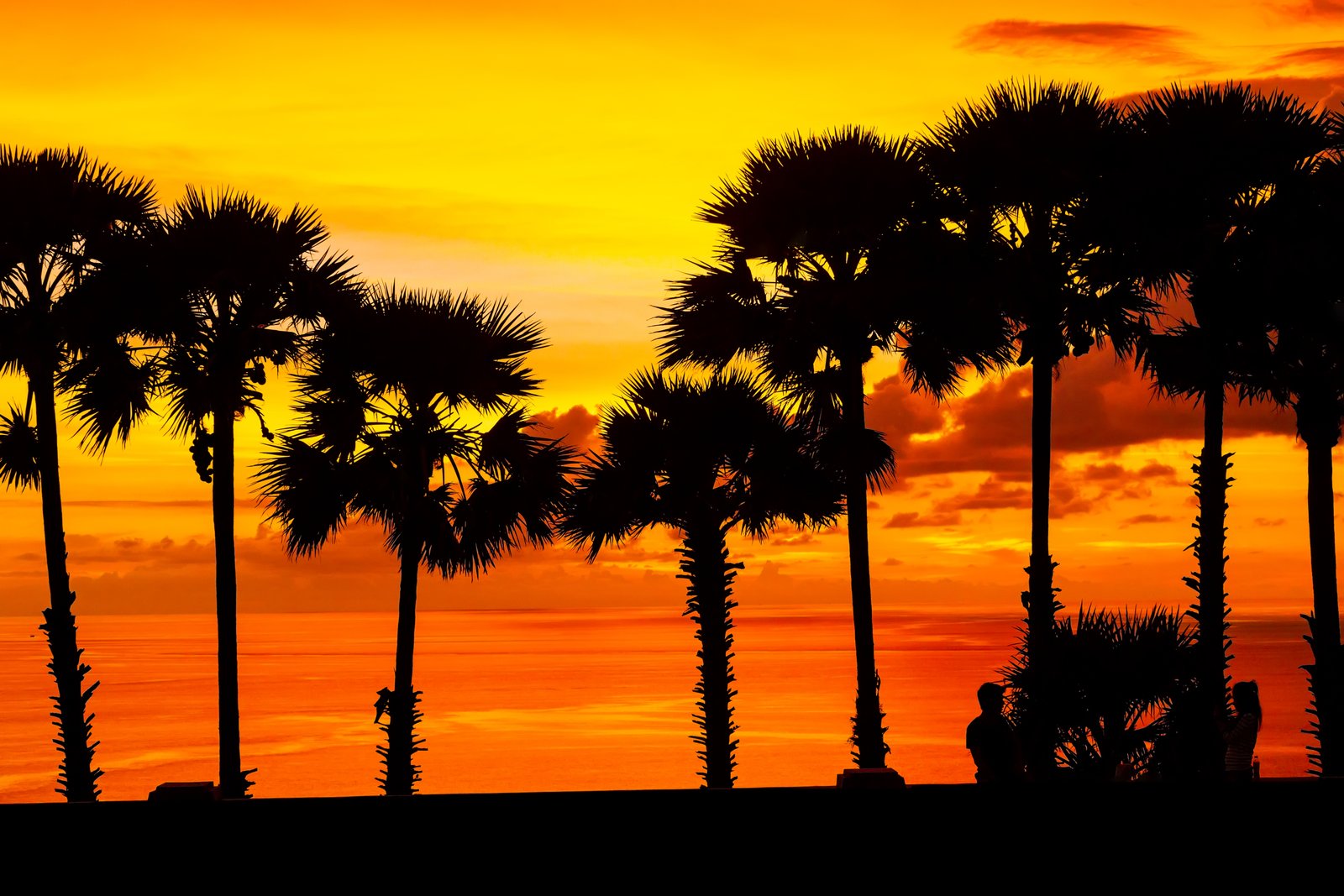
Southernmost point of Phuket. Free entry. 20 minutes from Kata. Sunset viewpoint that draws crowds: arrive 45 minutes before sundown. The elephant shrine at the car park is genuinely charming and often overlooked. Sunset only visible October-April; May-September skies are typically overcast.
Cape Promthep (แหลมพรหมเทพ) is the southernmost point of Phuket. The view from the promontory takes in the Andaman Sea in a 180 degree arc, from the hills of Kata Noi on the left to the small island of Ko Hae (Coral Island) on the right. At golden hour, when the sky goes orange-pink above the water and the limestone silhouettes of the outer islands appear in the distance, the view is the best free thing on the island.
Arrive 45 minutes before sunset. Not because the viewpoint fills early, but because if you arrive at sunset you’re watching other people’s backs. The promontory has a tiered lighthouse at the top, and the benches around the first level are where the good angles are. The elephant shrine in the car park below is worth five minutes of your attention. It’s a cluster of elephant statues donated by Thai drivers who stop to pay respects before road trips. The combination of religious sincerity and roadside scale is specific to Thailand, and to this spot. The limitation that matters most is the weather. The sunset is only reliably visible October through April. In the wet season, May to September, the sky is often overcast by late afternoon and the famous views don’t materialize. If you’re visiting in those months, come for the cape itself rather than for the sunset.
This end of the island, the stretch around Nai Harn and Kata, is where we’d look at accommodation. You can see the best beaches near Phuket from this part of the coast, and the quieter pace here makes it a better base than Patong for most travelers.
9. Phuket Fantasea
 PLACE
PLACE
Phuket Fantasea
Theme park show in Kamala, open evenings 6pm-11:30pm. 3,000-seat theater. Admission $54-63 (show only) or $71-86 with dinner buffet. Elephants, acrobatics, stage magic. Explicitly designed for international tourists. It delivers what it says it is. Not a cultural experience; a mass-entertainment spectacle.
Phuket Fantasea is a 3,000-seat theater show in Kamala that runs six nights a week and has been running since 1998. It features elephants, acrobats, aerial performers, stage illusions, and a soundtrack loud enough to fill the seats. The production values are high. The fog machines work. The elephant segment involves animals that perform routines, not circus tricks, which is a meaningful distinction even if the show context is entertainment-first.
The show costs $54-63 for entry only, or $71-86 if you add the dinner buffet in the adjacent hall. The buffet is large, reasonable, and functional. If you’re going with children, the combination ticket makes sense, because they eat before the show and arrive at the theater not hungry. The limitation to be clear about is what this is. It’s mass-market international tourism, not a window into Thai culture. The show borrows the aesthetics of Thai mythology and Ayutthaya-era costume design and puts them inside a Las Vegas production format. That’s exactly what it has always advertised. If you go expecting a cultural experience, the show won’t deliver it. If you go expecting a well-executed spectacle with elephants and pyrotechnics, it delivers.
Book in advance during high season. Sold-out nights happen. The show typically runs Friday to Wednesday, with Thursdays off, but verify before booking.
10. Snorkeling at Ko Racha Yai
 PLACE
PLACE
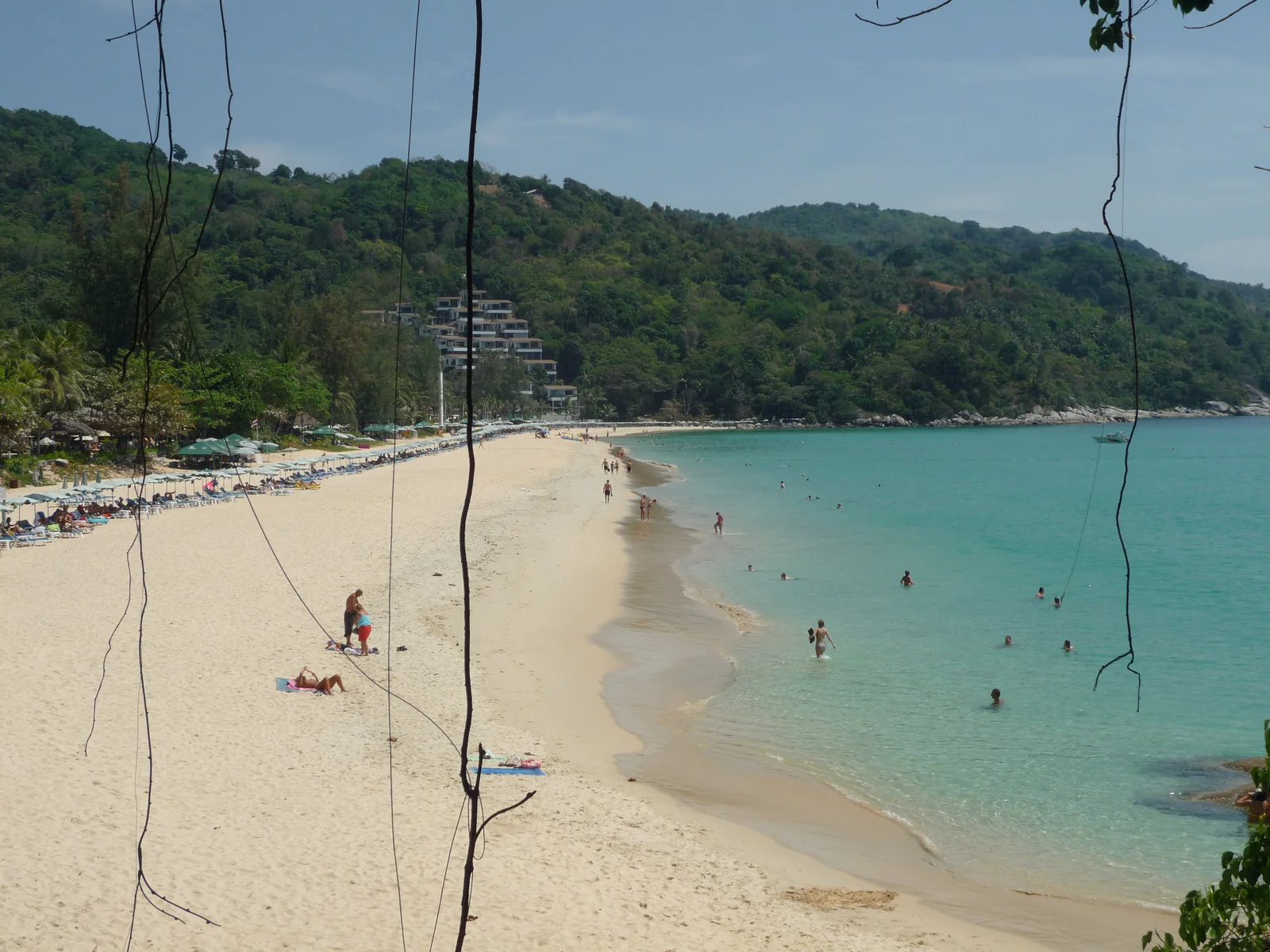
Snorkeling at Ko Racha Yai (เกาะราชาใหญ่)
40-minute speedboat south of Phuket. Bungalow Bay has staghorn coral at 5-10m depth, parrotfish, and occasional reef sharks (harmless). Best visibility October-April. Better clarity than most Phuket-side beach snorkeling. The island has a resort that books some speedboats; confirm your operator's non-guest access before booking.
Ko Racha Yai (เกาะราชาใหญ่) sits 40 minutes south of Phuket by speedboat, past the Chalong Pier departure point. The visual difference between the water there and the beach snorkeling you can do off Kata or Karon is significant. At Bungalow Bay on the northwest side of the island, the coral starts at about 5 meters and runs to 10 meters. You’ll see staghorn formations, brain coral, and parrotfish working the reef in small groups. We’ve also seen blacktip reef sharks on the sandy bottom near the coral edge. They’re shallow-water hunters that treat snorkelers as furniture. Worth knowing they’re there. Not worth being nervous about.
Best visibility is October through April, when the northeast monsoon keeps the Andaman Sea calmer from the south. In the wet season, visibility at Ko Racha Yai drops, though it’s still generally better than the main Phuket beaches. The practical note is access. There’s a resort on the island that contracts some of the speedboat operators for guest transport. If you’re a non-guest booking a day trip, ask your tour operator directly whether they have confirmed access to the beach at Bungalow Bay. Most do, but the arrangement matters. Snorkeling trips run $34-51 roundtrip depending on departure point and group size. If you’re serious about the reef, comparing Ko Racha Yai against the other snorkeling spots near Phuket is worth doing before you book.
Getting around Phuket and the best months to visit
Getting Around Phuket
Phuket is not a walking island. The distances between the main attractions range from 20 to 90 minutes by road, and the public transport system, which exists in theory via songthaew shared trucks on fixed routes, is slow and unreliable for tourist use. The practical options are taxis, Grab (the Thai ride-hailing app), and rented motorbikes or cars.
Grab is the most reliable and transparent option. You see the price before you confirm, and it’s generally cheaper than metered taxis for cross-island trips. Taxis from Patong to the Big Buddha should cost $4-6 by meter. Unmetered taxis will quote $11-14. The distinction matters. For day trips and island excursions, your accommodation or a reputable tour desk will be the most efficient booking point. If you’re renting a motorbike, the road to Promthep Cape is straightforward. The road to the Big Buddha has a steep section that catches inexperienced riders in the wet season when the surface is slick.
Where you sleep decides your taxi bill. Patong is central for nightlife, but most of the better sights sit south, so basing yourself around Kata or Nai Harn cuts the daily Grab fares to Promthep Cape, Wat Chalong, and the southern piers. Pier choice matters too. Rassada Pier in central Phuket runs the cheaper island boats, while Ao Po and Chalong on the east and south are faster departure points for Phang Nga Bay and Ko Racha Yai.
For ferries between Phuket and the surrounding islands, including Ko Phi Phi and Ko Lanta, the complete ferry guide covers schedules and operators across the region. Most ferries depart from Rassada Pier (central Phuket) or Bang Rong Pier (northeast coast).
Best Time to Visit
November through April is dry season on the Andaman coast, with clear skies, calm seas, and reliable visibility for snorkeling and island trips. This is also high season, meaning December through February brings the highest prices and the heaviest crowds, particularly at Maya Bay, the Big Buddha, and Bangla Road.
May through October is the wet season. Rain is rarely continuous, it comes in afternoon storms, and the mornings are often clear. Hotel prices drop substantially, sometimes by 30-50%. The tradeoff is reliability. Some speedboat operators reduce schedules or cancel trips to the outer islands when conditions are rough, and the Cape Promthep sunset, one of the main draws, is unreliable behind cloud cover. For budget travelers comfortable with flexible itineraries, the months of May and October offer the best balance of price against experience. The Old Town, temples, and elephant sanctuary are excellent in any month.
If you’re flying into Phuket from Bangkok, it’s worth comparing a direct flight against the train and ferry combination via Surat Thani. For that calculation and others, the SHA-certified hotel guide for Phuket includes accommodation recommendations across all price points.
How this list compares to the major Phuket editorial coverage
Across recent editorial coverage of Phuket attractions, the Big Buddha, Phang Nga Bay, and Old Phuket Town recur. Time Out Phuket emphasizes the Old Town’s Sino-Portuguese architecture as the top cultural draw. Lonely Planet leads with Phang Nga Bay tours and Promthep Cape sunsets. For the official attractions database, see the Tourism Authority of Thailand Phuket page.
Where to stay in Phuket across south, mid, and north beach districts
Where you base yourself shapes how the island feels. The south, around Kata and Nai Harn, is quieter and closer to Promthep Cape and Ko Racha Yai. Karon sits between Kata and Patong, a reasonable midpoint. Patong puts you inside the energy of Bangla Road, which is either what you want or it isn’t.
 STAY
STAY
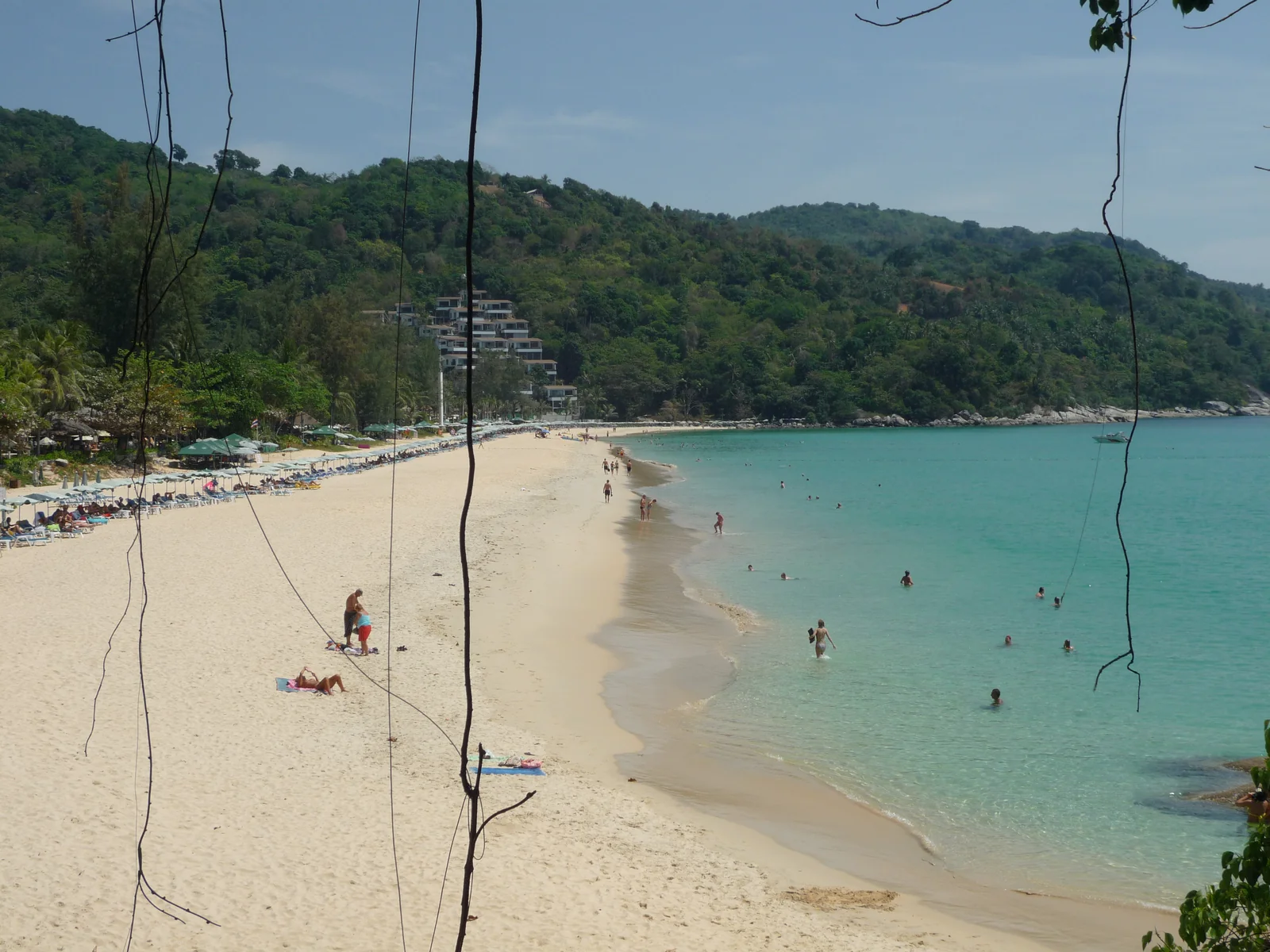
The Shore at Katathani
The quiet end of Kata Noi beach, with direct beach access from its own private stretch. Close to Nai Harn and Promthep Cape. The pool villas face the sea rather than the car park, which matters at this price. Not the right choice if you want to walk to bars or restaurants without a taxi.
 STAY
STAY
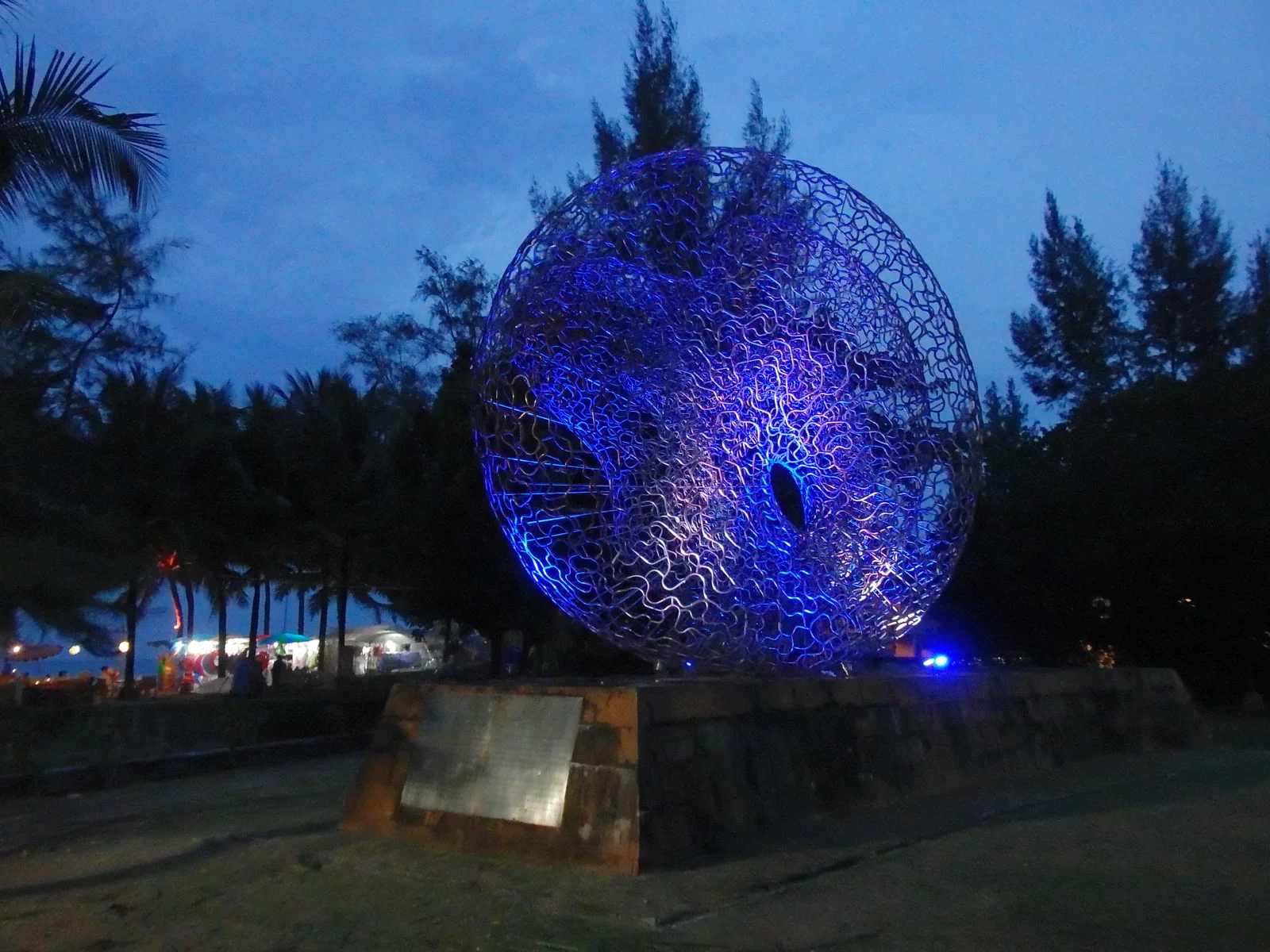
Novotel Phuket Phokeethra Resort
Sits between Old Town and Kata, in Karon, which makes it a practical base for both the southern beaches and the cultural sites in Phuket City. Large pool area, consistent service, reliable breakfast. Rooms are functional rather than characterful. The walk to Karon beach is about 10 minutes; the beach itself is long and rarely crowded.
 STAY
STAY
Ibis Phuket Patong
Budget-tier chain hotel walking distance from Bangla Road and Patong beach. Rooms are small, clean, and reliable in a way budget options in Patong often aren't. The area around it is loud at night. If you're not planning to sleep before midnight, this is a fine trade. If you are, it isn't.
For a wider selection of SHA-certified properties across Phuket’s different districts, the full Phuket SHA hotel guide covers options from Patong to Nai Harn with current pricing and verified scores.
Frequently asked questions about the best things to do in Phuket
What is the best thing to do in Phuket for a first-time visitor?
How many days do you need in Phuket to see the main attractions?
Is Phuket Old Town worth visiting?
What is the best time of year to visit Phuket?
Is one day enough for a Phi Phi Islands trip from Phuket?
Is the Phuket elephant sanctuary in Kamala genuinely ethical?
Turn the highlights into a plan with our 3 days in Phuket itinerary. For the island day, our Phuket to Koh Phi Phi ferry guide covers the crossing.
For Thailand activities by type, covering adventure, cultural, nature, food, wellness, and nightlife, see our complete Thailand activities guide.