Thailand’s oldest national park starts the day with a hornbill. Around 06:30 along the road past kilometer 33, a great hornbill calls and another answers from a kapok tree. The sound carries a long way through the wet morning air. Walk the trail behind the Pha Kluai Mai campground and the gibbons start a few minutes later. The park does not feel close to a city of 11 million people. It is, though. Bangkok is 180 kilometers south, and most of the cars at the gate by 09:00 came up that morning.
Khao Yai is Thailand’s first national park, gazetted in 1962, and it covers 2,168 square kilometers across four provinces. UNESCO inscribed it in 2005 as part of the Dong Phayayen-Khao Yai Forest Complex. The gap between a single day visit and a two night stay is wider than most guides admit, and this piece is built around that choice. It carries the route, the entry fee, the dress code, and the right time of day for each stop. A trip planner that pairs morning wildlife with an afternoon of Asoke Valley wine tasting is the most rewarding Khao Yai itinerary, and we set out below where to do which.
Compare ground transport to Khao Yai if you are starting in Bangkok and want fares before you commit to the trip shape.
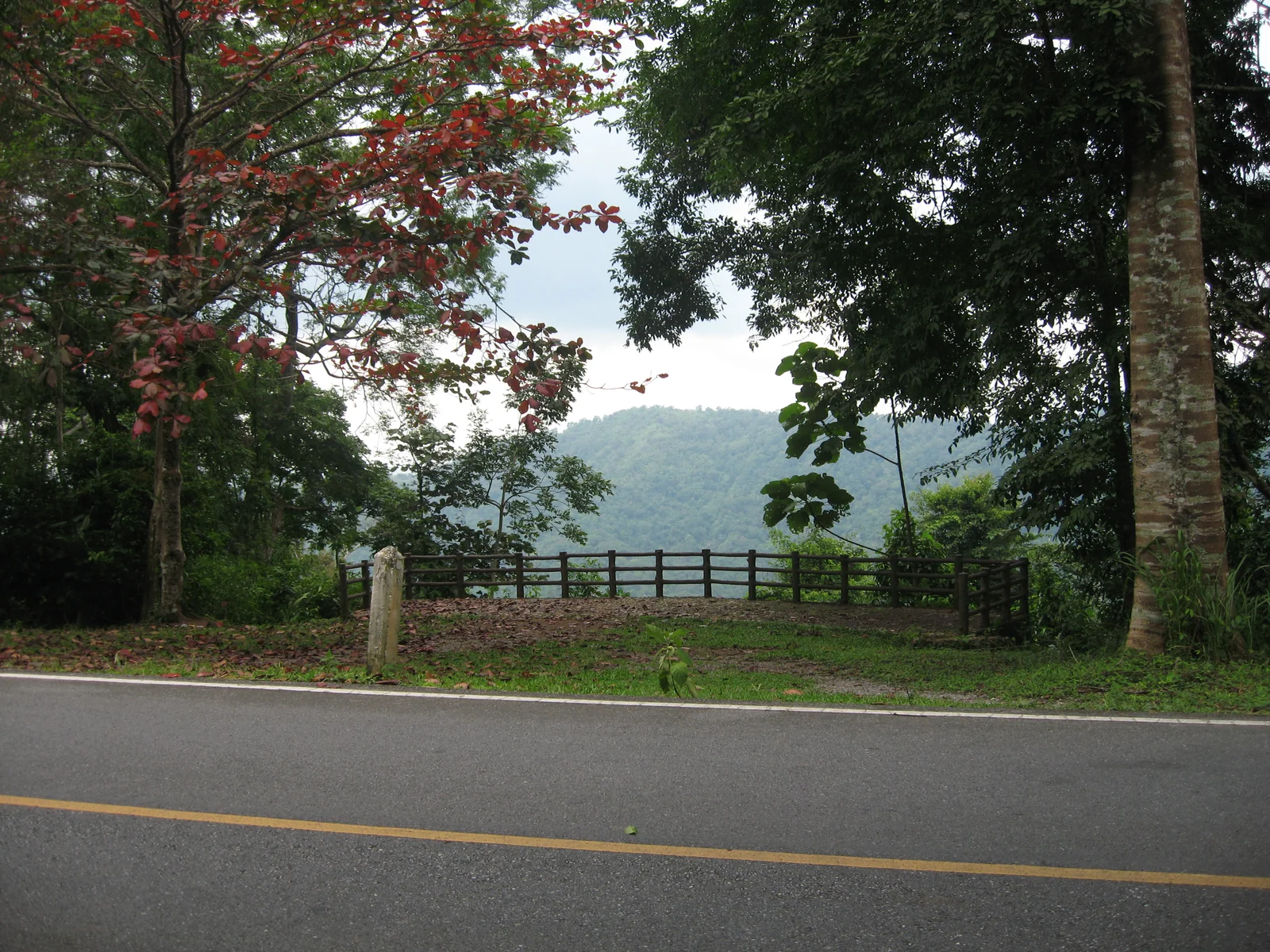 Photographer: ::::=UT=::::. Source: Wikimedia Commons. License: CC BY-SA 3.0.
Khao Yai National Park at a glance
- Park size: 2,168 km² across Nakhon Ratchasima, Saraburi, Nakhon Nayok, and Prachinburi provinces.
- Established: 1962, Thailand’s first national park. UNESCO World Heritage 2005.
- Entry fee: $12 adult foreigner, $6 child. Thai citizens pay about $1.
- Distance from Bangkok: ~180 km northeast, 2.5 to 3 hours by car via Highway 2 and Thanarat Road.
- Gateway town: Pak Chong (Nakhon Ratchasima side), the north entrance most travelers use.
- Best months: November to February, cool and dry. May to October brings the monsoon with thicker waterfalls and harder driving.
- Headline wildlife: wild Asian elephants (~300 in the park), gibbons, great hornbills, sambar deer, civets after dark.
Getting from Bangkok to the north gate
The drive is the easy answer. Take Highway 1 to the Mittraphap Highway 2, exit at Pak Chong, then turn south on Thanarat Road (Highway 2090). The road climbs through fruit stalls, alpaca farms, and the strip of cafés that Bangkok weekenders call “Khao Yai food street” before reaching the park gate. From central Bangkok the drive runs 2.5 hours off-peak. It stretches to 3 or 3.5 hours on a Friday evening or a long weekend Saturday morning.
If you do not want to rent a car, the route splits into two legs. First leg is Bangkok to Pak Chong town. Second leg is Pak Chong town to the park gate. The fares break out as:
- Minivan from Mo Chit: 2 hours, $5, every 30 minutes.
- Train from Krung Thep Aphiwat: 3 hours, $2 to $6 second class, 5 daily.
- Pak Chong songthaew to the gate: $1.50 per person, leaves when full.
- Pak Chong private pickup (half day): $45, includes the loop road.
Park your car at the gate, then move to a hired pickup with an open back for the inside-park loop road. The animals come out of the trees more often when you are not boxed inside a sedan. Half-day pickup rates from Pak Chong run $45 and include the climb to Khao Khiao viewpoint.
See live ground transport rates and times for the Bangkok to Pak Chong leg.
Wildlife you can track, elephants, gibbons, hornbills
The park’s elephant population was last counted at around 300. A herd of 15 to 20 crosses the road near the visitor center most evenings between 17:30 and 18:30. Visitors who go at dusk describe the same pattern. The calves move first, a matriarch holds the road for several minutes, and a ranger in a pickup blocks the carline until the herd is through. Rangers enforce a firm protocol. No flash photography, engine off, and never leave the vehicle.
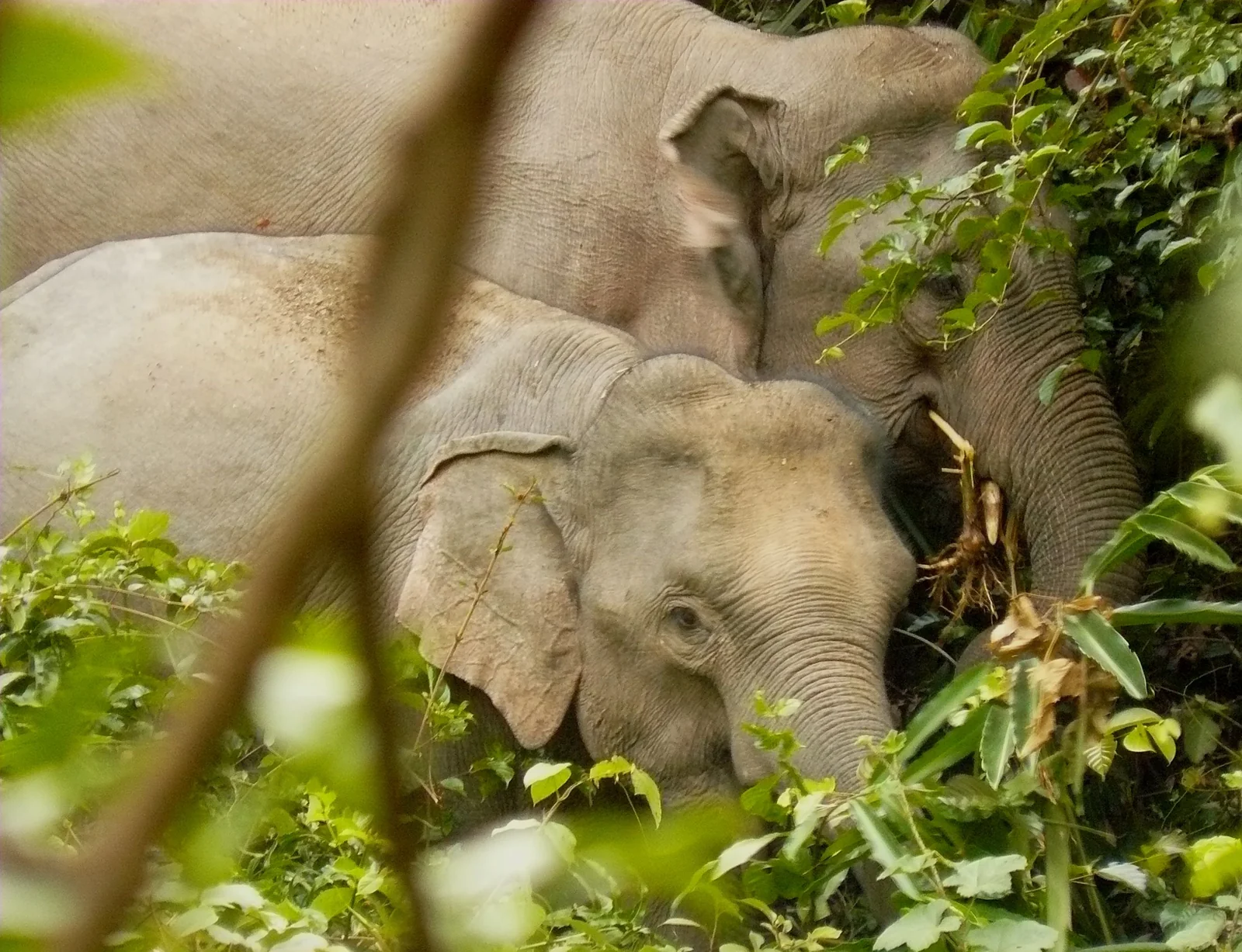 Photographer: Mammalwatcher. Source: Wikimedia Commons. License: CC0.
Gibbons are the dawn species. White-handed and pileated gibbons are common, and the loop trail behind Pha Kluai Mai campground is the easiest place to hear them at 06:00. Great hornbills, oriental pied hornbills, and wreathed hornbills nest in the kapok trees around kilometer 33 and along the road to Khao Khiao viewpoint. Bring binoculars. The birds are 25 meters up, and the binoculars do more than a telephoto lens at that distance.
Night safari is a separate booking made at the visitor center. It departs at 19:00 and 20:00 and costs $15 per truck regardless of party size. Spot-lit civets, sambar, and the occasional porcupine are the typical sightings. Tigers are reintroduced in small numbers in the wider forest complex but functionally never seen by visitors.
Five Khao Yai waterfalls worth the walk
Khao Yai has more than fifteen named falls, but five do most of the work for a first visit. We have listed them in the order a single day driver should take them.
 Waterfall
★ 9.0
Waterfall
★ 9.0
Haew Suwat Waterfall
The 25-meter cliff Leonardo DiCaprio jumped off in The Beach (2000). Year-round flow. Easy 400-meter walk from the carpark. The last 50 meters of stairs are steep when wet.
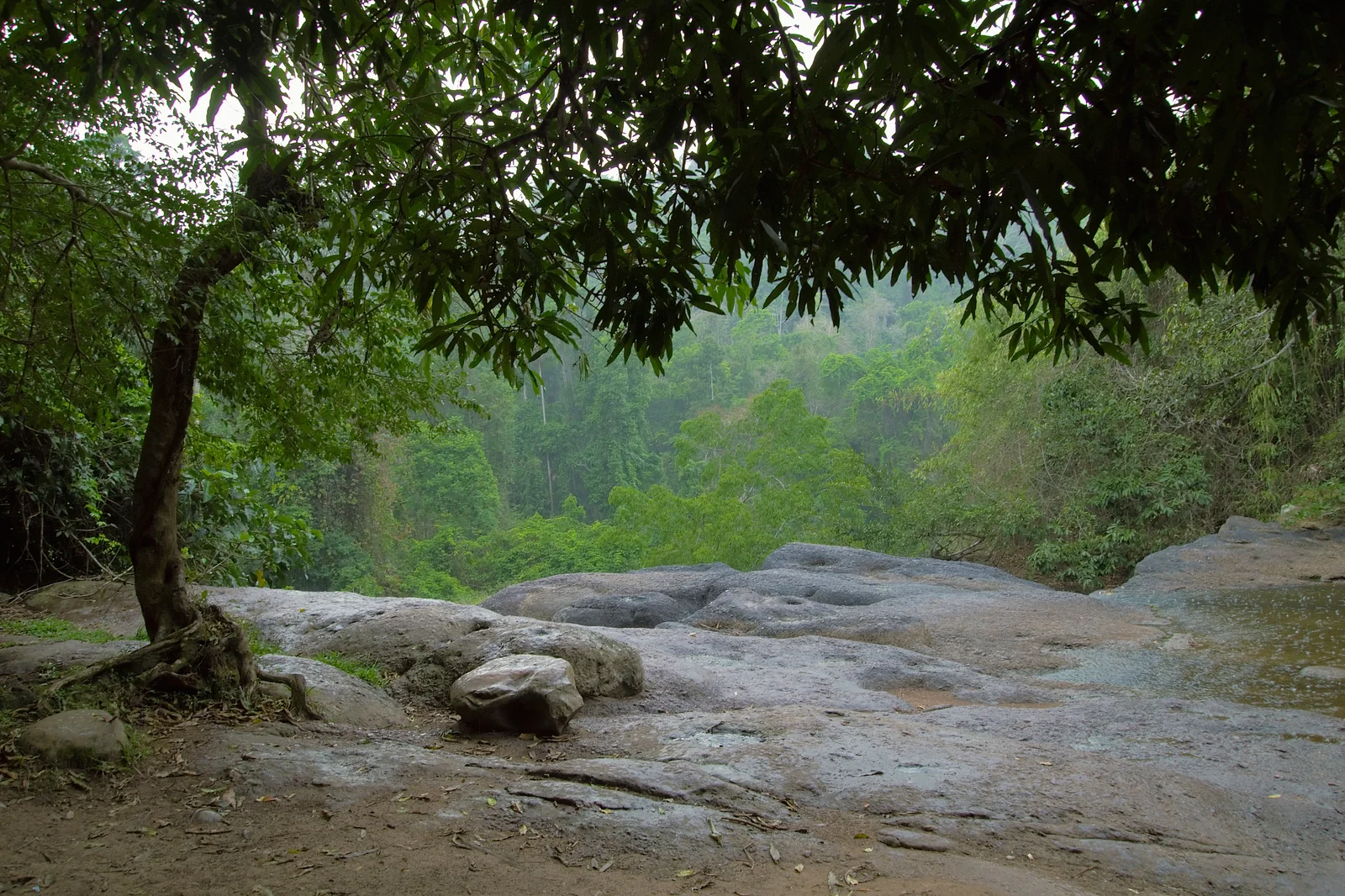 Photographer: Vyacheslav Argenberg. Source: Wikimedia Commons. License: CC BY 4.0.
 Waterfall
★ 9.5
Waterfall
★ 9.5
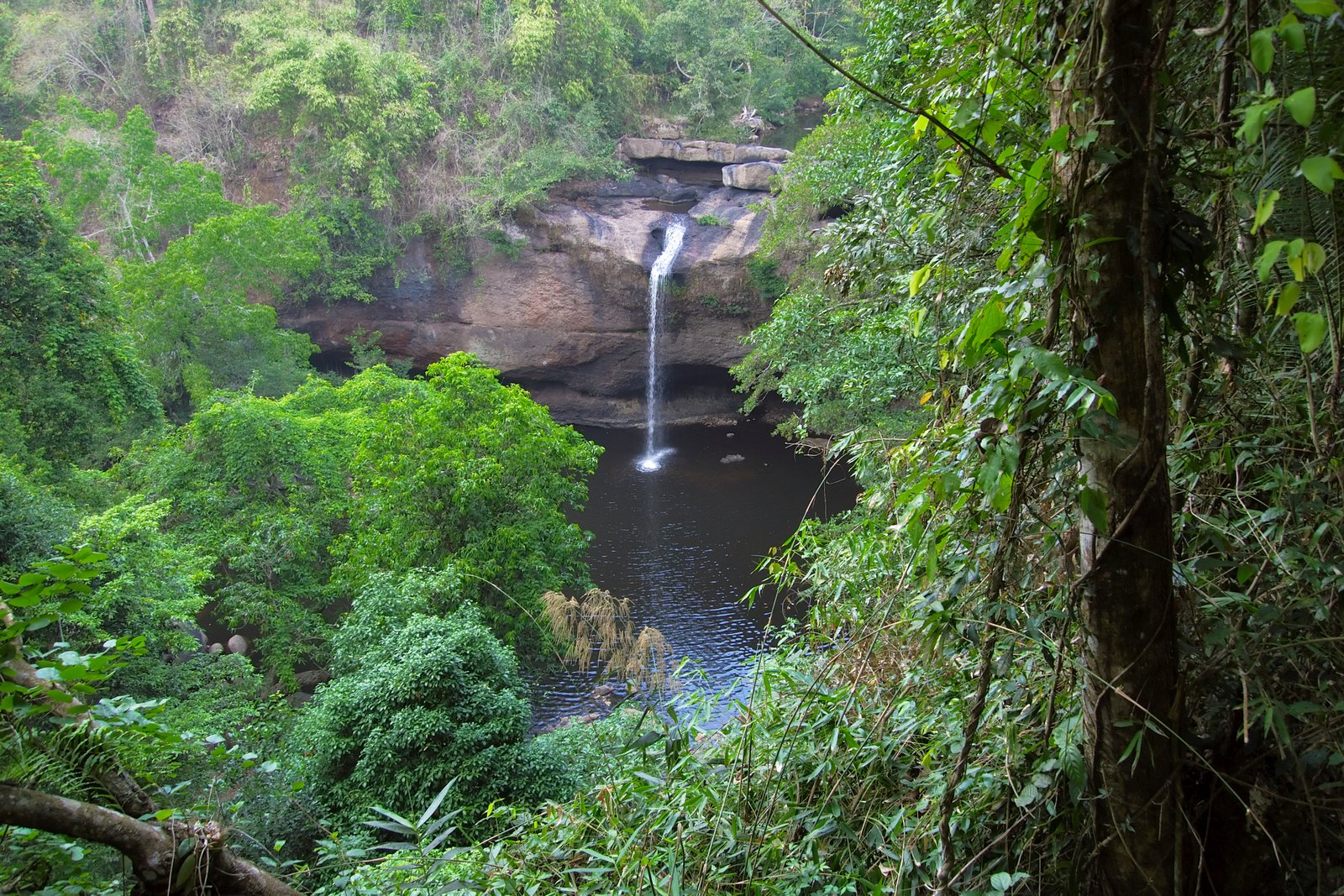
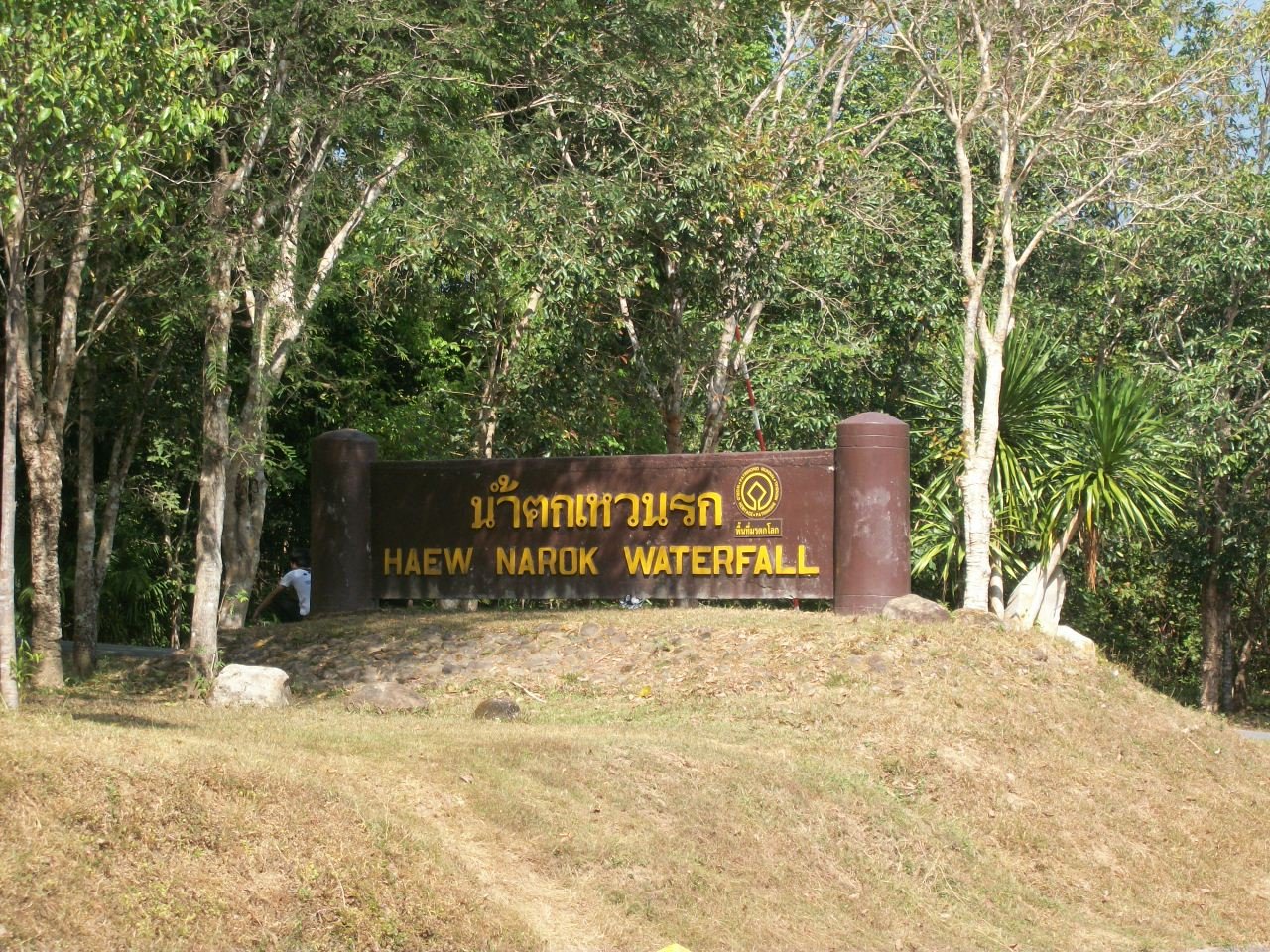
Haew Narok Waterfall
Three tiers, top drop 60 meters, total fall around 150 meters. The viewing deck closes during peak elephant season (Jul to Sep) after wild elephants have been killed slipping over the falls in flash floods.
 Cliff viewpoint
★ 8.5
Cliff viewpoint
★ 8.5
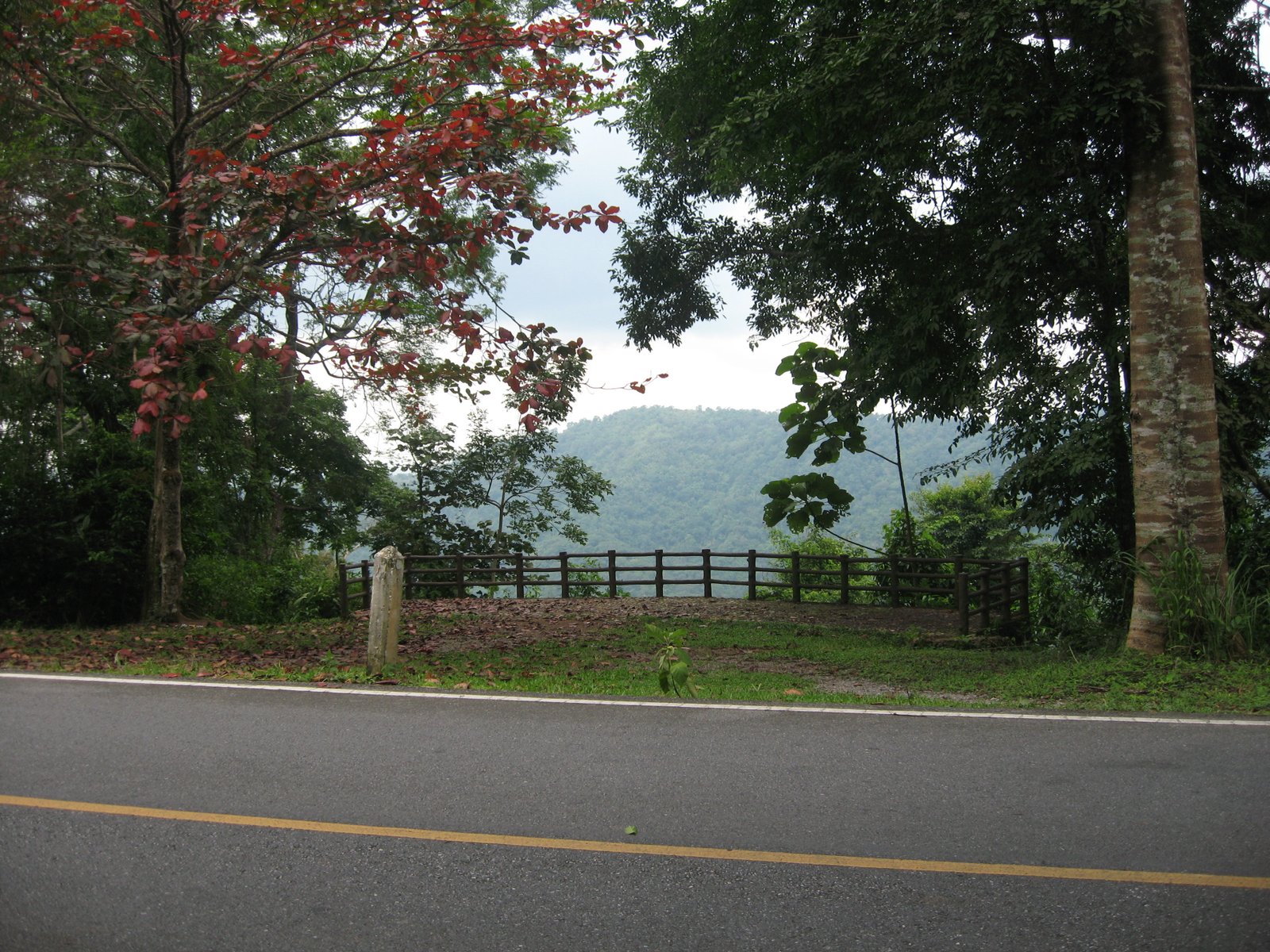
Pha Diew Die Cliff
Not a waterfall but the most striking cliff edge in the park. A 1.5-kilometer trail through dipterocarp forest ends at a 500-meter drop into the next valley. Ranger escort required, book at visitor center.
 Tiered falls
★ 7.8
Tiered falls
★ 7.8
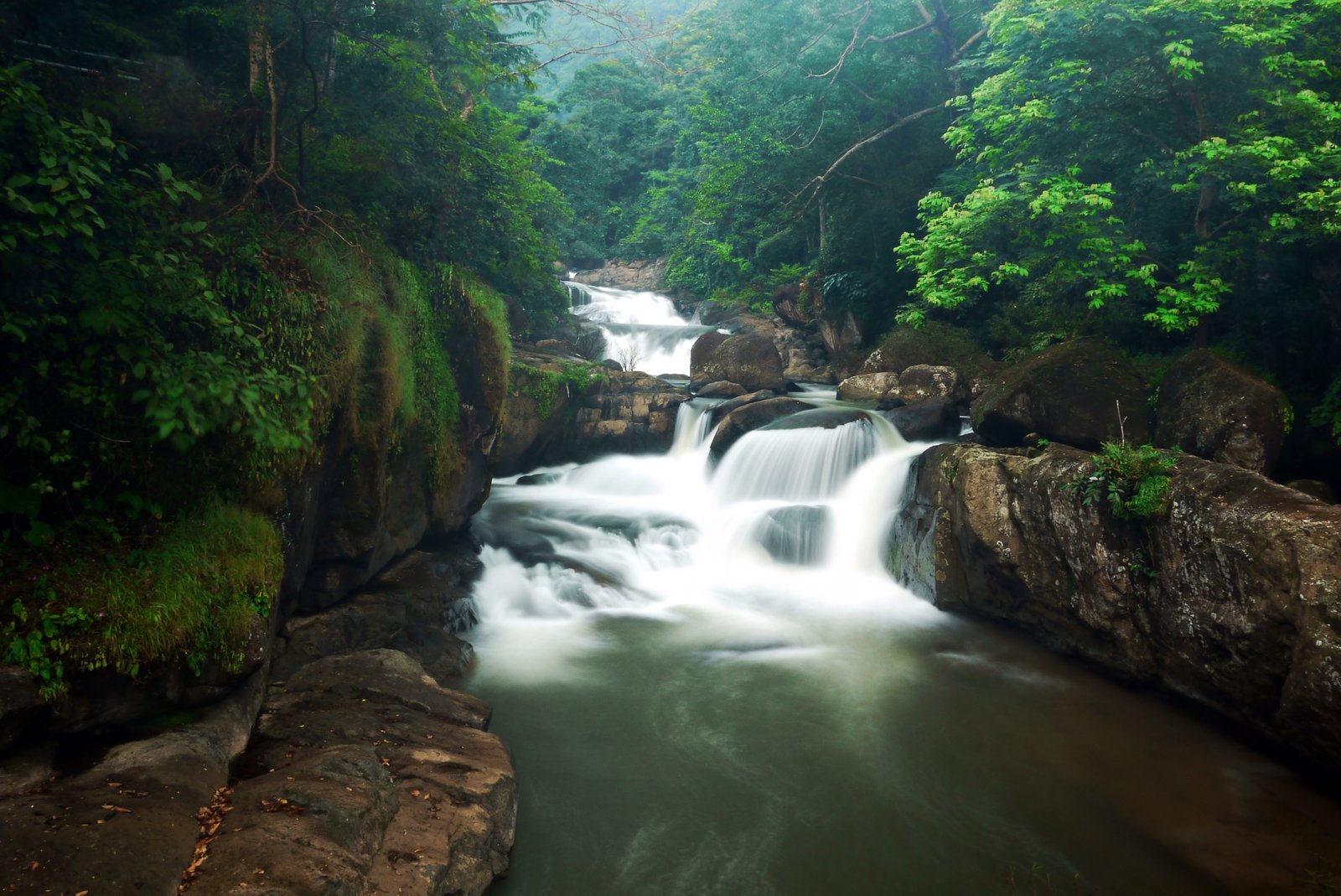
Sarika Waterfall
Nine tiers running down a steep gorge, accessible via a paved path with handrails on the lower tiers. Crowded on Sunday afternoons with Bangkok visitors who come for the swimming holes.
 Single drop
★ 7.5
Single drop
★ 7.5
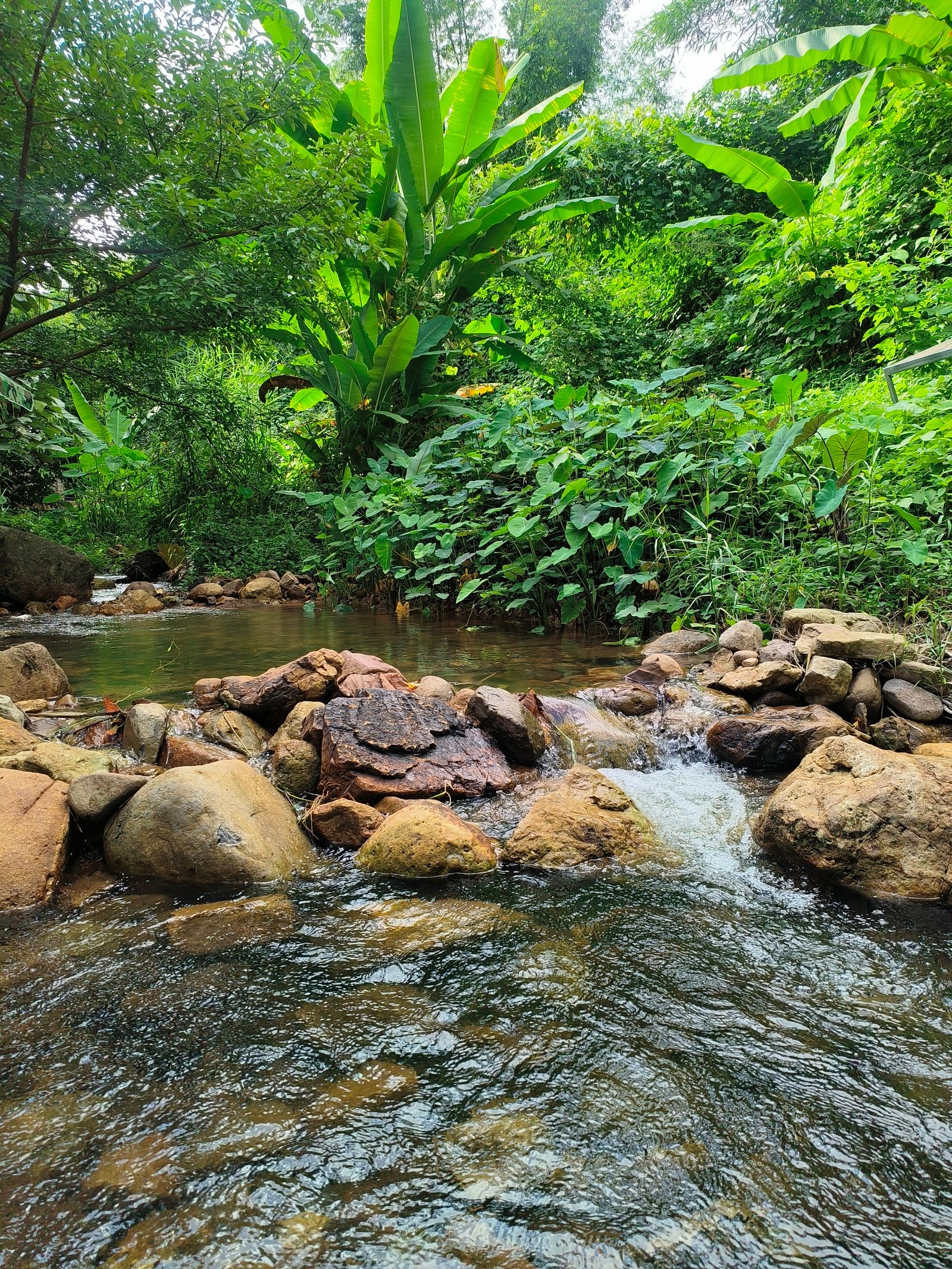
Nang Rong Waterfall
A 60-meter single drop fall on the western edge of the protected complex. Far fewer visitors than Sarika because the road in is rougher. Lower pool is swimmable in cool season.
Asoke Valley wineries to pair with the park
Khao Yai sits at the top of the Asoke Valley, which is one of two regions in Thailand where commercial wine grapes ripen well. The altitude of around 350 meters above sea level, the well-drained limestone soils, and a long dry winter from November to March have produced a real wine industry over the last 25 years. The two visitor-facing estates are GranMonte and PB Valley, both about a 20-minute drive from the park gate.
GranMonte was founded in 1999 by the Lohitnavy family on the Asoke Valley floor. The flagship is the Syrah, but the Chenin Blanc and a Viognier blend get the most repeat sales from Bangkok buyers. The on-site bistro VinCotto does a decent grilled lamb if you want lunch after the morning park drive.
PB Valley is the older estate, founded in 1989 by Dr. Piya Bhirombhakdi of the Singha family. The vineyards are larger and the tastings are cheaper than GranMonte. The Tempranillo, the Shiraz, and a Chenin Blanc are the wines worth ordering. Both estates sell direct from the tasting room and the prices break out as:
- PB Valley four-wine flight: $10, no reservation needed.
- GranMonte four-wine flight plus vineyard tour: $18, book online.
- Bottle takeaway from either estate: $24 to $72 depending on label.
The drive from the park gate to the Asoke Valley wineries is 20 to 30 minutes by road. Plan it as a morning park drive, late lunch at the winery, then back to your lodge. Do not try to drive the loop road inside the park after a wine tasting. The road has steep blind corners and elephant crossings.
Where we would stay for a two night stop
Khao Yai’s accommodation map covers four lanes. Forest pool villas, ranch resorts, hill country boutiques, and roadside Bangkok weekender hotels each pull a different traveler. Returning visitors tend to sort themselves by how much park time they want against how much resort time. The picks below sit at the prose level so you can shape the trip around the kind of stay you are after.
- Forest pool villa, splurge: Muthi Maya Forest Pool Villa Resort, ten freestanding villas tucked into a dipterocarp slope on the Kirimaya estate. Rates start around $400 a night in cool season.
- Ranch with horseback access, mid luxury: Kirimaya Golf Resort Spa, where the Jack Nicklaus golf course is the draw if you want a day away from the park. Rooms from $180.
- Hill country boutique, mid range: Sala Khaoyai or Atta Lakeside Resort Suites for around $120 to $180, both at the top of Thanarat Road within 10 minutes of the park gate.
- Roadside Bangkok weekender: InterContinental Khao Yai Resort, the most polished of the international brands on the strip. From $230 a night, train themed villas, a pool, and a kids program.
For a single day trip from Bangkok where you sleep in the city both nights, our Bangkok SHA hotels picks cover the base options near Suvarnabhumi for an early morning drive.
What to watch for on a first Khao Yai trip
The park is well run. The friction points are mostly about season and traffic, not about safety. We have flagged five that catch first visitors out.
- Long weekend bottleneck: Thanarat Road queues for 90 minutes on Saturday mornings of any long public holiday weekend. The fix is to arrive Friday evening or drive in by 07:00 Saturday.
- Monsoon road closures: July to October the loop road around Haew Narok closes after heavy rain. Check the DNP Khao Yai Facebook page the morning of your drive for closures.
- Unofficial “elephant crossing” guides: Independent guides at the gate occasionally offer “guaranteed elephant sightings” for $57. The ranger led night safari at the visitor center costs $14 and is the official version.
- Dress code at temple stops: Wat Tham Sila on the Nakhon Nayok side requires covered shoulders and bottoms below the knee. Pack a scarf if you intend to stop on the way back.
- Cell signal gaps: AIS and True both drop signal inside the loop road past kilometer 25. Screenshot the trail maps before you enter.
If you only have eight hours in the park, prioritize the morning. Wildlife is active 06:00 to 09:30 and again 16:30 to 18:30. The middle of the day is for the wineries, lunch, or the Khao Yai Art Museum at the foot of Thanarat Road.
Practicalities for a two day Khao Yai trip
A two day Khao Yai trip from Bangkok works best as a Friday evening drive, a full Saturday in the park, a Sunday morning at a winery, and a midday drive back. To slot this stop into a longer route, see our Thailand itinerary. The links below are the pieces we use when planning the trip.
- Compare ground transport from Bangkok to Pak Chong for fares across minivan, train, and private car.
- Book a guided Khao Yai day tour with elephant tracking if you do not want to drive the inside park loop yourself.
- Find half-day walking and birding experiences in the park with a licensed ranger.
- Compare car rental rates in Bangkok if you want flexibility for the Asoke Valley wineries.
- Cover the trip with a Thailand travel insurance policy that handles minor falls, motorbike injury, and helicopter evacuation.
- Reach the Khao Yai area accommodation map for live nightly rates across lodges and pool villas.
Frequently asked questions
How long should I spend at Khao Yai National Park?
When is the best time to visit Khao Yai?
Can I see wild elephants in Khao Yai?
How much is the entry fee for foreigners?
Is Khao Yai a good day trip from Bangkok?
Are the Khao Yai wineries worth visiting?
The hornbills are still calling at 17:00 when most visitors leave through the north gate. The matriarch has moved her herd back into the trees an hour earlier. Two pickups wait to do the night safari, and a great hornbill flies across the road with a fig in its bill. Khao Yai will not feel manicured the way other national parks do. The road is rough, the rangers are firm, and the wildlife is on its own schedule. That is exactly the point of going.