Ride a songthaew up Doi Suthep and the air drops ten degrees in twenty minutes while the bougainvillea gets brighter the higher you climb. By the top, the temple is selling lottery tickets next to the dragon staircase and an old woman is scolding her grandson for putting his shoes on the wrong way. Chiang Mai hands you the postcard, then keeps going.
This is the city most Thailand itineraries treat as a long weekend before flying south. Three days. A cooking class, a temple, an elephant. It works in the city’s favor that the short list ends quickly. It works against the city that almost no one stays long enough to find the version of Chiang Mai that takes longer to say.
What follows are ten ways to spend your time here that hold up to repeat visits. If you have three days, the temples, one cooking class, and one big day trip are the spine. If you have four, the city starts to open up. Some of these are famous and earn the fame. Some are crowded and worth it anyway. One or two ask you to pick a side on tourism ethics. None of them are hidden, and most of the day trips are easiest to arrange with a small-group guide.
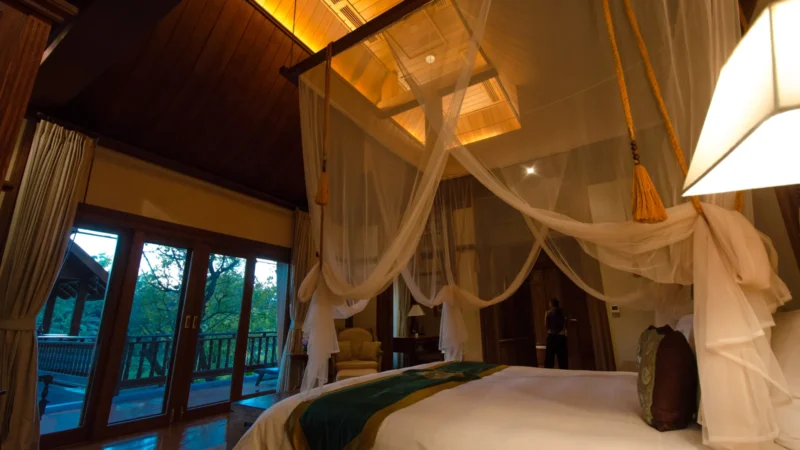
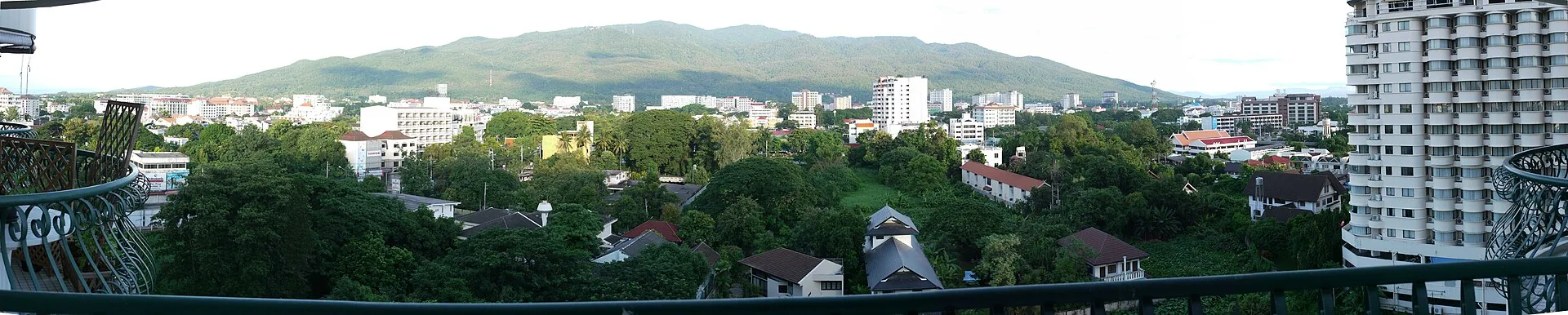
Where to base yourself. Stay inside the Old City moat and the major temples, the Sunday Walking Street, and the songthaew stand for Doi Suthep all sit within a walk. Nimmanhaemin (Nimman) puts you near the coffee shops and the airport. Mae Rim, 20 to 30 minutes north, is the quiet resort belt. Pick the Old City for a short first trip. See live rates across all three areas before you lock the dates.
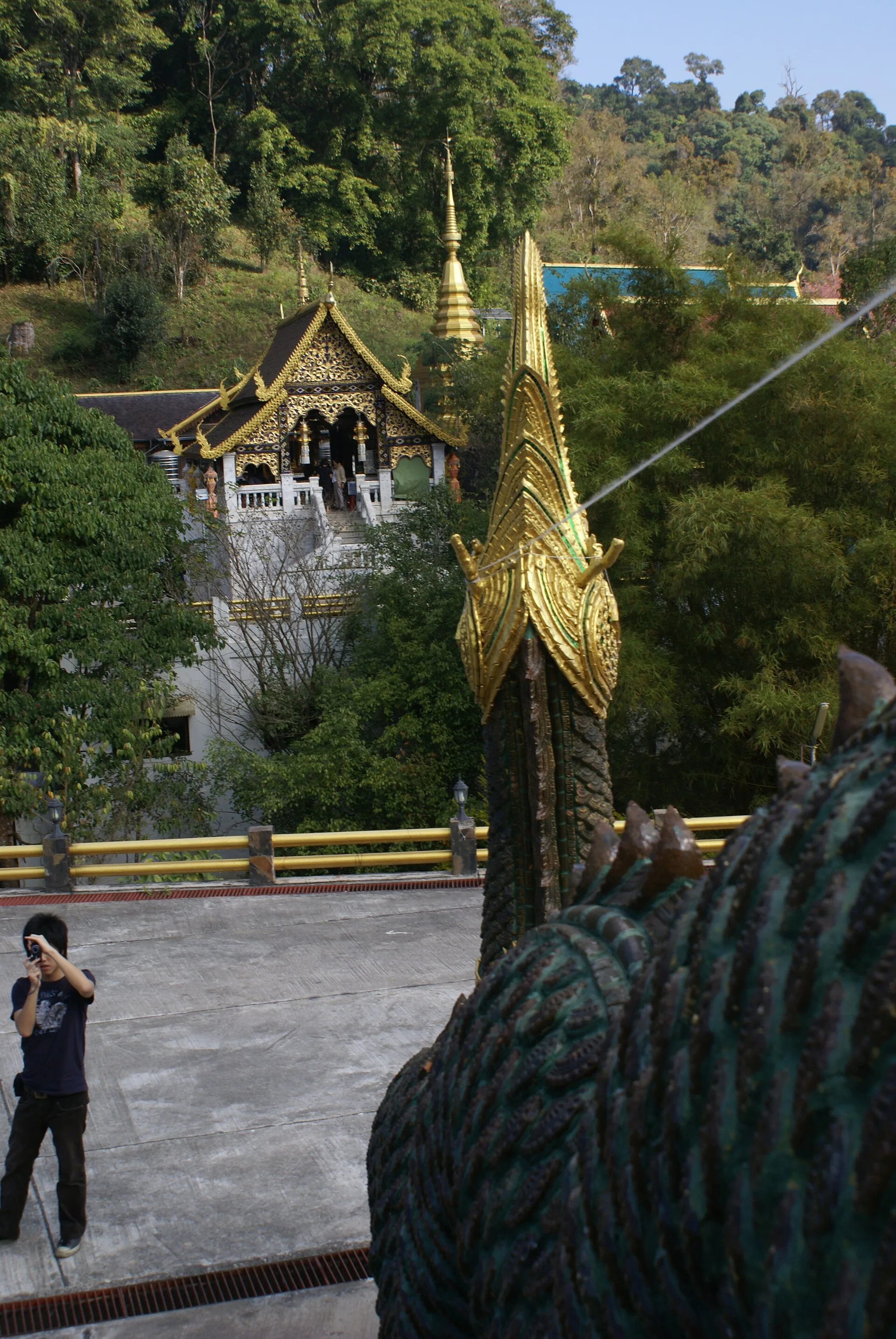
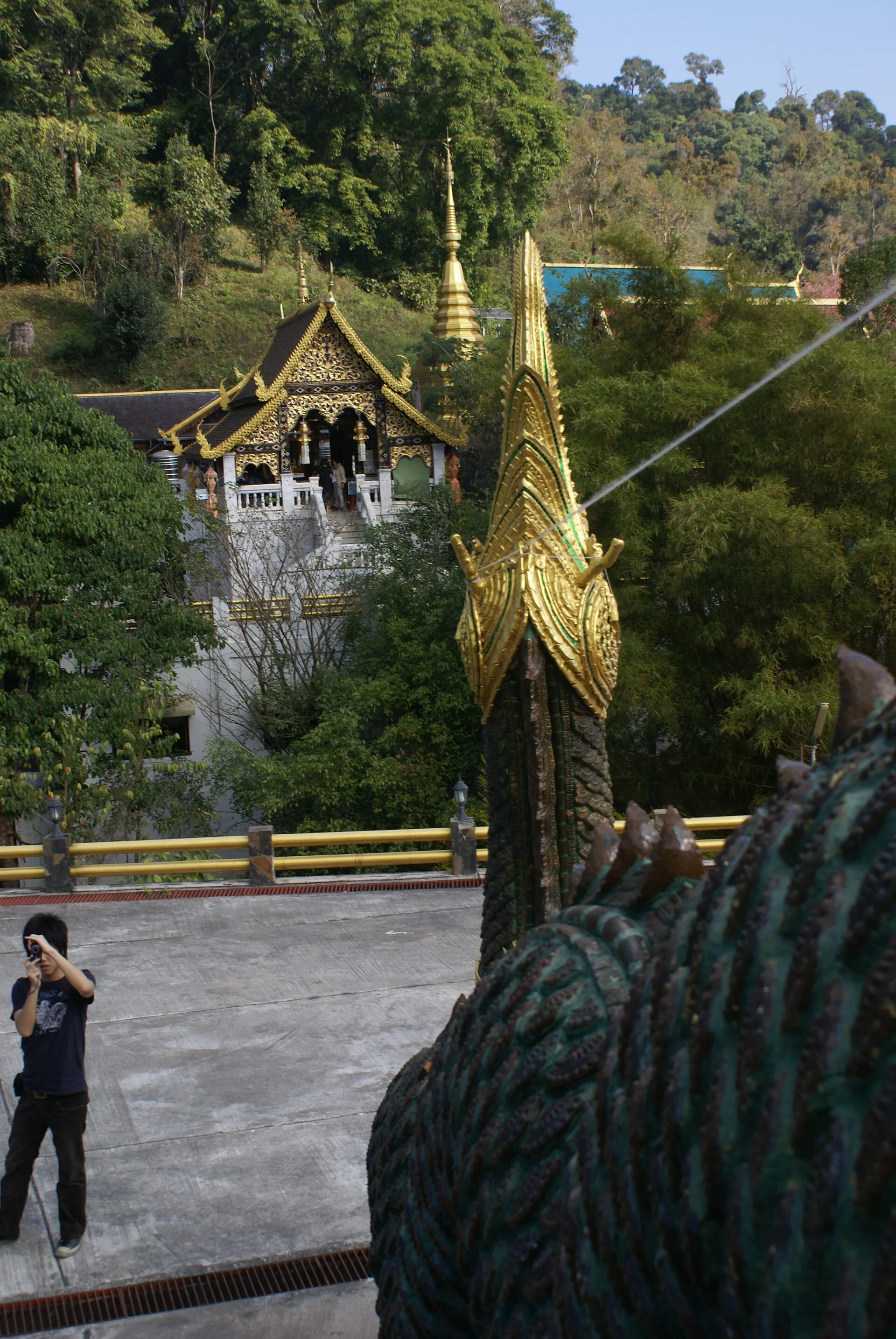
Wat Phra That Doi Suthep, in the late afternoon light
 PLACE
PLACE
Wat Phra That Doi Suthep (วัดพระธาตุดอยสุเทพ)
The temple is the most visited site in northern Thailand and the iconic image of Chiang Mai. A 309-step naga staircase or a small cable car gets you to the chedi at the top. Late afternoon is the kindest light for the gold and the most forgiving temperature for the climb. The crowds are thinnest before 9am and after 4pm; the midday hours are when tour buses stack up at the parking lot.
Songthaews leave from in front of the zoo at the western edge of the Old City. The round-trip fare runs $4-5 if the truck is full, more if you’re chartering. Most drivers wait at the temple for two hours, then bring everyone back. If the driver tries to take you to the Hmong village first, that’s a normal upsell. You can decline politely and ask to go straight to the temple.
Shoulders and knees covered, shoes off at the inner platform. You’ll walk a clockwise circuit around the central chedi. The view of the city from the platform on the south side is the part most people remember.
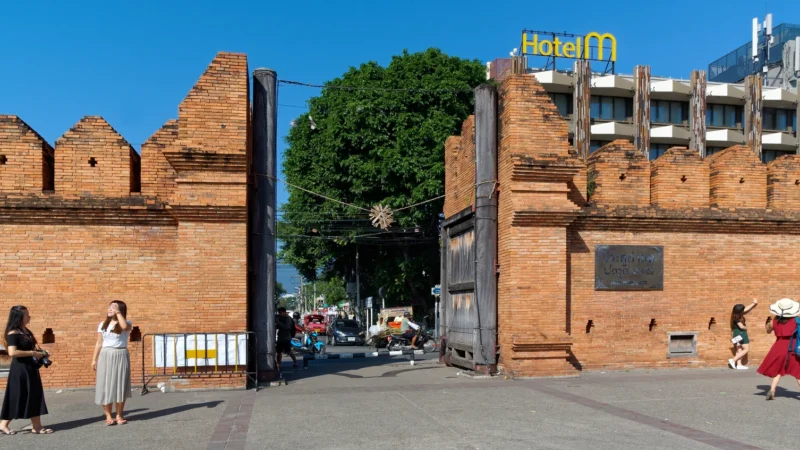
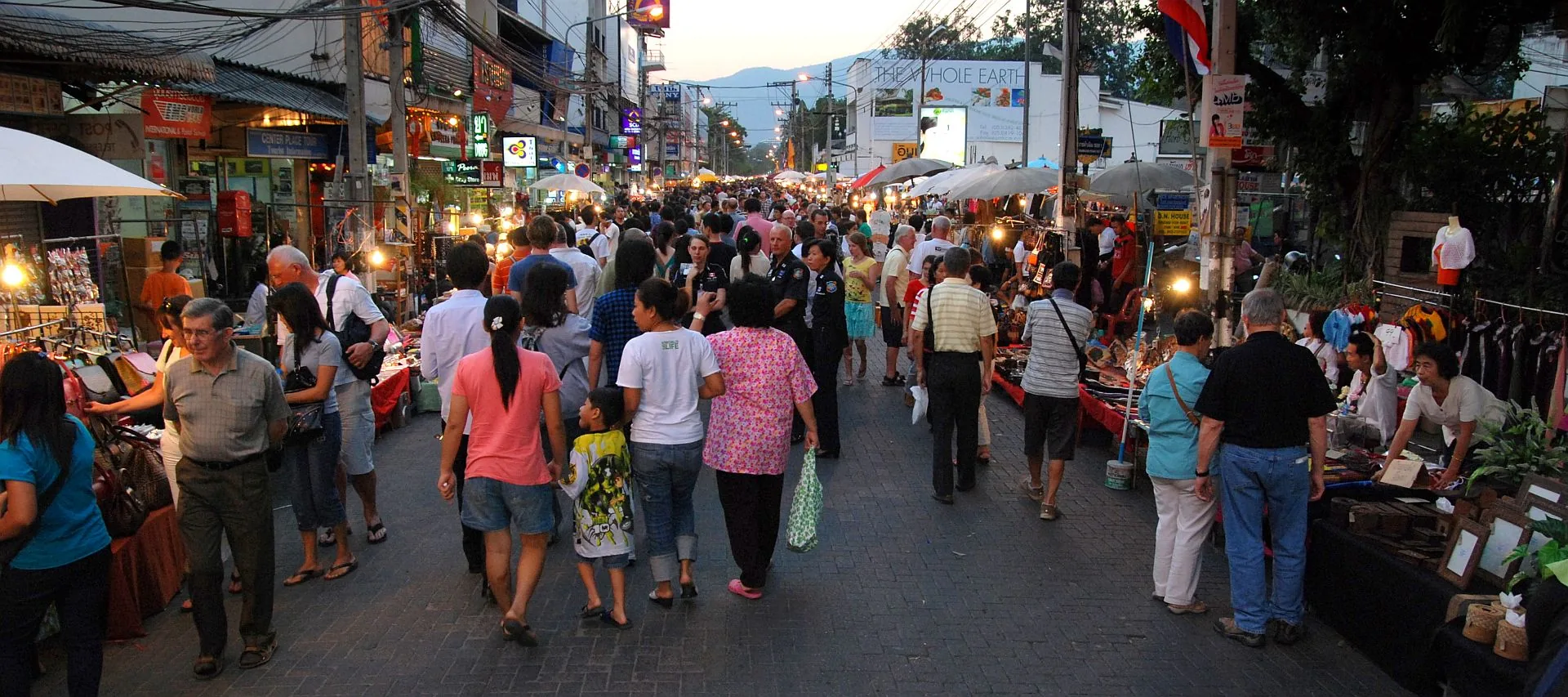
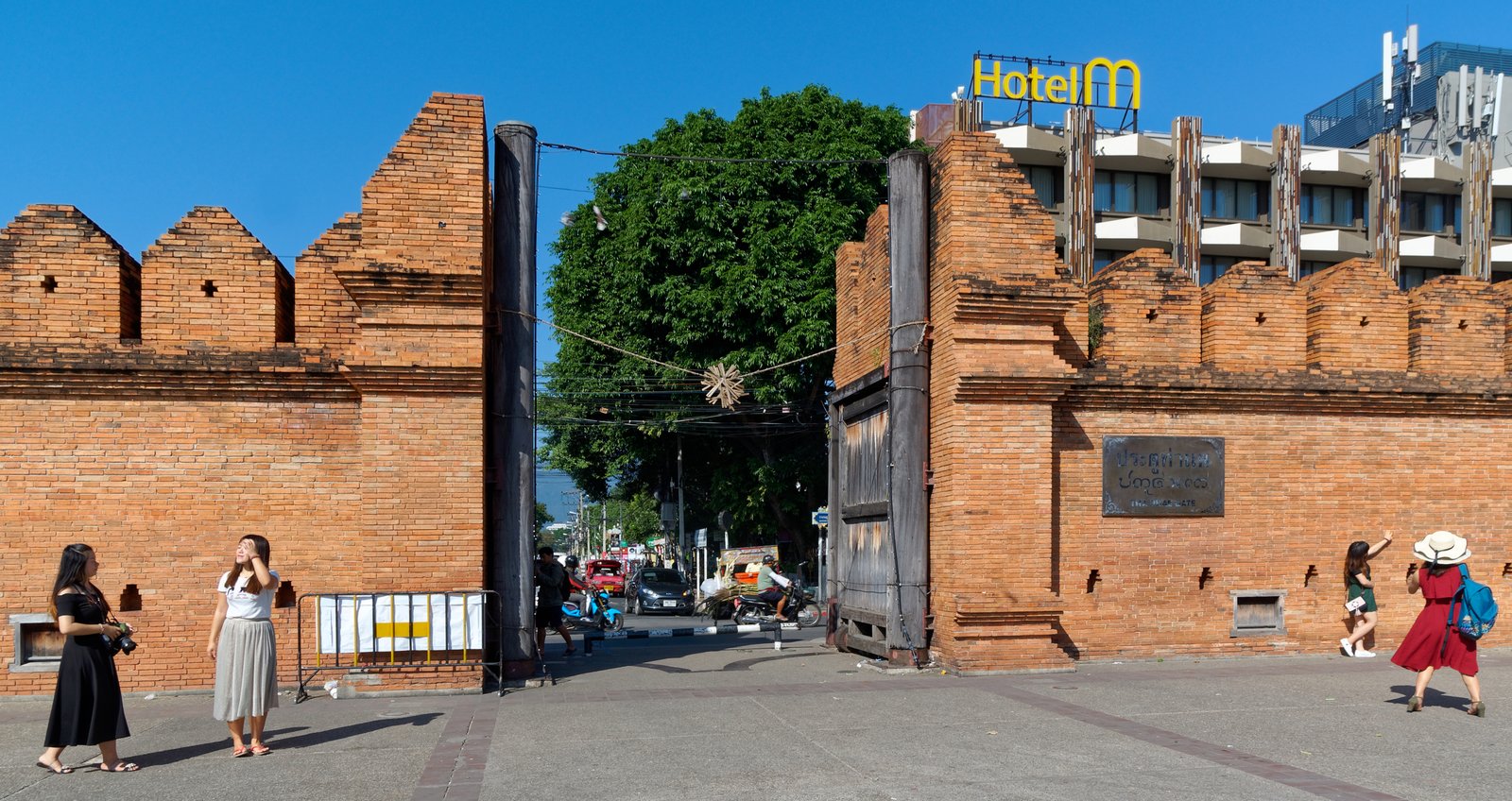
Sunday Walking Street, from Tha Phae Gate inward
 FOOD
FOOD
Sunday Walking Street (Tha Phae) (ถนนคนเดินวันอาทิตย์)
Starts at Tha Phae Gate every Sunday around 4pm and runs until 10pm or whenever the police start nudging vendors to pack up. The crafts at the eastern end are the most photogenic; the food courts inside the temple grounds along the way are where you actually want to eat. Look for the temple yards a block off the main street: that's where the khanom jeen and kuay tiao stalls set up, with low plastic stools and shorter queues.
Saturday has its own walking street on Wualai Road, smaller and more silverwork-focused. If your travel dates miss the Sunday version, Saturday is the substitute, not a lesser thing. The night bazaar on Chang Khlan Road runs every night but is more touristic and the crafts skew lower-quality.
Cash is king. Most vendors take Thai QR pay if you have a Thai bank app, but cash spares everyone the dance.
A cooking class, but the one on a working farm
 FOOD
FOOD
Thai cooking class (full-day with farm visit) (คลาสทำอาหารไทย)
The good schools start at a fresh market for a half-hour ingredient walk, then drive 30 minutes out of the city to a small farm where you pick the herbs and chilies you're cooking with. You'll make four to six dishes: typically a curry paste from scratch, a soup, a stir-fry, and a dessert. Thai Farm Cooking School and Asia Scenic are the two with the longest track records. Vegetarian and halal substitutes are routine if you ask when booking.
Half-day options exist for half the price but skip the market and the farm, which is the part you remember. If you can give the day, give the day.
What surprises most first-timers is how much pounding is involved. The mortar and pestle is the centerpiece of Thai cooking, not the wok. Your forearm will know about it the next morning.
Elephant Nature Park, and the ethics question you actually have to answer
 PLACE
PLACE
Elephant Nature Park (no-riding sanctuary) (อุทยานช้าง)
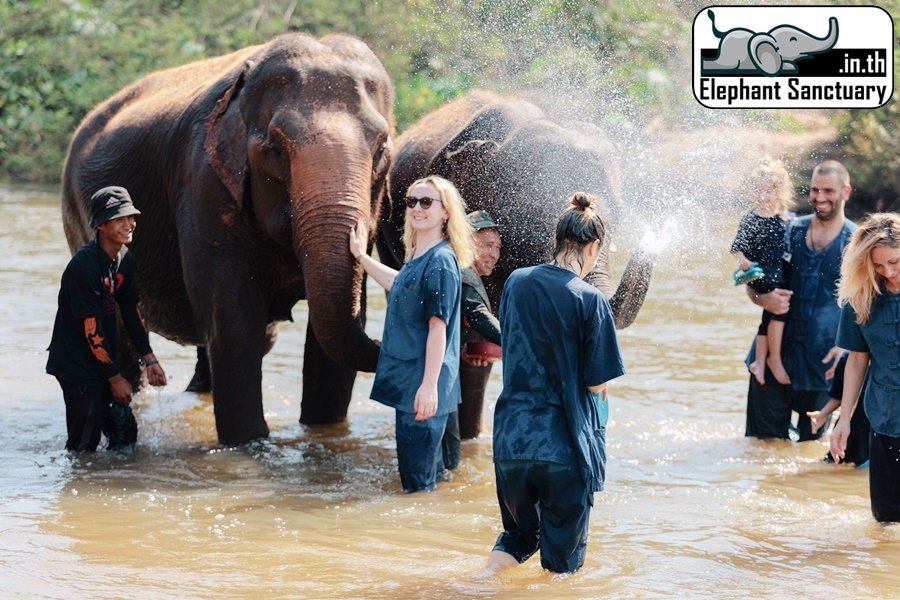
Founded by Lek Chailert in the 1990s as a rescue and rehabilitation center for elephants from logging and tourist-riding camps. Visits are full-day. You feed and walk alongside the herd, you don't ride them and you don't bathe them. The park is roughly 60km north of Chiang Mai in the Mae Taeng valley; pickup and drop-off are included. Booking opens about three weeks ahead and the popular dates sell out.
The honest part. Welfare groups describe elephant tourism in Thailand as a spectrum rather than a clean yes or no. Some sanctuaries that allow bathing have drawn criticism from animal-welfare reporters in the past five years, on the view that bathing is still a routine the animal has been trained to perform. Camps that allow riding sit further down the same spectrum in those same assessments. Elephant Nature Park is widely cited at the strictest, no-contact-required end and has been the model many others followed. If a sanctuary lists bathing or riding on its booking page, reviewers note it is offering a different kind of experience.
Other options the welfare community points to in the region include Boon Lott’s Elephant Sanctuary in Sukhothai and the project visits run by Save Elephant Foundation, the parent organization behind Elephant Nature Park. For wider reporting on the welfare debate around elephant tourism in Thailand, The Guardian’s Thailand travel coverage has tracked the shift toward no-riding sanctuaries, and National Geographic has reported on how to read a camp’s policies before you book.
Bua Tong Sticky Waterfalls, the one you can actually climb
 STAY
STAY
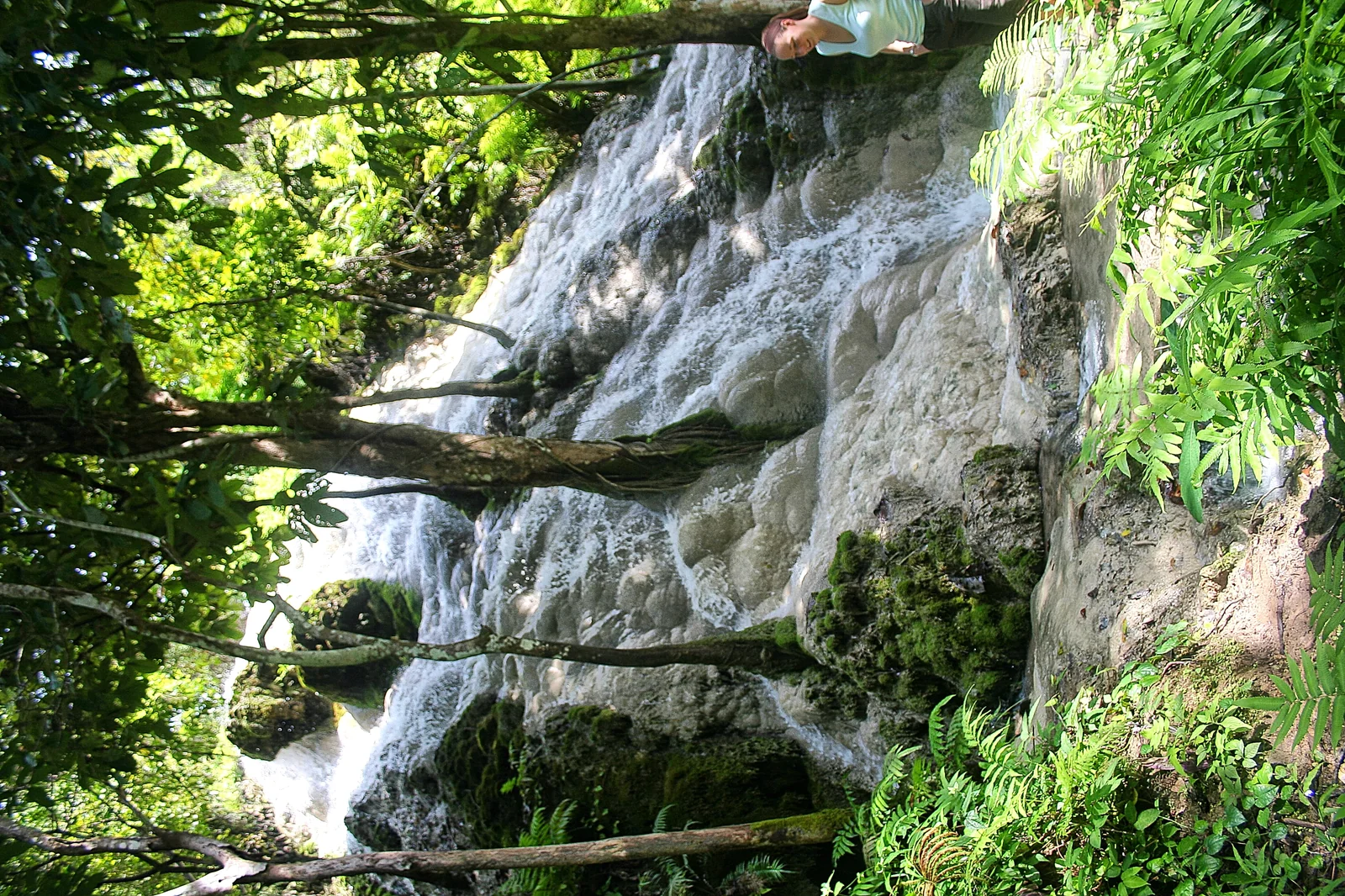
Bua Tong Sticky Waterfalls (น้ำตกบัวตอง)
Limestone deposits coat the rock under the water, giving it grip your feet can hold even on a steep slope. You can walk up the waterfall barefoot. Roughly 60km north of Chiang Mai, 90 minutes by car. Free entry but no public transport: a private driver or rental scooter is the only way unless you book a tour. Bring water and a swimsuit; the cliff-jumping pools at the top are quieter than the lower tiers.
The water is cold even in the hot season, which is the point. Mae Khachan Hot Springs is a 15-minute drive further north if you want to combine the cold falls with a soak. The combined trip works as a half-day if you leave Chiang Mai by 8am.
Doi Inthanon National Park, weather for the highlands
 PLACE
PLACE
Doi Inthanon National Park (ดอยอินทนนท์)
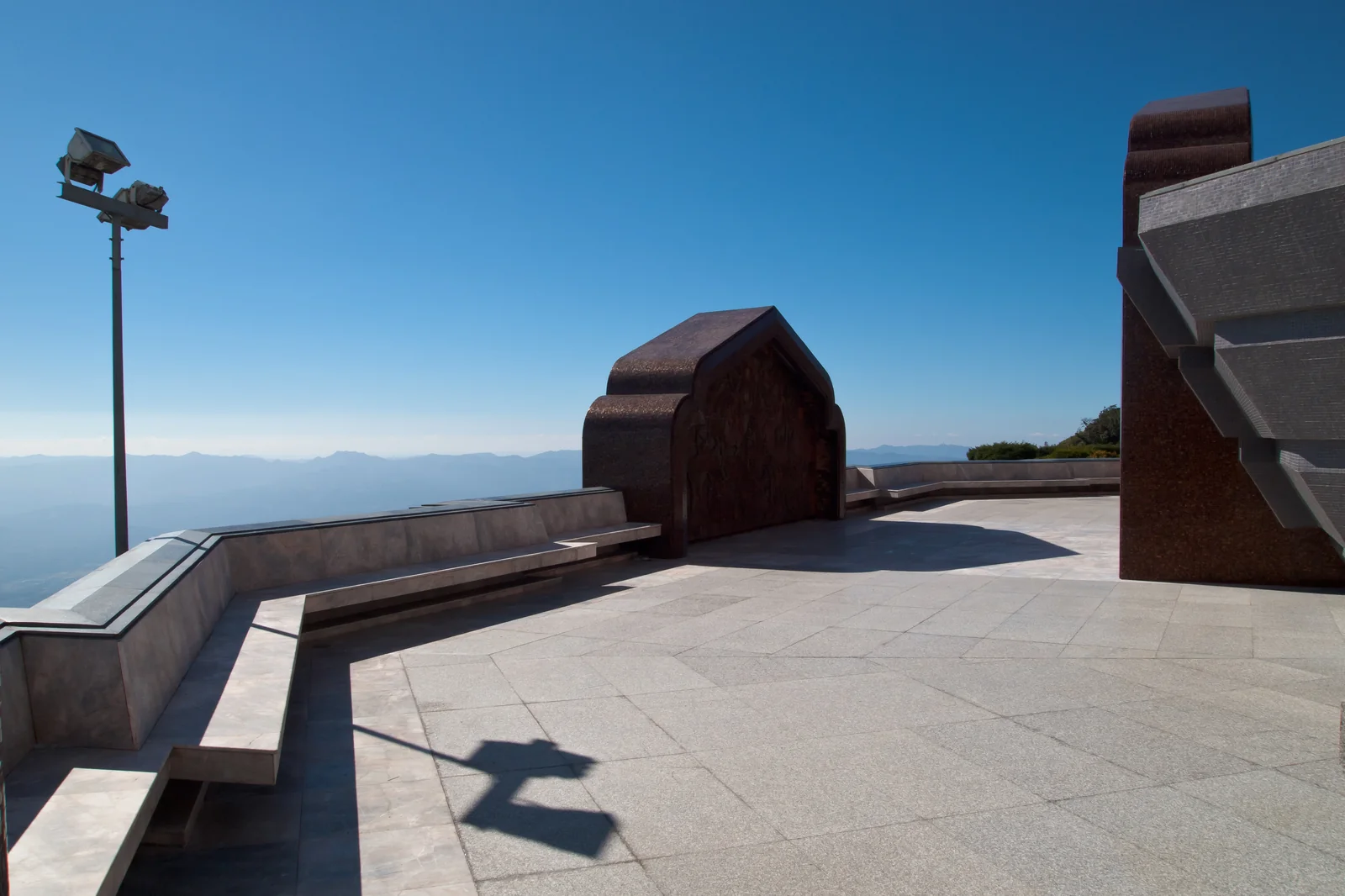
Thailand's highest peak at 2,565m. The summit itself is forested and views are limited, but the twin royal pagodas at the Phra Mahathat Naphamethanidon viewpoint, the Karen and Hmong villages on the slopes, and the Wachirathan and Mae Ya waterfalls are the day's real content. Bring a layer: the temperature at the top sits 10-15C below Chiang Mai city even at midday. Most travelers book a small-group tour rather than self-drive because the mountain roads are tight.
The cool season from November to February is when the highland villages grow flowers and strawberries you’ll see at the market stalls along the access roads. December mornings can drop near freezing at the top, which is rare enough in Thailand that local families drive up specifically to see frost. Lonely Planet’s Chiang Mai guide has long flagged Doi Inthanon as the standout day trip for travelers chasing the cool-climate side of northern Thailand.
Booking timing that actually matters. Three things sell out fast in the cool months. Elephant Nature Park goes three to four weeks ahead in November to February. The full-day farm cooking classes fill the small-group slots first. The reliable private drivers for Doi Inthanon take repeat clients, so the good ones are gone by the weekend. Lock these a week out at minimum, and book the elephant day before anything else.
Khao Soi at Khun Yai, the bowl most worth queueing for
 FOOD
FOOD
Khao Soi Khun Yai (ข้าวซอยคุณยาย)
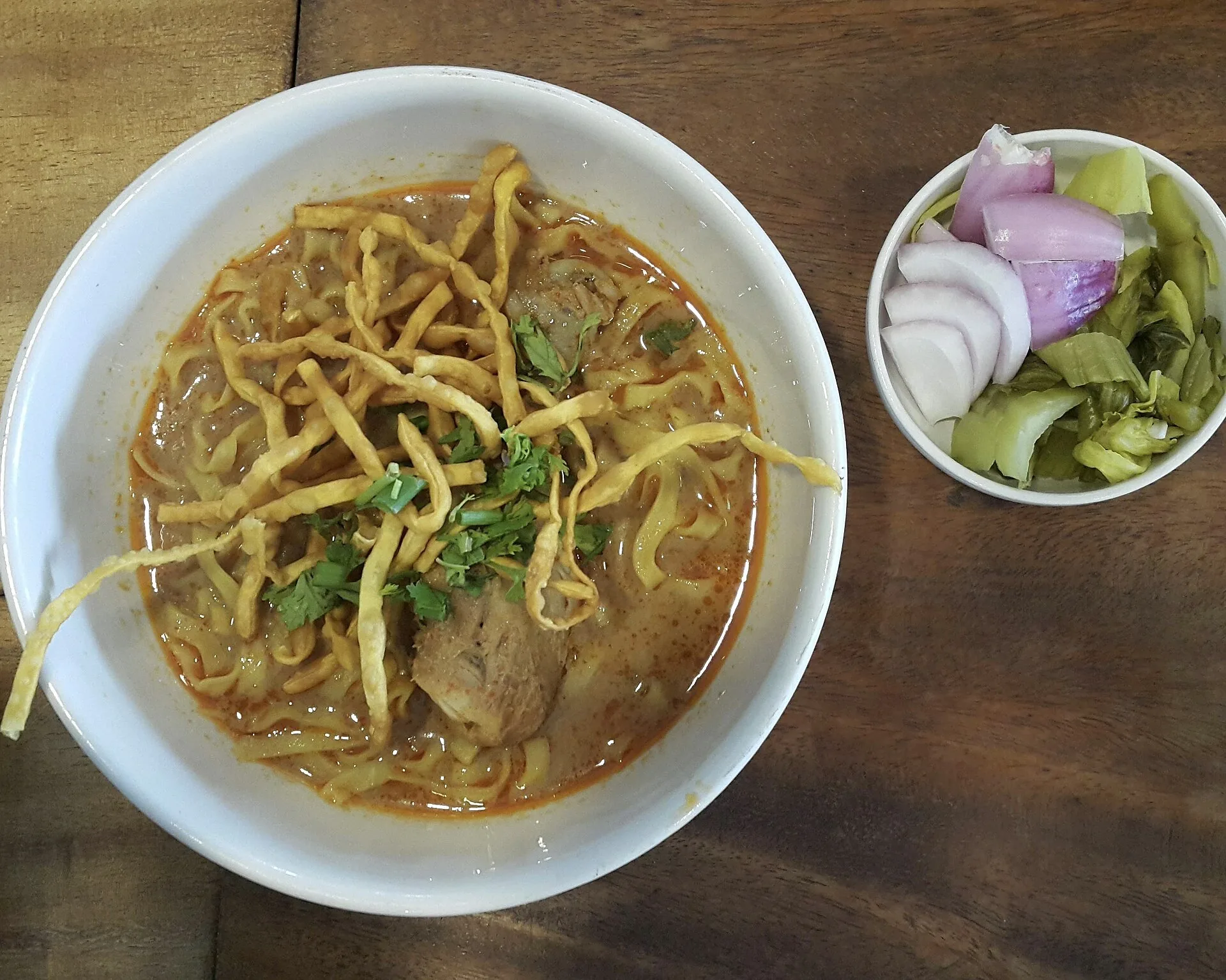
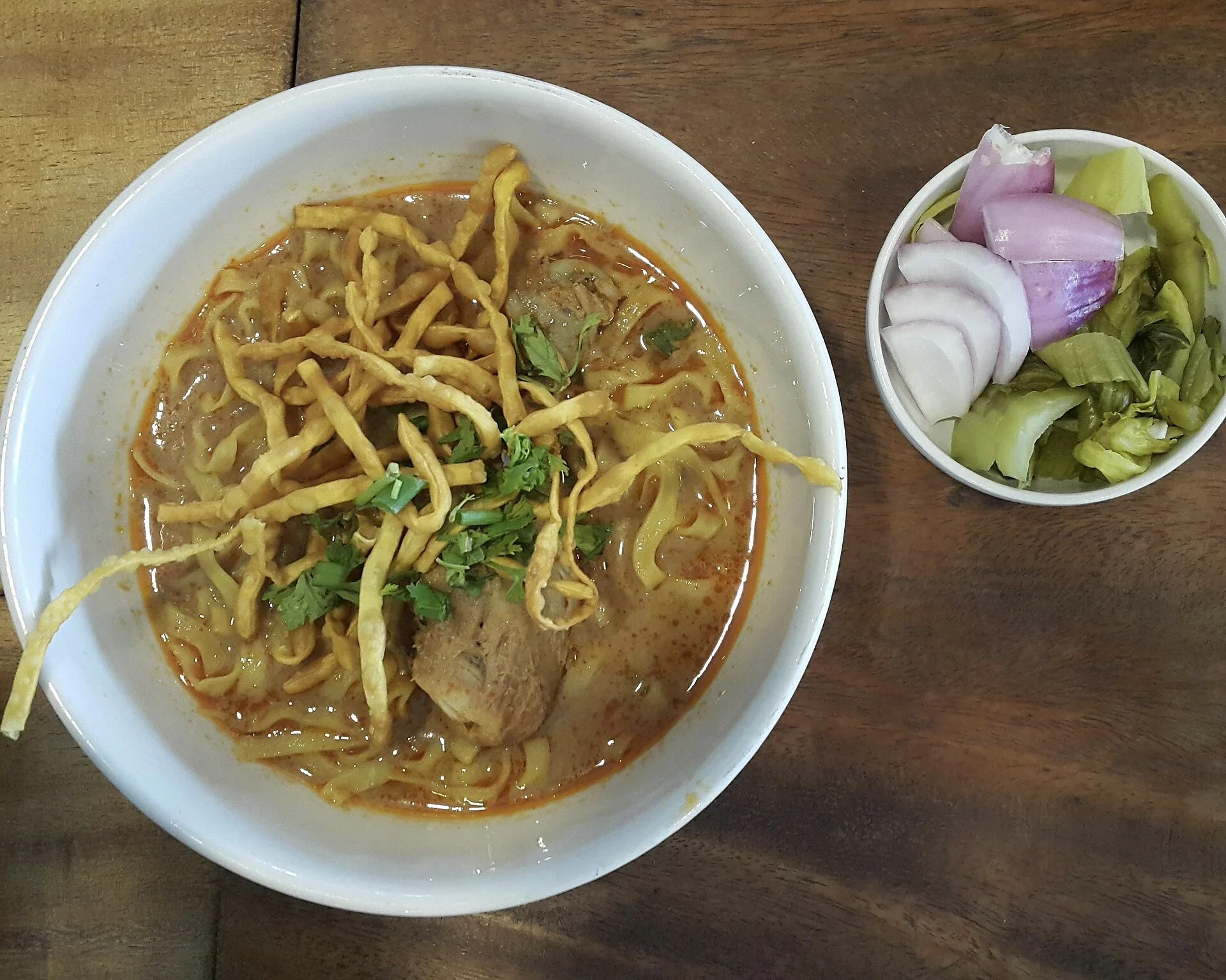
One small stall behind Wat Phra Singh, open lunch only, often sold out by 1pm. The khao soi here is the benchmark by which travelers and locals both judge other versions in town: rich coconut curry broth, soft egg noodles, crispy noodle topping, your choice of chicken or beef. Add lime, pickled mustard greens, and shallots from the condiment tray. Cash only.
If you arrive at 12:30 and the line looks like 40 minutes, it’s actually 25. The grandmothers and aunties at the front move quickly. If the stall is closed for the day, Khao Soi Mae Sai on Ratchaphuek Road is the most reliable second pick, and Khao Soi Lung Prakit on Chiang Mun Road is the third.
Wat Phra Singh, when the Old City is quiet
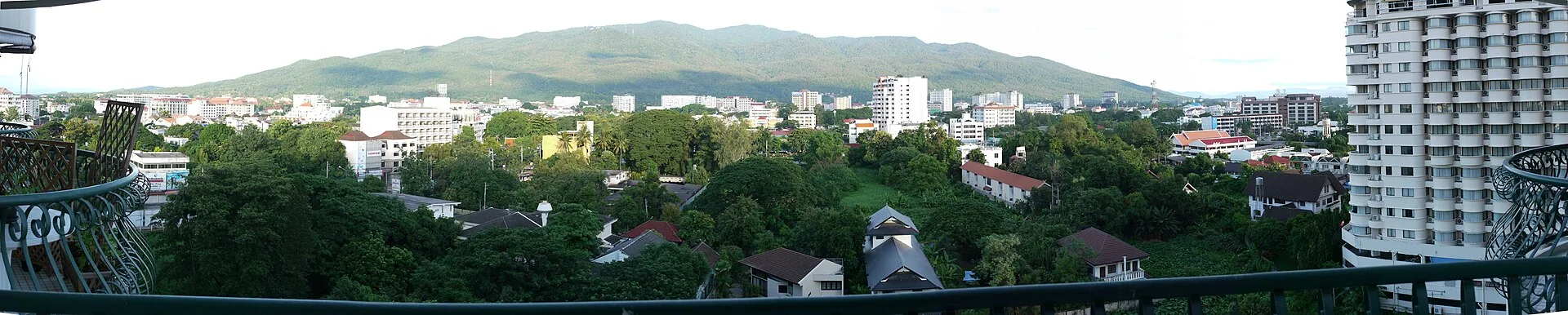 PLACE
PLACE
Wat Phra Singh Woramahaviharn (วัดพระสิงห์วรมหาวิหาร)
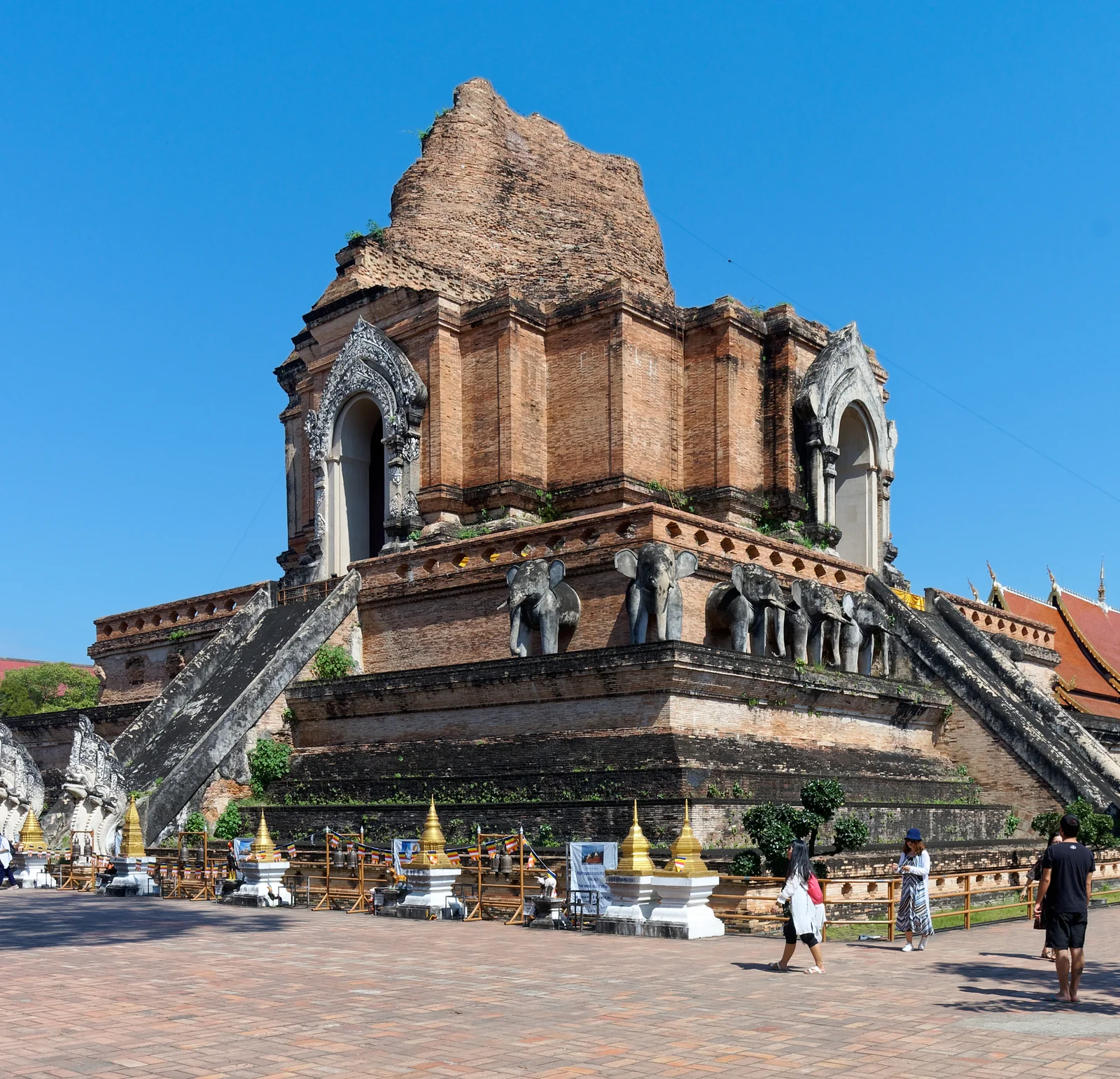
The most important temple inside the Old City walls and the spiritual center of Songkran (Thai New Year) celebrations in Chiang Mai every April. The Lai Kham viharn at the back of the complex is the architectural showpiece: classic Lanna style with teak panels and gold leaf, smaller and warmer than the main hall. Visit between 7am and 9am for the quietest light and the monks' morning routine.
Wat Chedi Luang is a five-minute walk south and pairs naturally with Phra Singh as a one-morning circuit. The 14th-century chedi there is partly ruined, partly restored, and one of the most photographed structures in northern Thailand.
Bo Sang Umbrella Village, for the craft side of the city
 NIGHTLIFE
Bo Sang Umbrella Village (หมู่บ้านบ่อสร้าง)
A 30-minute drive east of Chiang Mai. The village has made paper-and-bamboo umbrellas by hand for more than 200 years; workshops along the main street let you watch the full process from soaking the saa-bark paper to hand-painting the finished umbrella. The annual Umbrella Festival runs three days in mid-January and is the time to come if your dates allow. Outside the festival, weekday mornings are the calmest and the workshops are still active.
The umbrellas themselves are worth the trip if you have luggage room. The smallest ones are $5. The largest decorative pieces run $40-60. They pack flat if you ask the workshop to fold them properly. Don’t accept the first quoted price. Gentle bargaining is normal and expected here, unlike at the night bazaar where the price is usually fixed.
Monk Chat at Wat Suan Dok, the conversation tourists skip
 NIGHTLIFE
Monk Chat (Wat Suan Dok) (พระสนทนา วัดสวนดอก)
Several Chiang Mai temples run open conversation sessions with student monks who want to practice their English. Wat Suan Dok hosts the longest-running version, Monday through Friday from 5pm to 7pm, free to attend. Sit at one of the small tables in the open-air pavilion and ask anything: Buddhist practice, daily life as a monk, what the schedule looks like at 4am, how the rains retreat works. A small donation to the temple is the polite gesture.
Women should not sit directly next to a monk or pass objects directly hand-to-hand. The table mediates the interaction. The student monks lead this gently if you forget. They’re used to first-time visitors.
Wat Chedi Luang runs a similar program five days a week from 9am to 6pm, less structured. Either works.
How to fit the ten into three or four days
A workable three-day plan: arrive midday on day one, walk the Old City for Wat Phra Singh and Chedi Luang, end the day at Doi Suthep for sunset. Day two is a full-day cooking class that finishes by 6pm in time for evening street food on Loi Kroh. Day three is Elephant Nature Park if your booking lined up, or Doi Inthanon if not, plus Sticky Waterfalls as the half-day pair if you started early.
Stretch to four days and you add the Sunday Walking Street (date-dependent), a Khao Soi Khun Yai lunch around the Wat Phra Singh circuit, the Bo Sang Umbrella Village morning, and the Monk Chat in the late afternoon. The fourth day is the one where Chiang Mai stops feeling like a checklist and starts feeling like a place you understand.
Book at least a week ahead for three things. Elephant Nature Park sells out three to four weeks ahead in popular months. The Thai Farm full-day class fills the smaller groups first. Private drivers for Doi Inthanon take repeat clients, so the good ones are gone by the weekend.
One more underrated day trip, Sticky Waterfalls at Bua Tong
Bua Tong Sticky Waterfalls (น้ำตกบัวตอง) sit 60 km north of Chiang Mai near Sri Lanna National Park. The waterfalls are calcified limestone formations that you can walk straight up the face of, barefoot, without slipping. Mineral deposits give the rock a texture that grips like a climbing wall.
The drive runs 75 minutes by private car or 90 minutes by songthaew. Entry to the falls is free. Most visitors stay 90 minutes to two hours, which covers the climb up, a swim in the upper pool, and the walk back. Pack water shoes if you have them, though most visitors go barefoot.
- Entry: free
- Private car with driver, round trip: $45 to $65
- Group day tour with pickup: $22 to $32 per person
- Best season: November to March (cool dry, clearer pools)
The falls work best as a half-day add-on. Pair the morning at the waterfalls with the Mae Sa Valley elephant sanctuary or a quick Mok Fa Waterfall stop on the way back to maximize the day.
Where to stay in Chiang Mai
The Old City puts you inside the moat with the major temples at walking distance. Nimmanhaemin (Nimman) is the modern district with the coffee shops, design hotels, and easier access to the airport. Mae Rim, 20-30 minutes north, is where the larger resort properties sit if you want quiet and pool space.
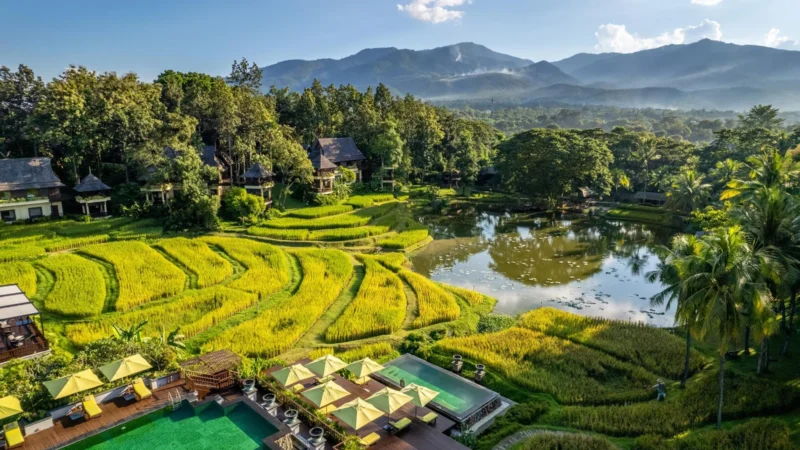
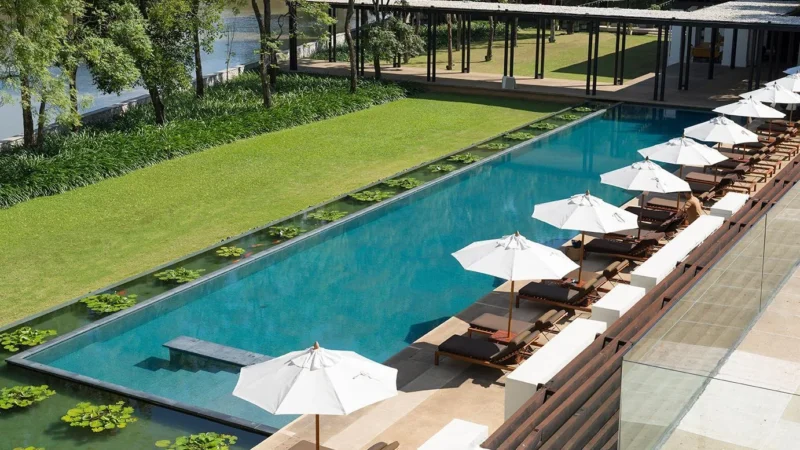

For the full SHA-certified roster across all three areas, see our Chiang Mai hotel guide or check live rates at the Four Seasons in Mae Rim. For day-by-day pacing that combines these activities with where to base each night, our 3 days in Chiang Mai itinerary is the planning companion. If a single deep review is more useful, the Four Seasons Resort Chiang Mai review covers Mae Rim in detail. Arriving overland from the capital? Our overnight train guide walks through classes and booking.
Frequently asked questions
What is the best time of year to visit Chiang Mai for outdoor activities?
How many days do I need to do the main things to do in Chiang Mai?
Is it ethical to ride elephants in Chiang Mai?
How do I get from Chiang Mai city to Doi Suthep?
What should I pack for a day at Doi Inthanon?
Full property review: Read our Four Seasons Resort Chiang Mai review, where the Cooking Academy lives, Mae Rim setting reviewed.
For Thailand activities by type, adventure, cultural, nature, food, wellness, and nightlife, see our complete Thailand activities guide.