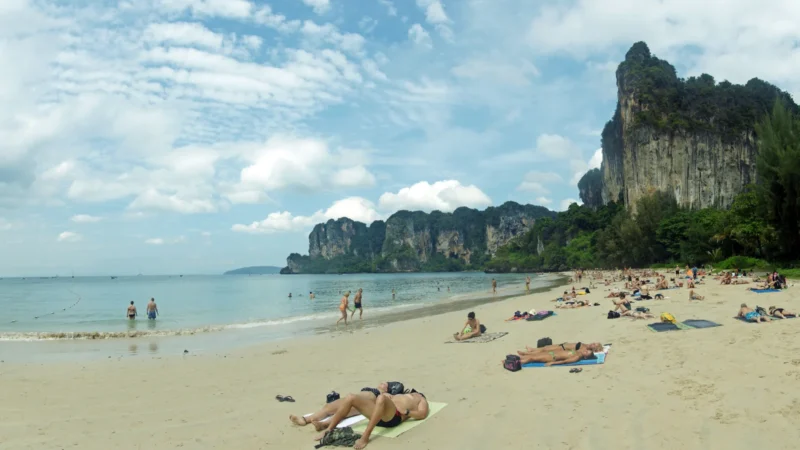
By five in the afternoon the light on Phra Ae goes the color of weak tea, and the longtails that ran snorkel trips all day come back one by one and cut their engines in the shallows. Nobody on the sand is in a hurry. A German family has been at the same beach bar since lunch. Two divers rinse their gear at a standpipe. The tide is a long way out, so the water is a thin warm sheet you walk into for fifty meters before it reaches your knees. This is the thing first-timers get wrong about Koh Lanta. It is not a swimming island. It is a sitting-still island.
Three days here is enough to see why people who came for a week stayed for a month. This guide lays out those three days, north beaches to the wild south, with the one planning trap that catches everyone and a clear read on what the beaches actually deliver.
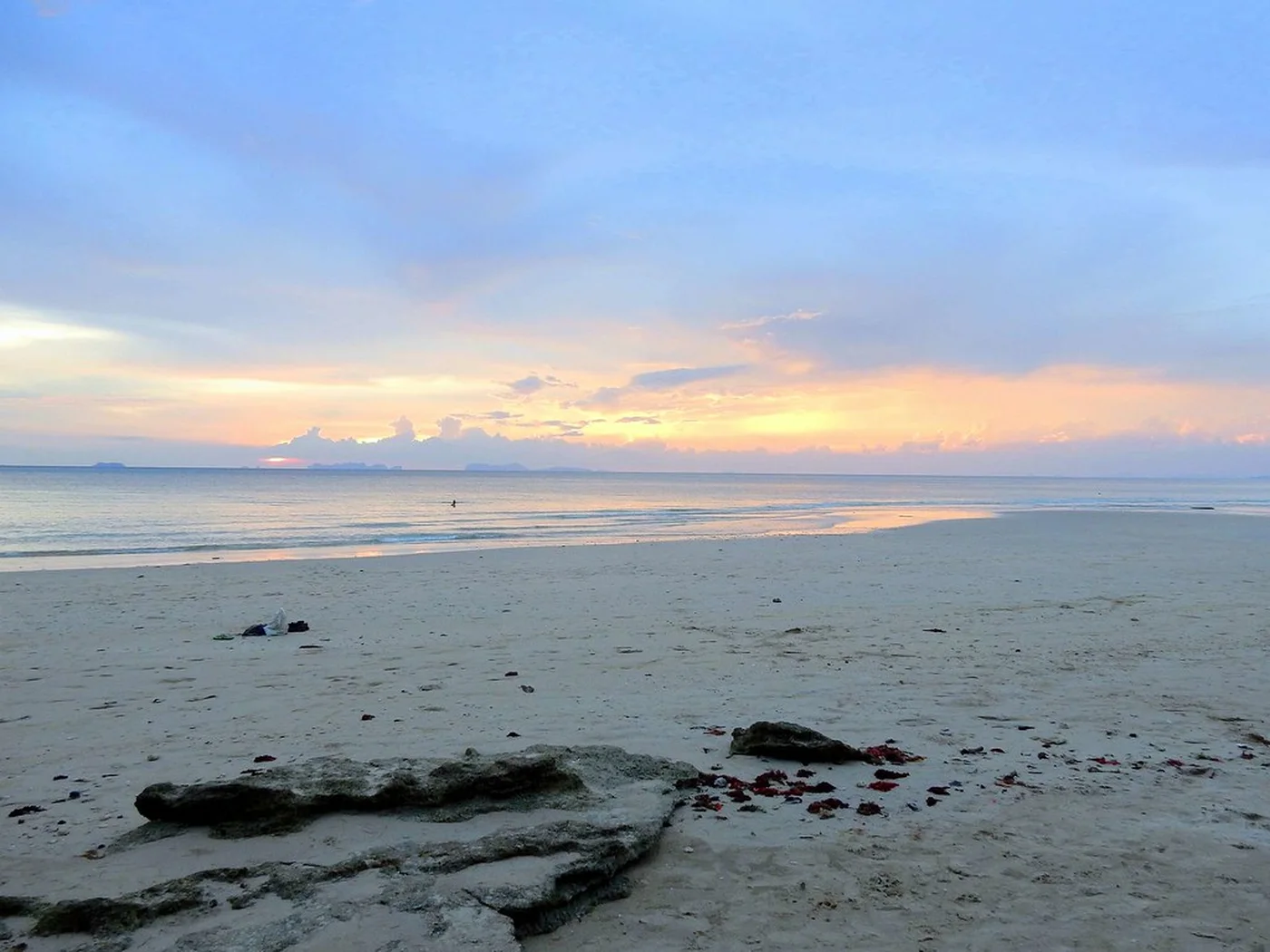 Photographer: flashpacker-travelguide. Source: Flickr. License: CC BY-SA 2.0.
Day 1, the north beaches and Lanta Old Town
Most arrivals land on the north third of the island, and that is the right place to start. The car ferry drops you near Saladan, the town at the top of Koh Lanta Yai, and the first run of beaches sits right below it. Klong Dao is the gentlest, a wide curve with the calmest water on the island and the shortest walk to a coffee. Phra Ae, also called Long Beach, runs three kilometers south of it and trades a little polish for a lot more room.
Spend the morning slow. Pick one of the two north beaches, claim a lounger, and let the jet lag burn off. The water here is the most swimmable on Lanta, which still means flat and warm rather than postcard-clear. Snorkelers should save their expectations for the boat trip on Day 3.
In the afternoon, when the heat drops, rent a scooter and ride to Lanta Old Town on the east coast. This is the part of the island the beach strip forgot. Wooden shophouses on stilts lean over the water, half of them now cafes and the other half still working fishing families. The Sino-Portuguese architecture and the Hokkien-Thai and sea-gypsy history make it the one place on Lanta with a story the beaches do not tell. Walk the single main street, eat grilled fish at a pier restaurant, and watch the boats come in.
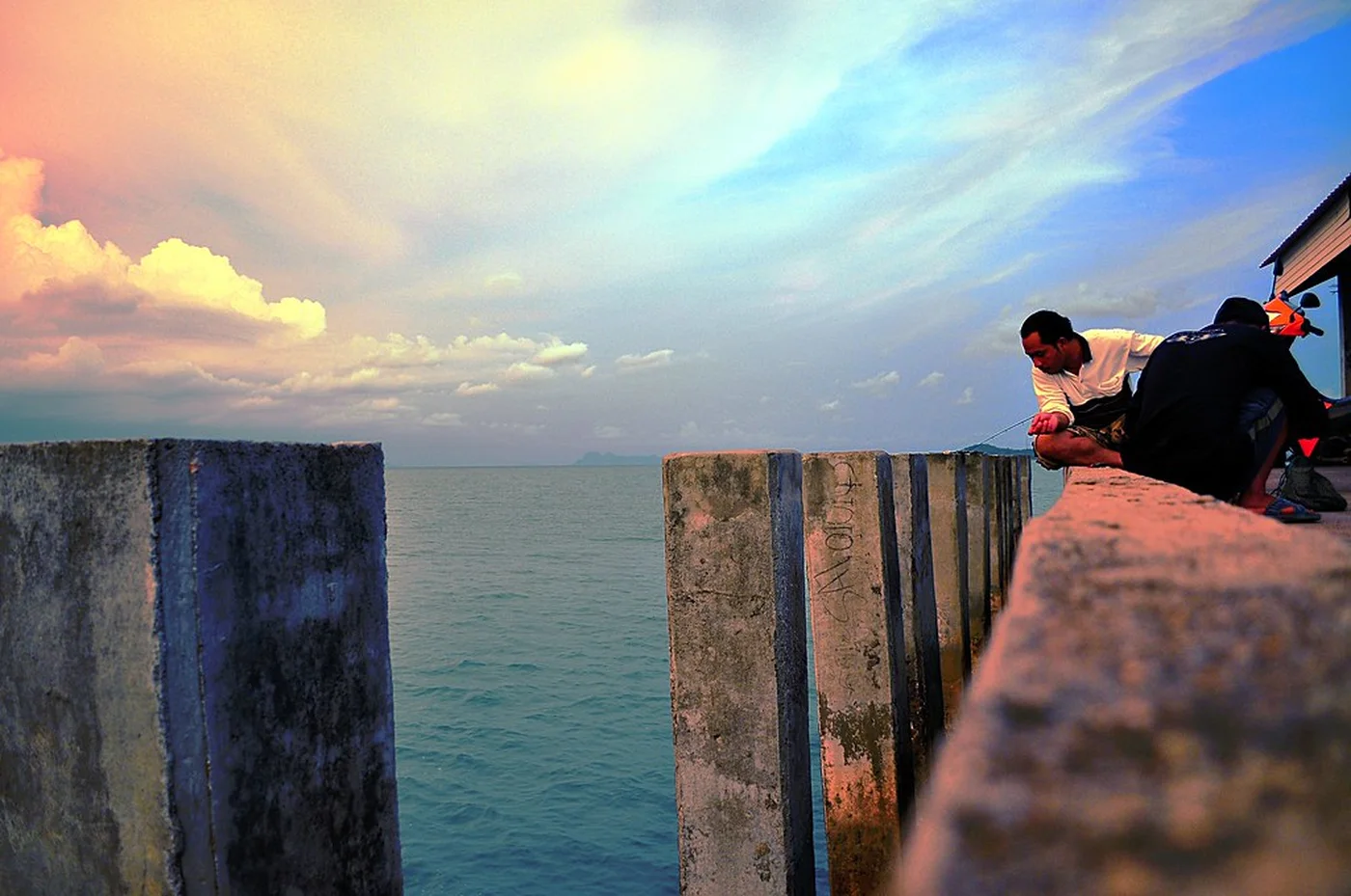 Photographer: Dave_B_. Source: Flickr. License: CC BY 2.0.
Ride back across the island for sunset. The west coast faces the open Andaman, so every beach on that side gets the full show. Klong Khong, a few minutes south of Phra Ae, is the long-running backpacker and hippie beach, and its bars line up driftwood tables at the waterline for exactly this hour.
Fuel the scooter before the Old Town run. The east side of the island has far fewer petrol stops than the beach strip, and the roadside bottle-vendors charge a premium. Fill up in Saladan or on the main west-coast road.
Day 2, the south island by scooter and the national park
Day 2 is the one that shows you why Lanta is different. Point the scooter south and keep going. The island is long, roughly 30 kilometers top to bottom, and the road gets quieter, hillier, and more beautiful the further down you ride. Each beach you pass is emptier than the last.
Klong Nin is the mid-island stop worth making, a natural beach with a small village and good lunch. Past it the road climbs into the headlands above Kantiang Bay, where the viewpoints open up and the package crowds thin to almost nobody. Kantiang itself is a deep, curved bay backed by jungle, and it holds the best sunset on the island. This is the south that German and French long-stayers write home about, the part of Lanta that still feels wild.
At the very bottom sits Mu Koh Lanta National Park. The entrance fee is 200 baht ($6) for adults. The headland trail runs about 90 minutes through forest where long-tailed macaques work the path, and it ends at a white lighthouse over the meeting point of two seas. Bring water and watch your bag around the monkeys, who have learned exactly what a day-pack zip sounds like.
 Photographer: flashpacker-travelguide. Source: Flickr. License: CC BY-SA 2.0.
Time the ride so you are back at Kantiang Bay or one of the southern beaches for sunset, then take the west-coast road home in the last light. The full south loop is a half-day at a relaxed pace, longer if you stop at every beach that tempts you, which most of them will.
Day 3, a sea day on the four islands trip
Lanta earns its reputation in the water around it, not on the sand of it, and Day 3 is where that pays off. The standard trip is the Four Islands, a longtail or speedboat run to Koh Rok, Koh Haa, and the Emerald Cave on Koh Mook. The reef color and visibility off these islands is a different ocean from the beach wade back at the resort.
Book the longtail version over the speedboat if you can. It takes longer and it is the better day, slower between stops and far less crowded at each one. A shared longtail trip runs around 1,000 baht ($30) per person. The Emerald Cave is the trip’s set piece, a swim through a dark sea tunnel that opens into a hidden lagoon ringed by cliffs. Bring a dry bag and shoes you can swim in.
If a full sea day is too much, or you are traveling with small children, swap it for a slower morning. Lanta Animal Welfare runs hour-long tours of its rescue center and is one of the most-recommended stops on the island for families. Pair it with a long lunch and a final afternoon on whichever beach became your favorite.
Either way, leave the last evening open. Three days on Lanta should end the way they ran, with a beach bar, a cold drink, and the longtails coming in.
The truth about Koh Lanta beaches and the season
Here is what the postcard galleries leave out. Koh Lanta is not a turquoise-swim island, and pretending otherwise sets you up for disappointment. Japanese travelers on the forum sites say it plainly, the beaches are for relaxing beside, not always for swimming in. German long-stayers describe red flags flying for days at a stretch when the swell is up. The west-coast sand is wide and gorgeous at sunset and shallow and murky at low tide. Come for the light and the slow pace, and the island over-delivers. Come for a swimming-pool sea, and it will not.
The bigger trap is the season. The passenger ferries that connect Krabi and Koh Phi Phi to Lanta run roughly November to April only. Through the May-to-October monsoon, those boats stop, and the only way on or off the island is the minivan plus car ferry. People book a ferry between Koh Lanta and Koh Phi Phi in July, find it does not exist, and lose half a day sorting a van. Check the month before you plan the route, not after.
Two smaller realities. The south of the island is hilly, and the scooter ride past Kantiang has real climbs and rough patches, so it is not the place to learn to ride. And the island is big. Resorts at the south end are 40 minutes from the north-beach restaurants, so where you sleep decides how much of your three days you spend on the road.
If you cannot ride a scooter confidently, base yourself on the north beaches near Saladan and use the island’s limited songthaews and taxis for the south-island day. The hilly southern road is not a beginner route, and a sprained wrist on Day 1 ends the trip.
Getting to Koh Lanta and around the island
From Krabi, the easy option is the hourly minivan, which runs from Krabi bus station roughly 08:00 to 16:00 for 350 to 450 baht ($11 to $14) and includes the short car ferry to Koh Lanta Noi. The trip takes two to four hours depending on the ferry queue. A private transfer runs 2,500 to 2,800 baht and is quicker and more reliable. In high season, a passenger ferry leaves Krabi’s Klong Jilad pier in the late morning and arrives Saladan in the early afternoon.
From Phuket, the year-round route is a minivan plus car ferry combo with hotel pickup, about four to five hours. In high season only, a ferry runs Phuket to Lanta via Koh Phi Phi, changing boats at Phi Phi.
On the island, a scooter is how nearly everyone gets around, at 200 to 250 baht ($6 to $8) a day. Songthaews and taxis exist but cluster in the north and get expensive for the south run. Key facts for the three days.
- Scooter rental: 200 to 250 baht ($6 to $8) per day, the standard way to cover the island
- Krabi minivan: 350 to 450 baht ($11 to $14), 2 to 4 hours, includes the car ferry
- National park fee: 200 baht ($6) per adult at the southern tip
- Four Islands longtail trip: around 1,000 baht ($30) per person, shared
- Best months: November to April for dry weather and the passenger ferries
- Island length: roughly 30 km north to south, so factor 40 minutes between the ends
Where to stay on Koh Lanta
Three SHA Extra Plus picks across the island, from secluded south luxury to a family base with pools. Where you sleep sets how much of Lanta you can reach in three days. For more options across the province, see our guide on where to stay in Krabi.
 SHA Extra Plus
★ 9.5
SHA Extra Plus
★ 9.5
Layana Resort & Spa
 SHA Extra Plus
★ 9.4
SHA Extra Plus
★ 9.4
Pimalai Resort & Spa
 SHA Extra Plus
★ 8.9
SHA Extra Plus
★ 8.9
Rawi Warin Resort & Spa
Practicalities for three days on Lanta
The bookings worth locking before you arrive, in the order they matter.
- Getting there: the Krabi to Koh Lanta transfer in one booking, minivan plus car ferry, rather than haggling at the bus station.
- The sea day: the Four Islands snorkel trip fills up in high season, so reserve the longtail a day or two ahead.
- The culture afternoon: guided Old Town and island tours if you would rather not ride the east coast yourself.
- Coverage: travel insurance before you rent anything with two wheels. Scooter spills are the most common claim on the island.
For the wider region, the 3 days in Krabi guide pairs naturally with Lanta if you are coming through the mainland, and the ferries in Thailand overview maps the high-season boat routes between the Andaman islands.
Frequently asked questions about Koh Lanta
Is 3 days enough for Koh Lanta?
Are Koh Lanta’s beaches good for swimming?
How do you get to Koh Lanta?
When does the ferry to Koh Lanta run?
Do I need a scooter on Koh Lanta?
When is the best time to visit Koh Lanta?
Is Koh Lanta good for families?
How far is Koh Lanta from Koh Phi Phi?
On the third evening the last longtail comes in around five, the same hour it did on the first, and the light over Phra Ae goes the color of weak tea again. The German family is back at the beach bar. The tide is out, the water is a thin warm sheet, and nobody on the sand is checking a watch. That is when most people understand the ones who booked three days and are still here months later. Koh Lanta does not perform for you. It does not have the postcard water or the famous name of the island next door. It just slows you down, beach by beach, until you stop counting the days and start counting the sunsets. To fit Lanta into a wider trip, see our full Thailand itinerary.