Train 9, the Special Express Uttarawithi, leaves Krung Thep Aphiwat at 18:40 and rolls into Chiang Mai at 07:15 the next morning. That’s the trip worth booking on the Bangkok to Chiang Mai train route. The CNR sleeper carriages built in China in 2016 are the newest equipment the State Railway of Thailand runs, second class lower berth costs $32, and the first class private cabin runs $51 for two adults. The other overnight trains exist as backup. Trains 13 and 51 use older Daewoo cars and arrive later.
We tested the four route options on time, cost, and sleep quality. The honest finding has three parts. The corridor lights stay on all night. The new CNR cars still rock side to side. The Lady Car carriage that solo women search for in Thai forums is a booking move the English guides skip. Below sits the timetable, the per-mode comparison, and the specifics that decide which class and which train number buys the sleep you booked.
Bangkok to Chiang Mai train at a glance
- Train 9 (recommended) duration: 12h 35min, depart 18:40 arrive 07:15
- Train 13 duration: 12h 40min, depart 20:05 arrive 08:45
- Train 51 duration: 13h 10min, depart 22:30 arrive 11:40
- Train 7 (day train) duration: 11h 15min, depart 08:30 arrive 19:45
- Train 9 second class AC sleeper fare: $29 upper berth, $32 lower berth (THB 938 to 1,041)
- Train 9 first class private cabin fare: $45 upper, $51 lower, $76 sole occupancy (THB 1,446 to 2,446)
- Distance covered: 744 km via Ayutthaya, Lopburi, Phitsanulok, and Lamphun
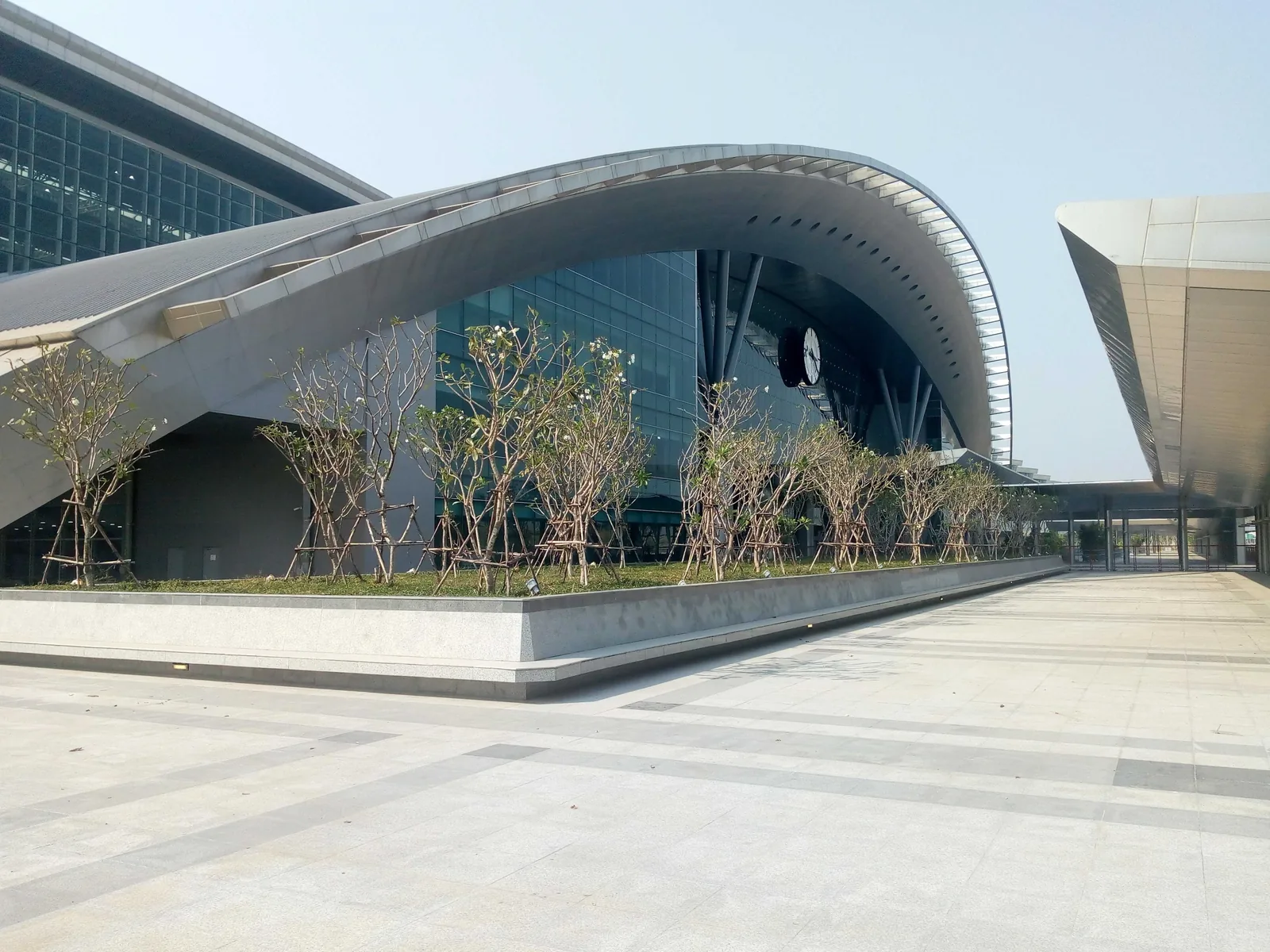
- Bangkok terminus: Krung Thep Aphiwat (KTW), opened 2023, replaced Hua Lamphong for long-distance routes
- Chiang Mai terminus: Chiang Mai railway station, 2.5 km from Tha Phae Gate
- Booking window: 90 days in advance via thairailwayticket.com or a third-party ticketing site
- Lady Car: one carriage on most Train 9 runs reserved for women and children under 12
- Dining car: dinner THB 200 to 210 ($6 to $7), breakfast THB 120 ($4). Alcohol banned on Thai trains since 2014.
Four ways on the Chiang Mai route and the train sleeper case
Four transport modes connect Bangkok to Chiang Mai. The overnight sleeper train wins on the sleep-and-arrive combination if you book Train 9 in first class or second class lower berth. The flight dominates on raw time. The bus wins on price. The day train exists for travelers who want the scenery without the overnight commitment.
Overnight sleeper train, the recommended choice
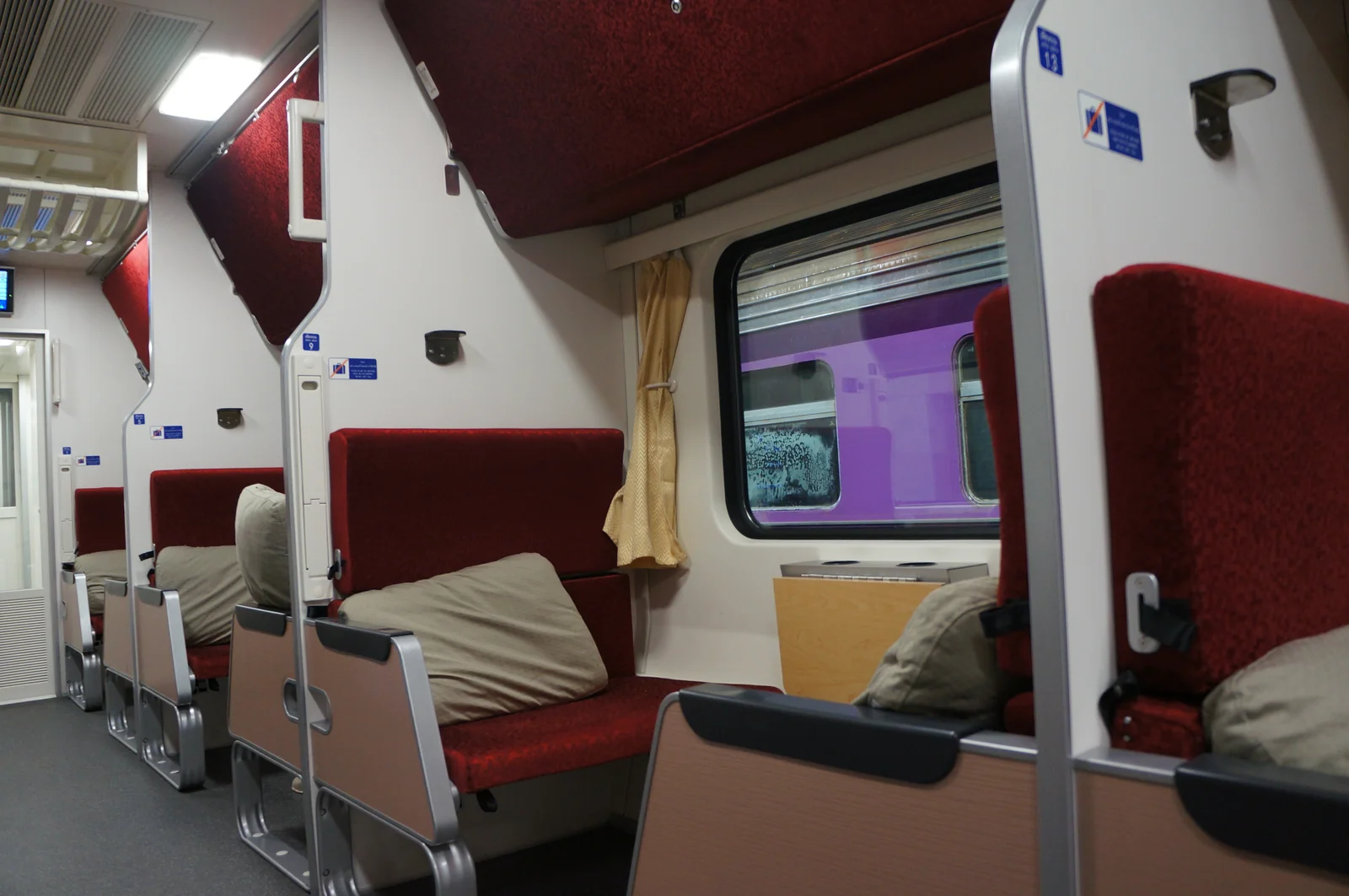
Train 9, the Special Express Uttarawithi, is the sleeper to book. The CNR Chinese-built carriages from 2016 have smoother suspension than the older Daewoo cars on trains 13 and 51, and a dedicated dining car. Second class is open-plan with bunk berths and curtain partitions. First class is a private 2-bed cabin with washbasin, power sockets, and lockable door. The corridor lights stay on all night for security, so bring an eye mask if you’re on an upper berth. Check current Train 9 availability 90 days ahead at peak.
Direct flight, the time-priority choice
40+ daily flights run from Suvarnabhumi (BKK) or Don Mueang (DMK) to Chiang Mai International (CNX). Thai Airways, Bangkok Airways, AirAsia, Thai Lion Air, Nok Air, and Thai Vietjet all run the route. Block time is 1h 20min. The catch is the airport time. Add 60 to 90 minutes for BKK or DMK check-in plus another 30 minutes for the CNX taxi to the Old City. Total door-to-door is 4 to 5 hours. Foot-passenger fare runs $30 to $90 one way. Compare current flight prices across the six operators.
Overnight VIP bus, the budget winner
VIP and Super VIP coaches depart Mo Chit terminal nightly between 18:30 and 21:00. Greenbus, Sombat Tour, and Nakhonchai Air operate the route. Super VIP seats recline to roughly 160 degrees with a footrest. Duration is 9 to 11 hours. Cheaper than the train but the highway noise and frequent rest stops make it harder to sleep through. The bus arrives at Chiang Mai Arcade Bus Terminal, 3 km east of the Old City. Foot-passenger fare runs $20 to $35 one way.
Day train (Special Express 7), the scenic option
Train 7 leaves Krung Thep Aphiwat at 08:30 and arrives Chiang Mai at 19:45. Second class seats only, no sleeper. The carriage trades sleep for daylight scenery. You see rice paddies through Ayutthaya, the limestone karst at Lampang, and the climb into the northern highlands. Worth it once if you’ve already done the night train and want the view, or if you can’t sleep on overnight transport at all. Foot-passenger fare runs $18 to $25 one way.
 Photographer: MNXANL. Source: Wikimedia Commons. License: CC BY-SA 4.0.
First class versus second class on Train 9 and which buys the sleep
Train 9 carries one first class carriage and seven second class sleeper carriages. The first class cabin holds two people in bunk beds with a washbasin, lockable door, power sockets, and air conditioning the passenger can adjust. Second class is open-plan: upper and lower berths along the corridor, curtain for privacy, AC blowing from the ceiling unit at a single setting the carriage steward controls.
Train 9 fares on the Bangkok to Chiang Mai route break down as follows.
- First class upper berth: THB 1,446 ($45)
- First class lower berth: THB 1,646 ($51)
- First class sole occupancy (whole cabin): THB 2,446 ($76)
- Second class lower berth (AC): THB 1,038 ($32)
- Second class upper berth (AC): THB 938 ($29)
The case for first class is sleep, privacy, and AC control. Two adults sharing a first class cabin pay $25 each and sleep behind a locked door. The case for second class is the route experience and the lower price. Solo travelers on a lower berth get a full bed, a curtain, and a power outlet for around $32. The cabin can feel claustrophobic for two adults staying together for 13 hours according to local Pantip reviewers, but the privacy-and-AC-control tradeoff makes it worth the upcharge for repeat travelers.
The Lady Car. Trains 9 and 10 typically run one carriage reserved for women and children under 12. Pantip threads document the seat map and treat it as a known booking move for solo women. The carriage isn’t always labeled clearly on a third-party ticketing site. Book directly at thairailwayticket.com and look for the female-and-children carriage in the seat selection screen.
What actually happens in the sleeper carriage overnight
The carriage starts as bench seating facing each other on each side of the corridor. After dinner around 20:30 to 21:30, the carriage steward folds the seats into berths, adds sheets and a pillow individually wrapped, and pulls the curtains. Light sleepers should know three things before they board.
First, the corridor lights stay on all night. The carriage steward keeps them lit as a security measure, and Japanese reviewers on 4travel.jp call out an eye mask as required equipment for upper berths. The light bleeds through the curtain gap. Lower berths block more of the glow because the curtain hangs further.
Second, the new CNR carriages still rock. The 2016 Chinese-built sleepers ride better than the older Daewoo cars on trains 13 and 51, but a Japanese reviewer in 2025 titled their travelogue “shakes and shakes and shakes” referring to the new CNR cars. The lateral roll is noticeable through the wheel-set sections in the north of Phitsanulok where the track quality drops. Earplugs and a strap to anchor a phone or a water bottle make a real difference.
Third, the AC blows cold. German reviewers on Reiselife specifically flag this. The carriage temperature drops to around 18 to 20 degrees overnight even when ambient Bangkok is 32 degrees. The provided blanket helps. A long-sleeve layer in the carry-on helps more.
Dining car, station food, and what to eat on the trip
The dining car on Train 9 serves a set menu, microwaved and sometimes served cold per multiple English-language reviewers including Shipped Away and Polyglot Petra. Dining car menu pricing:
- Set dinner: THB 200 to 210 ($6 to $7)
- Set breakfast: THB 120 ($4)
The 4travel.jp Japanese reviewers point to a better option, station food at the longer stops. The intermediate stops at Ayutthaya (around 20:25), Lopburi (around 21:30), and Phitsanulok (around 23:55) all have platform vendors selling skewered meat, grilled bananas, sticky rice, and bottled water at THB 20 to 50 per item. The stop is 2 to 5 minutes. You don’t have time to leave the platform, but you have time to buy from the vendor cart that walks the train. Pack a snack from Bangkok and use the platform vendors at one or two of the long stops. Skip the dining car food unless you want the bar-and-social-space angle.
The dining car works better as a bar than a restaurant. Alcohol has been banned on Thai trains since 2014, but the dining carriage is the social space on the train: it’s where travelers gather after the berths are made up. Bring your own snacks and a thermos.
Monsoon, delays, and the buffer time for the morning arrival
Train 9 publishes a 07:15 arrival. The realistic arrival window is 07:15 to 09:30. Bangkok Post documented a landslide in 2024 that closed the line between Lampang and Chiang Mai and forced passengers onto replacement buses for the final segment. The vulnerability is the climb from Lampang into the northern highlands during the May-to-October monsoon. Build the buffer.
Three rules for the arrival morning. First, don’t book a same-morning Chiang Mai activity that starts before 11:00. Second, don’t book a tight Chiang Mai onward connection. The CNX domestic flight to Pai or Mae Hong Son needs at least a 3-hour buffer from the published train arrival. Third, in monsoon season, treat the train as the slow option and the flight as the timing-critical option. The flight delays at CNX during monsoon are usually 60 minutes or under. The train delays during a landslide are 2 to 5 hours or a bus transfer for the final 100 km.
Theft on the sleeper trains is statistically rare per Seat61 and the German-language guides. CCTV runs in the carriages, the corridor lights stay on all night, and the staff presence is constant. Keep the daypack in the berth with you and use the curtain. The locked first class cabin removes the worry entirely for travelers carrying laptops or cameras.
Booking the train ticket and the 90-day window
 Photographer: Amin. Source: Wikimedia Commons. License: CC BY-SA 4.0.
The State Railway of Thailand opens bookings 90 days in advance at thairailwayticket.com. The first class carriage on Train 9 holds nine 2-berth cabins. That’s 18 first class beds for a route that runs nightly. The first class beds sell out 1 to 2 weeks ahead during Songkran in April, New Year in late December, and Loy Krathong in November. Off-peak, first class is available 3 to 5 days ahead.
Second class is easier to book. The 88 CNR second class berths per train give roughly 800 beds available per week. Even at peak, second class lower berth is usually bookable 2 to 3 days ahead. Upper berth is almost always available same-day.
Foreign credit cards work better through an online booking agent, which adds a small booking fee (around $2 to $5 per ticket) but accepts non-Thai cards reliably. The State Railway site sometimes rejects foreign cards. The Pantip threads suggest booking through a third-party ticketing site if you’ve had two card rejections from the SRT site.
For onward travel after Chiang Mai, the CNX domestic flights cover Pai, Mae Hong Son, and the return Bangkok routing. The Bangkok to Chiang Mai flights guide covers the four flight operators if you want to fly back instead of taking the night train return.
Frequently asked questions about the Bangkok to Chiang Mai train
Which train should I book Bangkok to Chiang Mai?
How much does the sleeper train cost?
Is the train better than flying?
Should I book first class or second class?
How far in advance should I book Train 9?
Is there a women-only carriage on Thai sleeper trains?
Where does the Bangkok to Chiang Mai train leave from?
What happens if there’s a monsoon landslide?
Is the dining car food worth ordering?
Where to stay in Chiang Mai after the train arrival
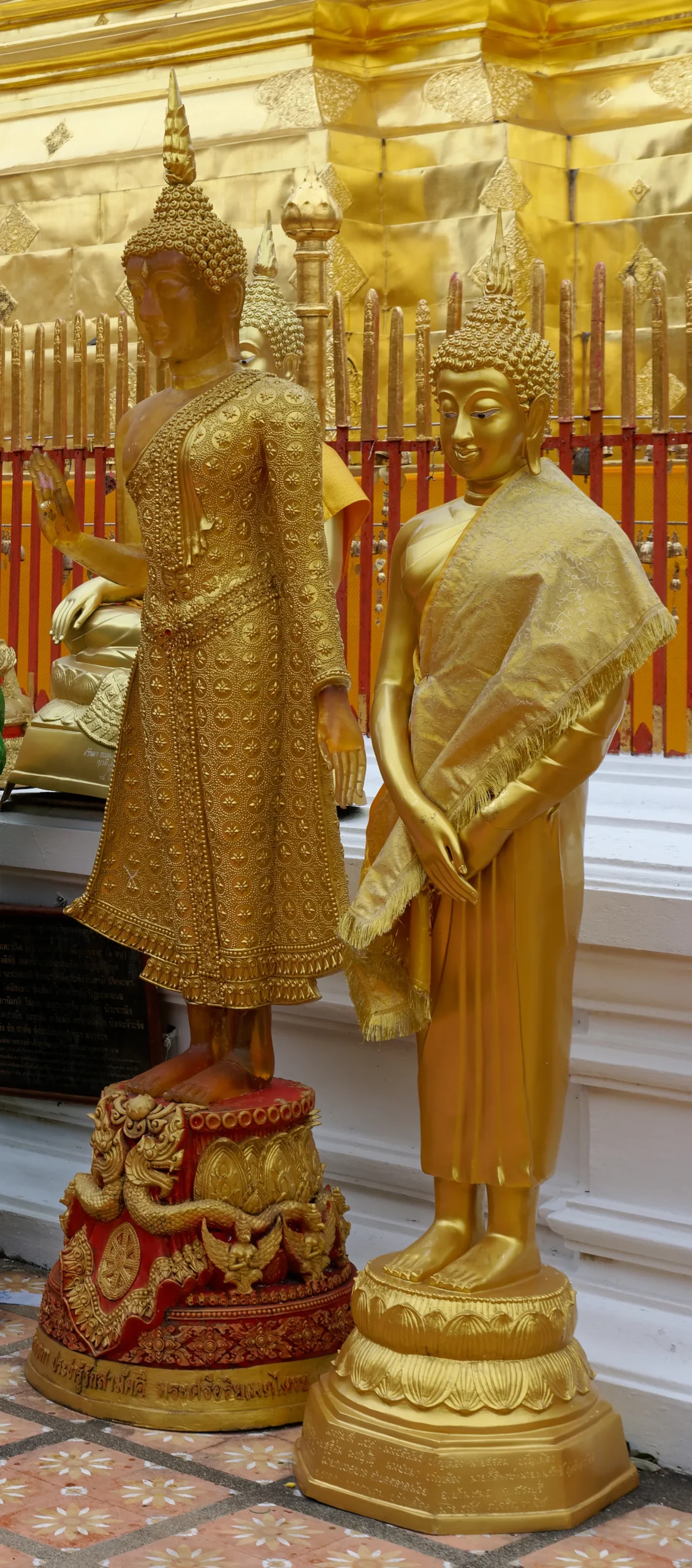 Photographer: Photo Dharma from Sadao, Thailand. Source: Wikimedia Commons. License: CC BY 2.0.
Three SHA-certified picks across the Old City, Nimman, and the riverside to anchor the first night after the sleeper train.
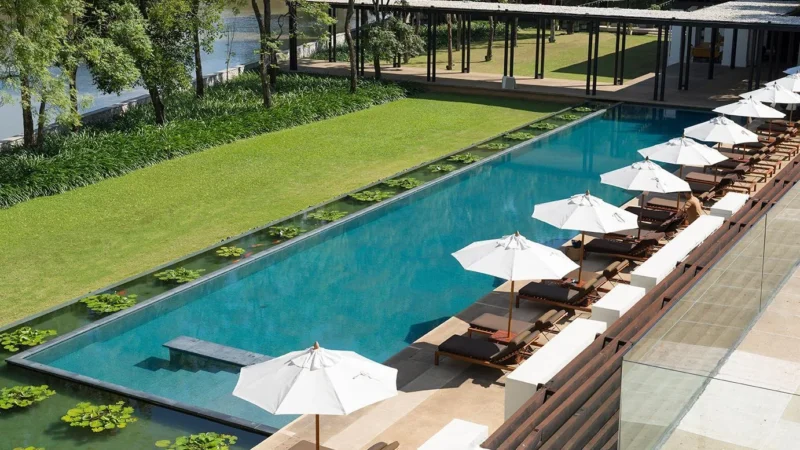 SHA Extra Plus
★ 9.0
SHA Extra Plus
★ 9.0
Anantara Chiang Mai Resort
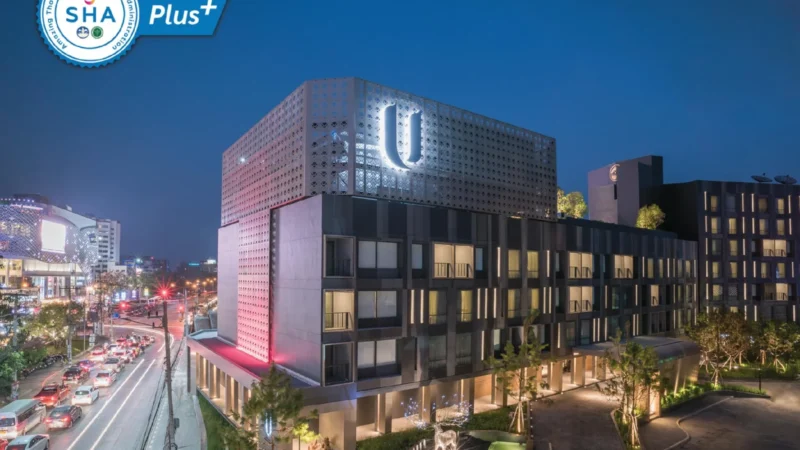 SHA Certified
★ 9.2
SHA Certified
★ 9.2
U Nimman Chiang Mai Hotel
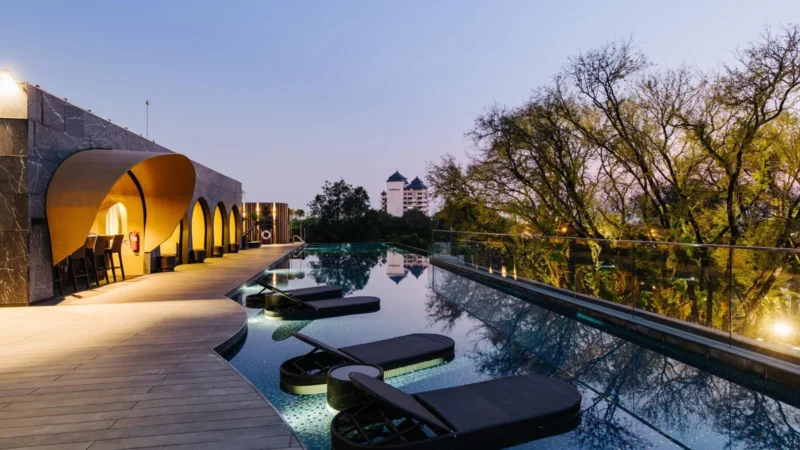 SHA Certified
★ 9.2
SHA Certified
★ 9.2
X2 Chiang Mai Riverside Resort
To plan the rest of the visit, see where to stay in Chiang Mai and our 3 days in Chiang Mai itinerary. Arriving from overseas, our Hong Kong flights guide covers the gateway leg. Heading to the islands after, our Koh Samui flights guide maps the fastest option.