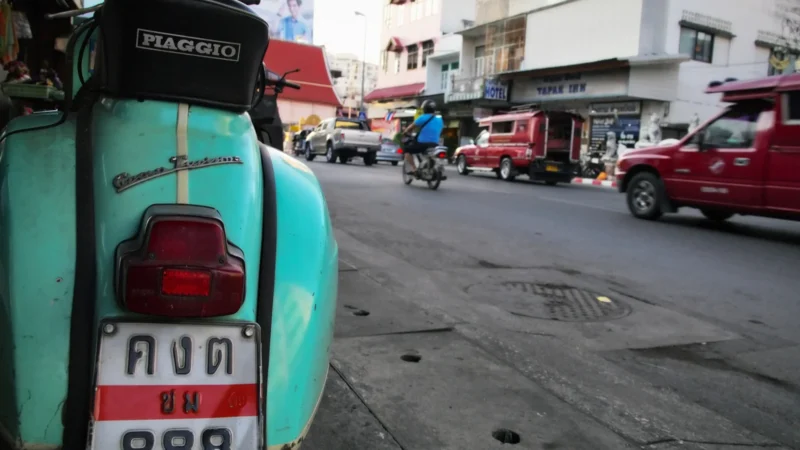
The first ferry from Donsak rounds Lipa Noi at dawn and the water turns a color you cannot find on a map. Locals call it luum sii, the color of indigo plant settling in clay. By the time the boat hits the pier, the early songthaews are already running up the coast toward Chaweng. The fishermen at Bophut are stacking their nets. At Maenam a Russian family is taking the same photograph their parents took here twenty years ago. Koh Samui meets you on the water before it meets you on the road.
This island is not one beach. It is twelve. They sit at different points of the compass, run on different schedules, and behave in different ways under the same monsoon. The Chaweng strip on the east coast wakes up at lunch and goes until 3am. The west coast strands at Lipa Noi and Taling Ngam pull back to the rhythm of the sunset and a family supper. The small horseshoe coves between them belong to no one in particular and pay attention to no one.
What follows are the ten beaches we send travellers to when they ask which side of the island to base on. If you want one of everything inside walking distance, book the east coast and read the Chaweng and Lamai sections first. If you want quiet water and a family supper at sunset, skip straight to the west coast picks. None of them are secrets. A few are crowded and worth it. A few are quiet for the reasons that quiet always means in Thailand, and we say so.
Which coast, in one line. The east coast (Chaweng, Lamai, Silver Beach, Coral Cove) runs calmest and clearest from February through April. The north and west (Bophut, Maenam, Choeng Mon, Lipa Noi, Taling Ngam) hold the calm water from November through January when the east turns choppy. Pick your base by your travel month before you pick it by the postcard.
Chaweng Beach, where the island still does what it always did
 BEACH
BEACH
Chaweng Beach (หาดเฉวง)
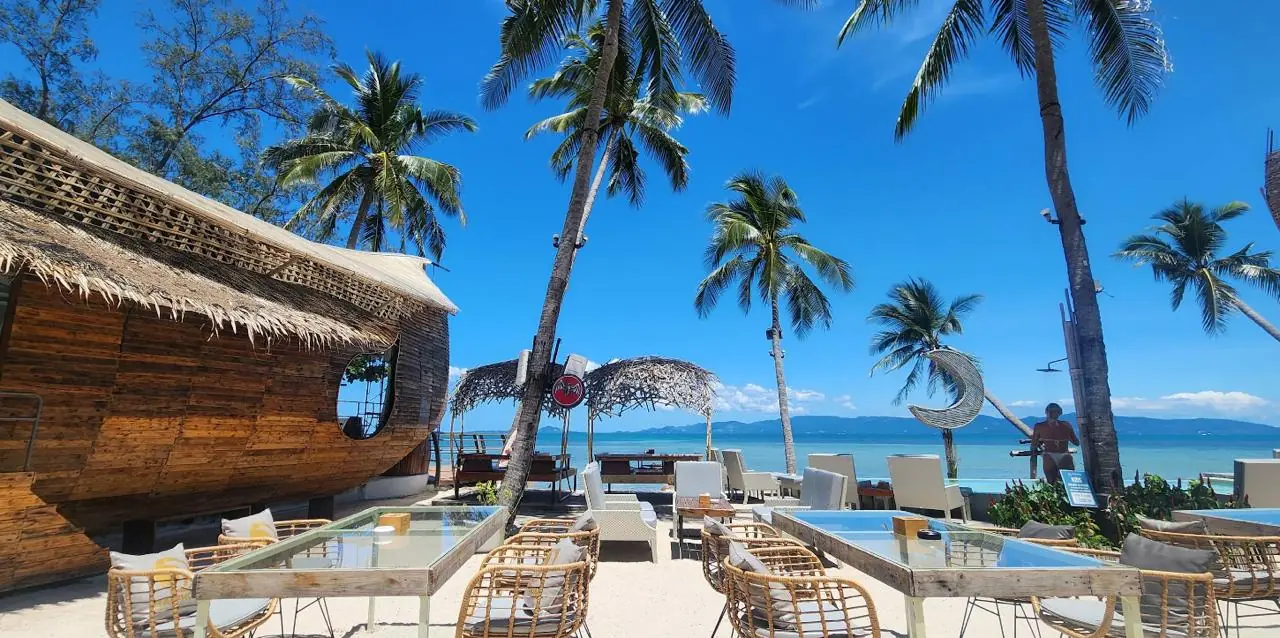
Six kilometers of white sand along the east coast and the single best-known stretch on the island. The northern third is where the loungers thin out and the swim quality is at its best; the central section is the resort and bar strip; the southern end (Chaweng Noi) is a separate small cove cut off by a headland. The reef-protected lagoon at the north end stays swimmable in the windier months when the rest of the east coast is choppy. Watersports operators line the central beach: jet ski, parasail, banana boat, and a small inflatable park anchored offshore.
If you have one week on Samui and want everything inside walking distance, Chaweng is the practical pick. Convenience stores, ATMs, pharmacies, dive shops, and three hospitals are within ten minutes by foot or by songthaew. The drawback is the one that nightlife strips always have. Bar bass at the central section carries to the ocean-facing rooms of the resorts on the strip until 1am, and the songthaew traffic on the back road runs until 3am.
Stay at the north end if you want quiet rooms. Stay at the center if you want the strip on your doorstep. The 1.5km between them is not a polite difference. Travelfish’s Chaweng overview has tracked the development of the strip for two decades and remains the cleanest editorial accounting of which sois are quieter than others.
Lamai Beach, the half-step back from Chaweng’s volume
BEACH
Lamai Beach (หาดละไม)
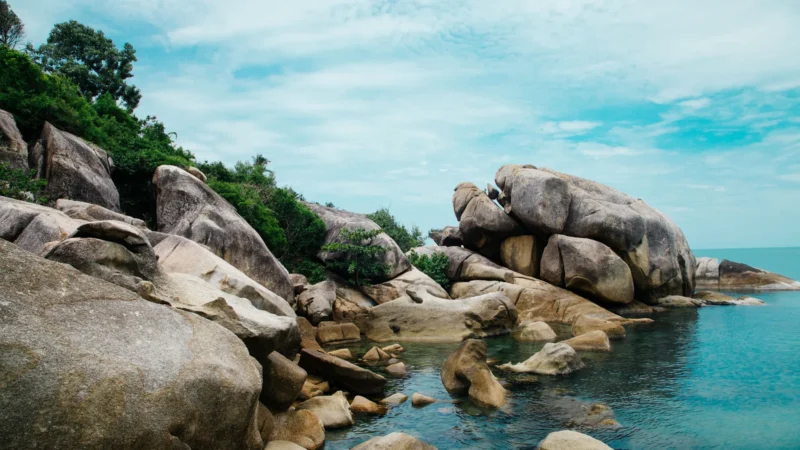
Four kilometers of soft sand on the east coast, eight kilometers south of Chaweng. Calmer than Chaweng during the day and quieter at night, with a smaller bar scene clustered in two zones. The southern end of the beach has the famous Hin Ta and Hin Yai (Grandfather and Grandmother) rock formations carved by the sea into shapes the souvenir stalls have made famous. Swimming is good for most of the year, with shallow gradients and few currents. A coral-rubble strip runs along the high-tide line in places, which is the trade-off for the softer sand at low water.
Lamai is what travellers move to on their third Samui trip. The room rates run 20 to 30 percent below Chaweng for similar tiers. The Sunday Lamai Walking Street market on the back road from 5pm has a smaller, more local-craft feel than the Chaweng equivalent. Wat Lamai Cultural Hall on the inland edge of the village holds a small but genuinely good Lanna-and-southern Thai folk collection that almost no one visits.
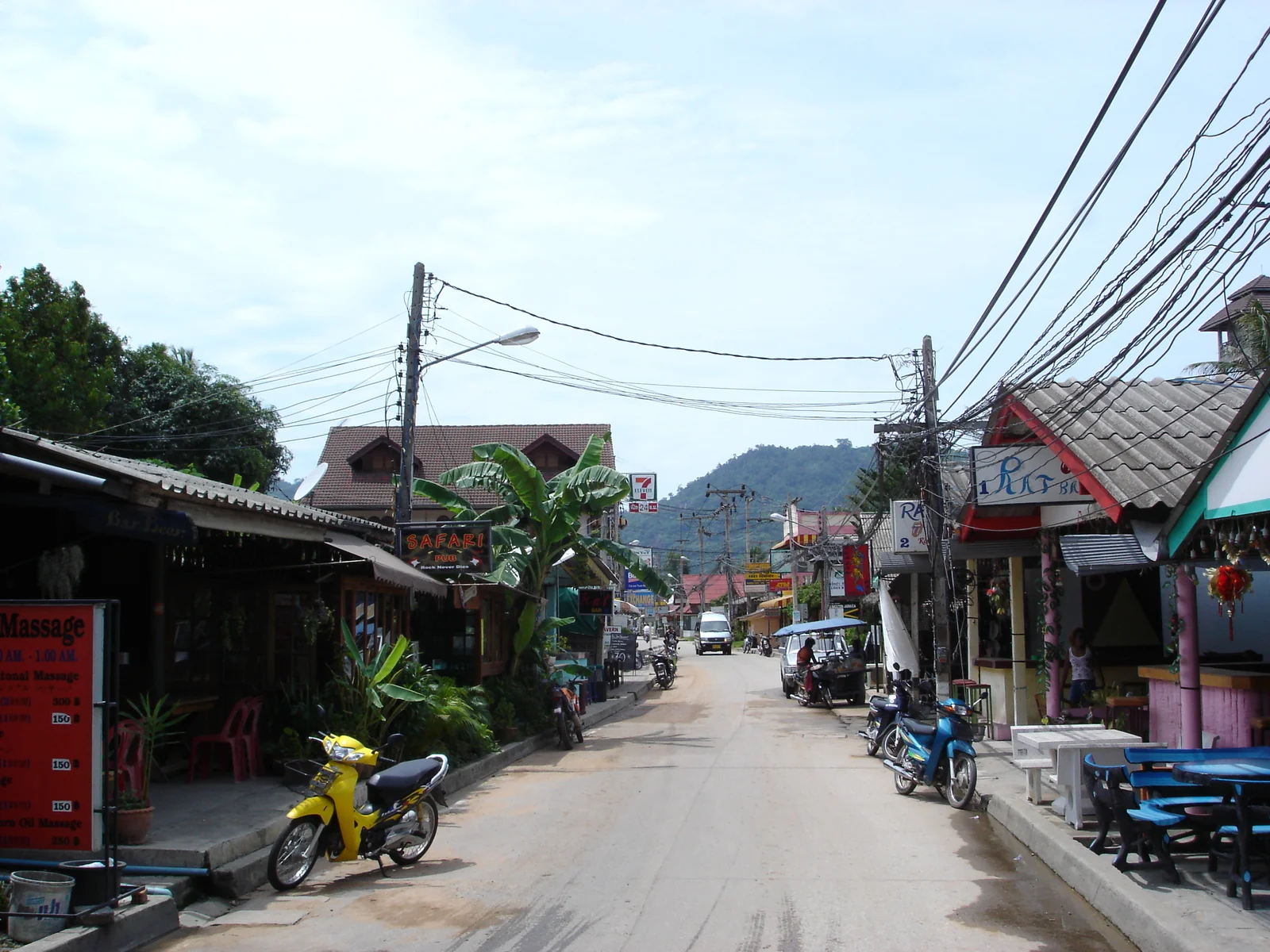
Bophut Beach, with Fisherman’s Village at the eastern end
 BEACH
BEACH
Bophut Beach (หาดบ่อผุด)
A six-kilometer arc on the north coast, with the historic Bophut Fisherman's Village sitting at the eastern end. The Chinese-Thai shophouses on Walking Street are 100 to 150 years old and house most of the village's restaurants, boutique hotels, and small bars. Beach quality is honest: a narrow strip of yellower sand than Chaweng, shallow swimming, very calm February through October. The Friday-evening Walking Street market from 5pm to 10pm closes the village to traffic and turns it into a food street: southern Thai grilled fish, Hainanese chicken rice from the second-generation Chinese-Thai families, and the seafood pots from the boats that landed that afternoon.
Bophut is the area we recommend most often to couples on a first Samui trip. The combination of a walkable historic village, a calm beach, and a 20-minute taxi to Chaweng for an evening if you want it solves more travellers’ problems than any other base on the island. Hotels on the village side put you in walking distance of the restaurants. Hotels further west on the same beach face more open sand and quieter dinners on property. For a deep review of one of the SHA Plus options on the village end, see our Anantara Bophut review.
Booking Bophut. The village end and the open-sand western end of the same beach are two different trips. Book a village-side property if you want the Friday Walking Street market and the restaurants on your doorstep. Book the western end if you want quieter dinners on property and more open sand, then take the 20-minute songthaew into the village on the night you want the buzz. Confirm which end your hotel sits on before you commit, because the map shows one beach name for both.
Choeng Mon Beach, the swimming pool with a horizon
BEACH
Choeng Mon Beach (หาดเชิงมน)
A small horseshoe cove on the northeast corner, about ten minutes north of Chaweng by car. The bay is shallow and protected, water sits clear and still for most of the year, and the small island of Koh Fan Noi closes the cove at the eastern end and becomes walkable at low tide. The beach length is under one kilometer, which keeps the crowd density low even when the resorts are full. Families with children under ten gravitate here because the swimming is the safest on the island.
The cove is small enough that you will see the same families across multiple days. Service-wise, only a handful of beach restaurants and one or two massage parlours line the sand, which is part of the appeal. If you want a full village atmosphere with shops and ATMs, Choeng Mon is not it. You will drive into Chaweng or up to Bophut for any meaningful errand.
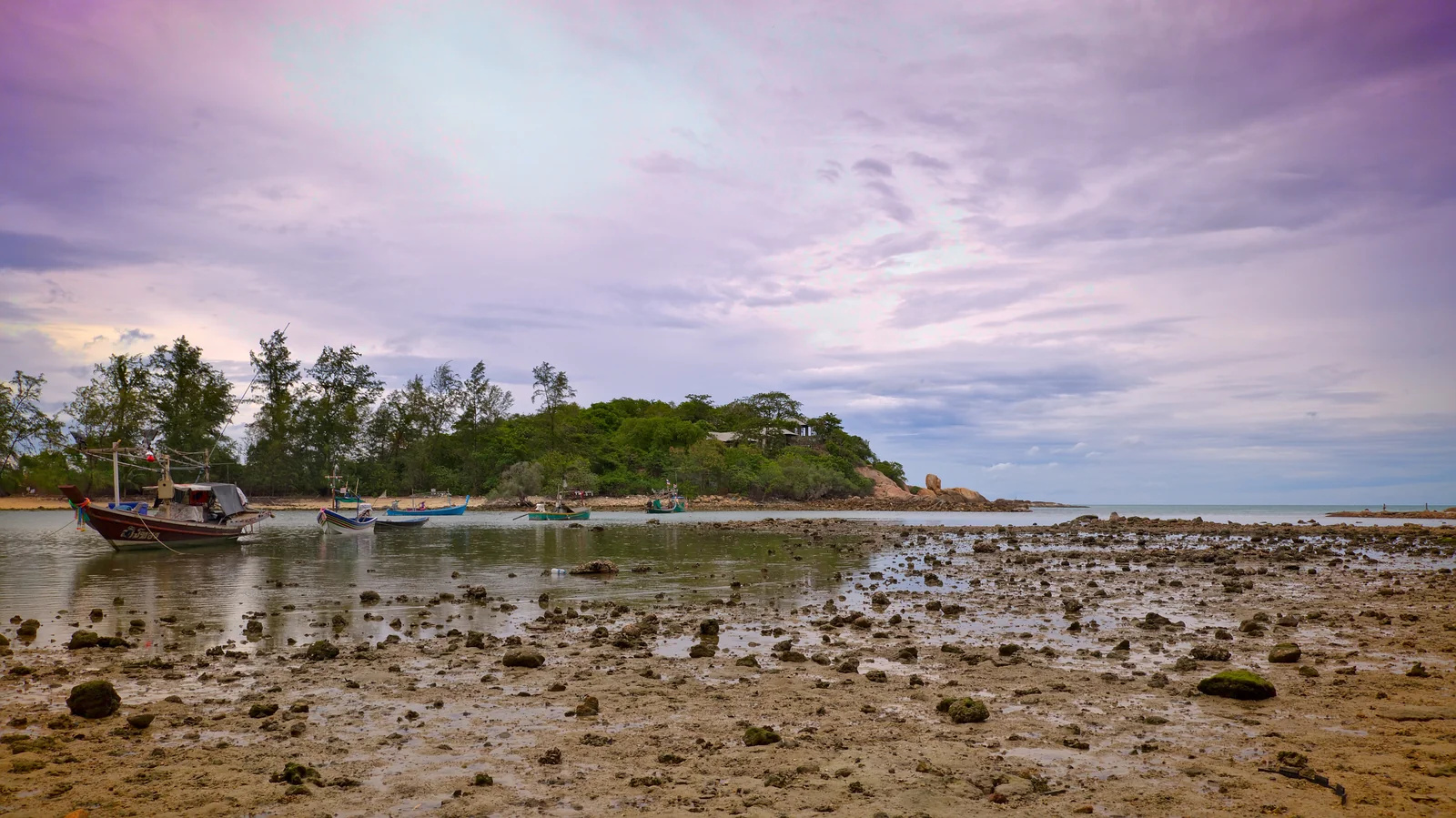
Maenam Beach, the longest quiet stretch on the island
BEACH
Maenam Beach (หาดแม่น้ำ)
Seven kilometers of beach on the north coast, west of Bophut. The widest beach on Samui and the one most popular with Thai families and long-stay foreign residents. Sand is yellow rather than white, swimming is shallow and calm in the dry season, and the back road behind the beach is a quiet residential strip with small bakeries and family-run restaurants instead of bars. The Thursday-evening Maenam Walking Street from 5pm has the most local-feel market on the island, more produce and street food than crafts.
Maenam is where a two-week stay on Samui makes sense. The room rates are the lowest on the north coast for SHA-certified properties. The supermarket and pharmacy on the back road are workable for daily living. The pier in the center of the village is the departure point for the day-tour ferries to Koh Phangan and Koh Tao. The drawback is the one that always comes with quiet. Dinner options drop sharply after 9pm, and the songthaew to Chaweng is a 25-minute ride after 11pm if you want late-night anything.
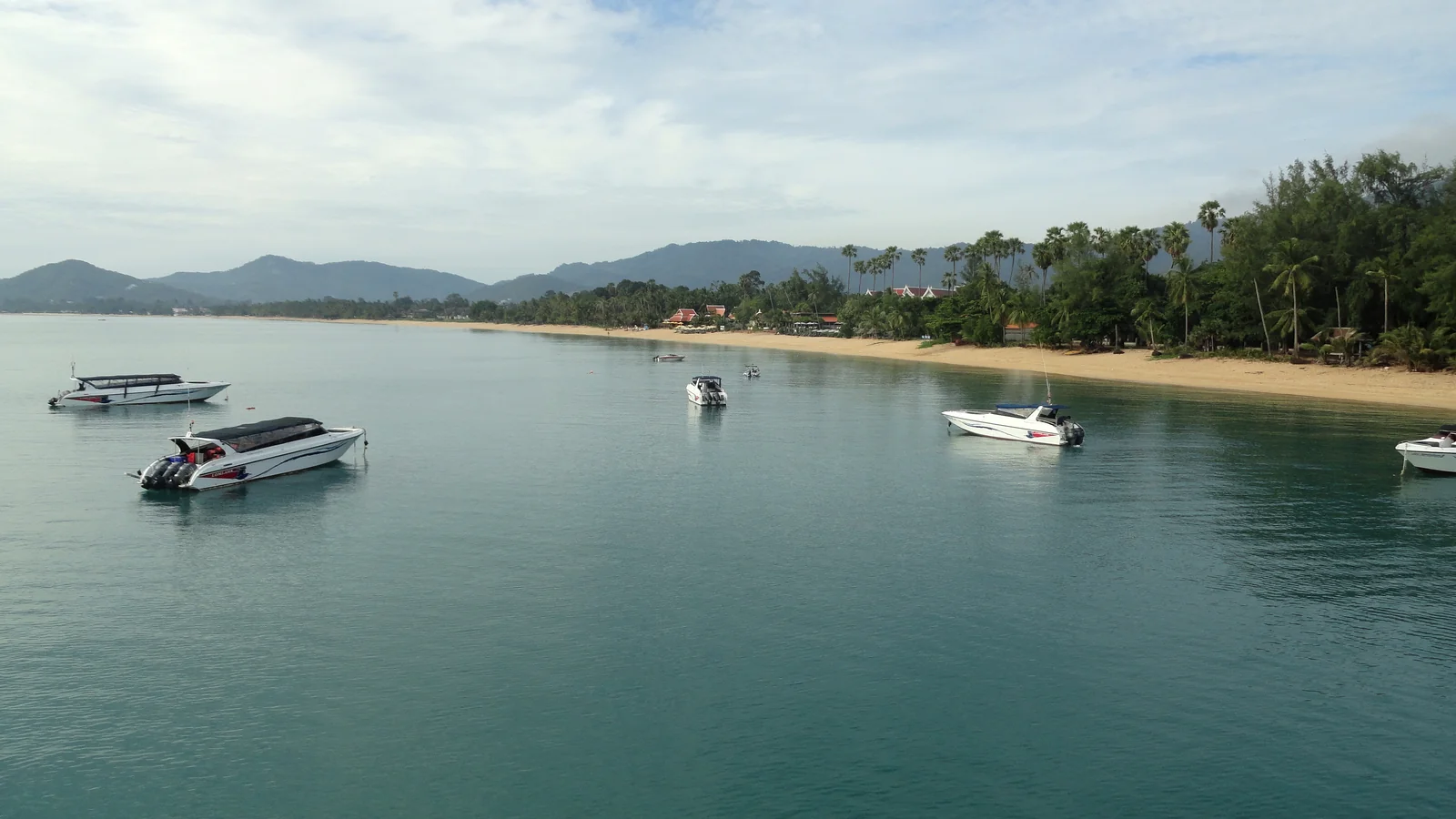
Silver Beach, the snorkel cove between Chaweng and Lamai
BEACH
Silver Beach (Crystal Bay) (หาดทองตะกั่ว)
A 200-meter cove tucked into the headland between Chaweng and Lamai, accessed by a short hill road off the main coastal route. The reef sits close to shore and the snorkelling on the south side of the bay is the best in walking distance of the main resort strip. Water clarity holds 8 to 10 meters on a calm day; the gradient is gentler than the open beaches, which makes this one of the safer family snorkel spots. A small beach club and two restaurant-bars run the short sand strip and rent loungers and umbrellas for $3 to $5 a day.
The road in is steep and the small parking lot fills by 11am on weekends. Coming by songthaew from Chaweng costs around $4 round-trip and the drivers know the turn-off. Coming by Grab is faster, but the same headland blocks signal at the bottom. Book the return car from the top of the hill before you go down. Cash for the loungers.
Coral Cove, the reef strip the snorkel boats forget about
BEACH
Coral Cove (อ่าวคอรัล)
A second small cove on the same headland as Silver Beach, 500 meters further south. The reef extends about 50 meters out and supports a healthy population of parrotfish, butterflyfish, and the occasional small reef shark in the deeper outer section. Sand quality is finer than Silver Beach but the beach is shorter, under 100 meters. Two simple beach restaurants and a dive shop sit on the sand; the dive shop runs basic guided snorkel and intro-dive sessions for those without their own gear.
Coral Cove pairs naturally with Silver Beach as a half-day from Chaweng. The order matters in the season. Mornings are calmer for snorkelling, so arrive at Coral Cove first and walk over to Silver Beach for lunch, not the other way round. Lonely Planet’s Ko Samui guide has long flagged the Coral Cove section as the underrated alternative to the snorkel-boat day trips on the more expensive Ang Thong itineraries.
Lipa Noi Beach, the west-coast sunset and the family default
BEACH
Lipa Noi Beach (หาดลิปะน้อย)
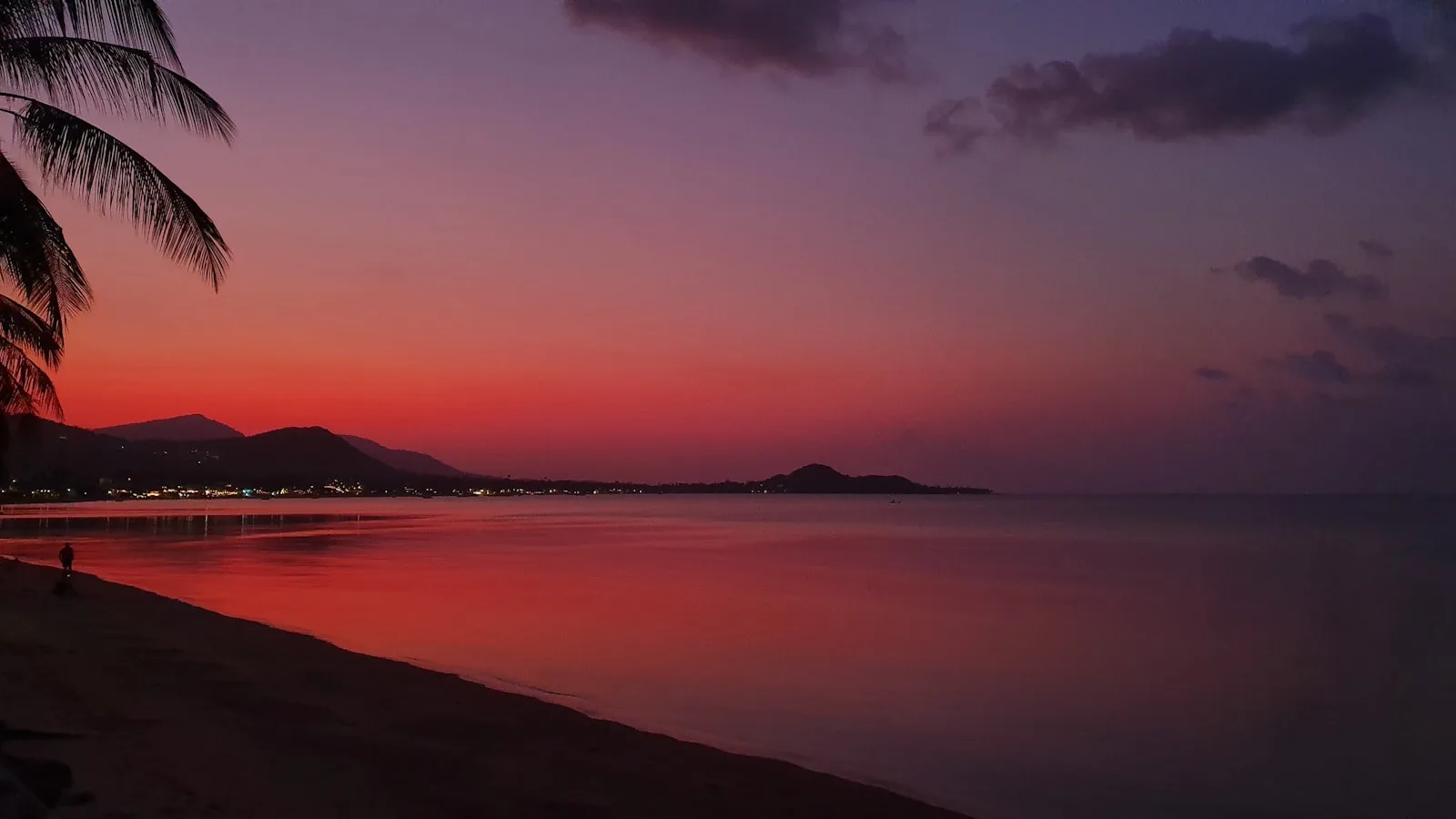
Three kilometers of calm shallow water on the southwest coast, near the Donsak ferry pier where most road-arriving travellers land. The water at Lipa Noi stays flat and shallow for nearly 100 meters out, which makes this the safest swimming on the island for children and the easiest paddleboarding for beginners. Sunset here looks over Phang Nga Bay and the Five Islands and is the calendar-shot every photographer who comes to Samui leaves with. Restaurants on the beach run a long sunset service from 5pm.
Lipa Noi is the right base for a family with very young children. The flat shallow water and the lack of any nightlife on the strip are both features here. The drawback is real distance from Chaweng. The round trip is 90 minutes by Grab and around $40 each way for the airport run. If you want both the calm side and the convenience side of the island, the answer is to stay one half of the trip on Lipa Noi and one half on Bophut.
Taling Ngam Beach, the seclusion at the bottom of the southwest road
BEACH
Taling Ngam Beach (หาดตลิ่งงาม)
The most secluded west coast beach, at the end of a long quiet road south of Lipa Noi. The bay opens onto a direct view of the Five Islands and the cliffs of Ang Thong Marine Park in the distance. Sand is yellow and the swimming is shallow with a slow gradient; the calm-water months on this side of the island run from November through April, the opposite cycle to the east coast. Two luxury properties dominate the bay and largely manage the beach access; public access is open at the southern end where the road meets the sand.
Taling Ngam is the calmest beach on this list. Bringing a packed lunch or eating at one of the resorts is the practical play. There is no village strip and no small restaurant cluster. The drive in winds across the southern hills and adds 20 minutes to anywhere worth going on the rest of the island, which is the cost of the seclusion.
Thongson Bay, the small cove the road map hides
BEACH
Thongson Bay (อ่าวท้องสน)
A 300-meter crescent cove at the northeast tip of the island, just east of Choeng Mon along an unmarked side road off the inland route. The sand is the finest on the island and the bay holds two private property frontages and one public access strip in the middle. Water clarity rivals Silver Beach and the cove is sheltered enough to stay swimmable in the November-to-January windy months when most east-coast beaches are choppy. The beach has no shops, no restaurants, and no umbrellas. You bring your own water and you take your trash out.
Thongson is the favorite of the few. The road in is the same single-lane track that delivery scooters use for the headland houses, the public-access strip is small enough that ten loungers would feel busy, and the place rewards the half-hour of effort to find it. Bring reef shoes if you plan to wade onto the rocks at the eastern end where the snorkelling is best.
How to pick the right base for the kind of trip you booked
The honest sort is by trip shape. A first-week beach trip with one of everything works from Chaweng or Bophut, with Bophut the better choice for couples and Chaweng the better choice for travellers who want the strip in their hand. A two-week stay drops the rates and the noise by moving to Lamai or Maenam, both of which still put you within a 20-minute ride of the main strip when you want it. A family with very young children goes to Choeng Mon for the swimming-pool water or to Lipa Noi for the sunset and the shallowest gradient on the island.
Two more rules of thumb. The windy months from November to January push the east coast around, so a December trip should base on Bophut, Lipa Noi, or Taling Ngam where the calm water sits in winter. The west coast goes flat in winter and choppy in summer, the exact opposite of the east. This is the answer to why so many returning visitors split a trip across two coasts.
The day-by-day pacing for which beach to spend a half-day on, which to do as a quick stop, and which to skip on a short trip is in our things to do in Koh Samui guide.
Where to stay on the Koh Samui coast
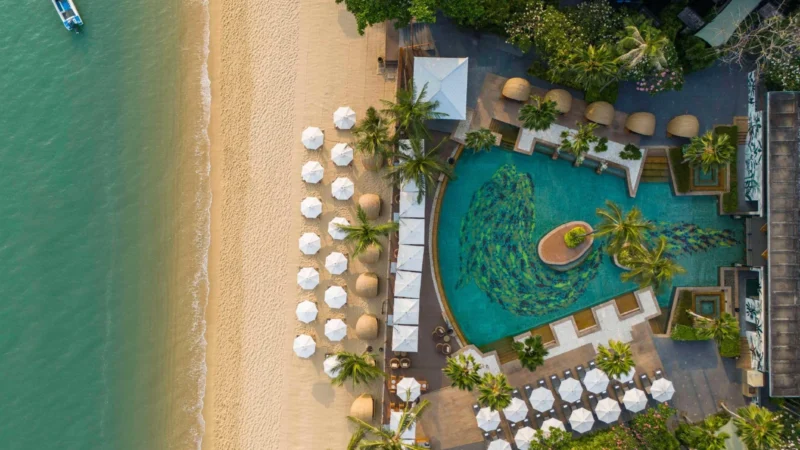
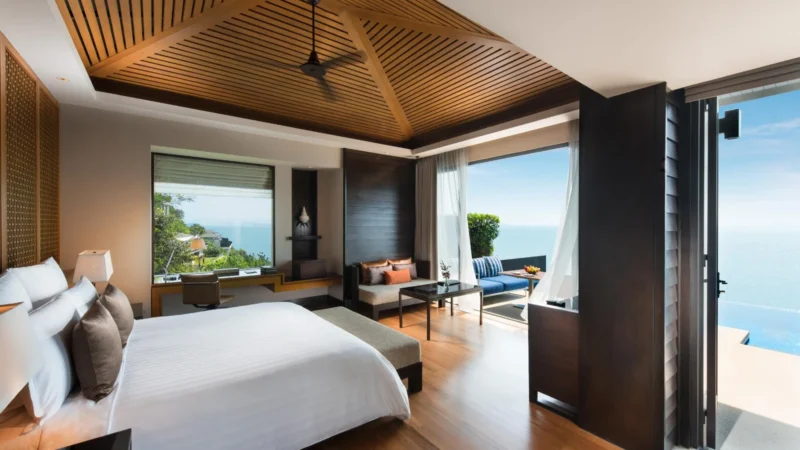
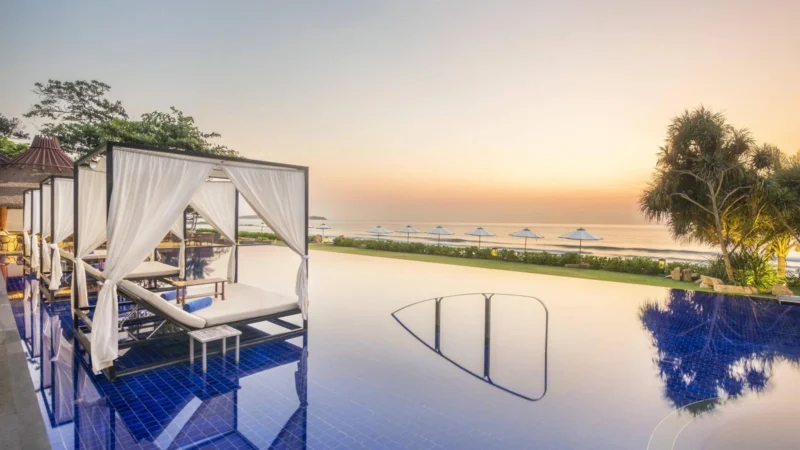
Bophut and Choeng Mon on the north and northeast coasts hold most of the SHA Plus properties at the couples-and-families price point. Chaweng has the highest density of large-resort options and the best walking-distance dining. Taling Ngam and Lipa Noi on the west and southwest are where the seclusion picks sit, with longer transfers but the calendar-shot sunsets to compensate.
For the full SHA-certified roster across all five coastal areas, see our Koh Samui hotel guide. For a deeper read on the Bophut village option, the Anantara Bophut review covers the walking-village access in detail. To slot the island into a wider trip, see our full Thailand itinerary.