At 6:45pm on a weekday, the escalator up from Wat Mangkon MRT Exit 1 lifts us into a soundscape that did not exist on the platform thirty seconds earlier. Cleaver work on a chopping block. A motor scooter horn that lasts a full second too long. The crackle of a wok being seasoned with what smells like an entire bulb of garlic. We are on Charoen Krung Road, ten paces from Yaowarat (เยาวราช), and the neighborhood has just opened for business.
This is a guide to Bangkok’s Chinatown the way long-term residents read it, not the way Google Maps suggests it. The verdict in one breath: Yaowarat is two neighborhoods stacked on the same road, and the soi you turn down within those sidewalks decides whether you eat well in twenty minutes or queue ninety minutes for the wrong dish.
Yaowarat is two neighborhoods on one road
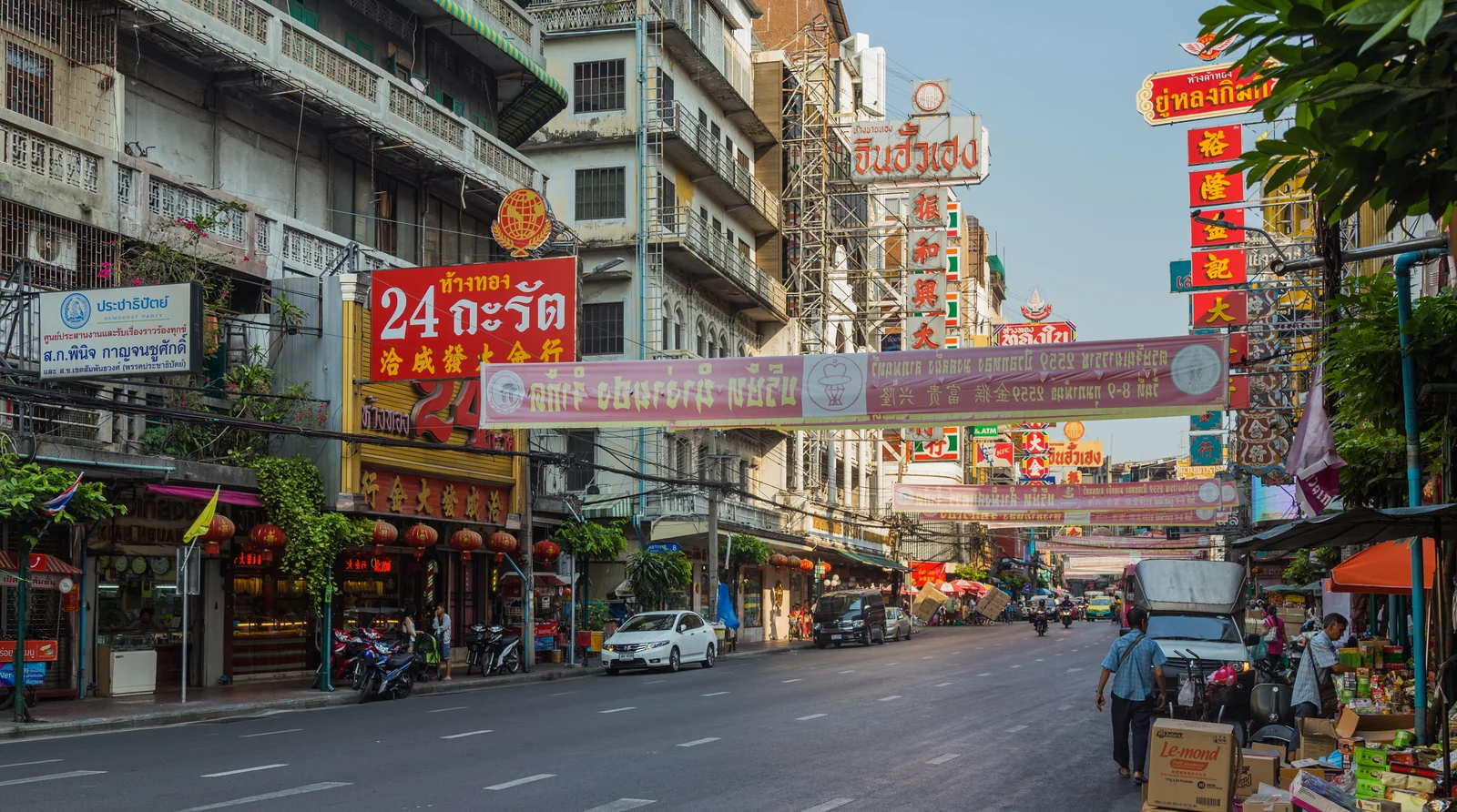
The daytime Chinatown is a temple-and-wholesale district most travelers walk straight past. Wat Traimit (วัดไตรมิตร) at the east gate. Wat Mangkon Kamalawat (วัดมังกรกมลาวาส) two MRT stops west. Sampeng Lane (สำเพ็ง) running parallel to Yaowarat for almost a kilometer with fabric, bead, and dry-goods wholesalers who pack up by 17:00. This is the Chinatown your grandmother would have visited.
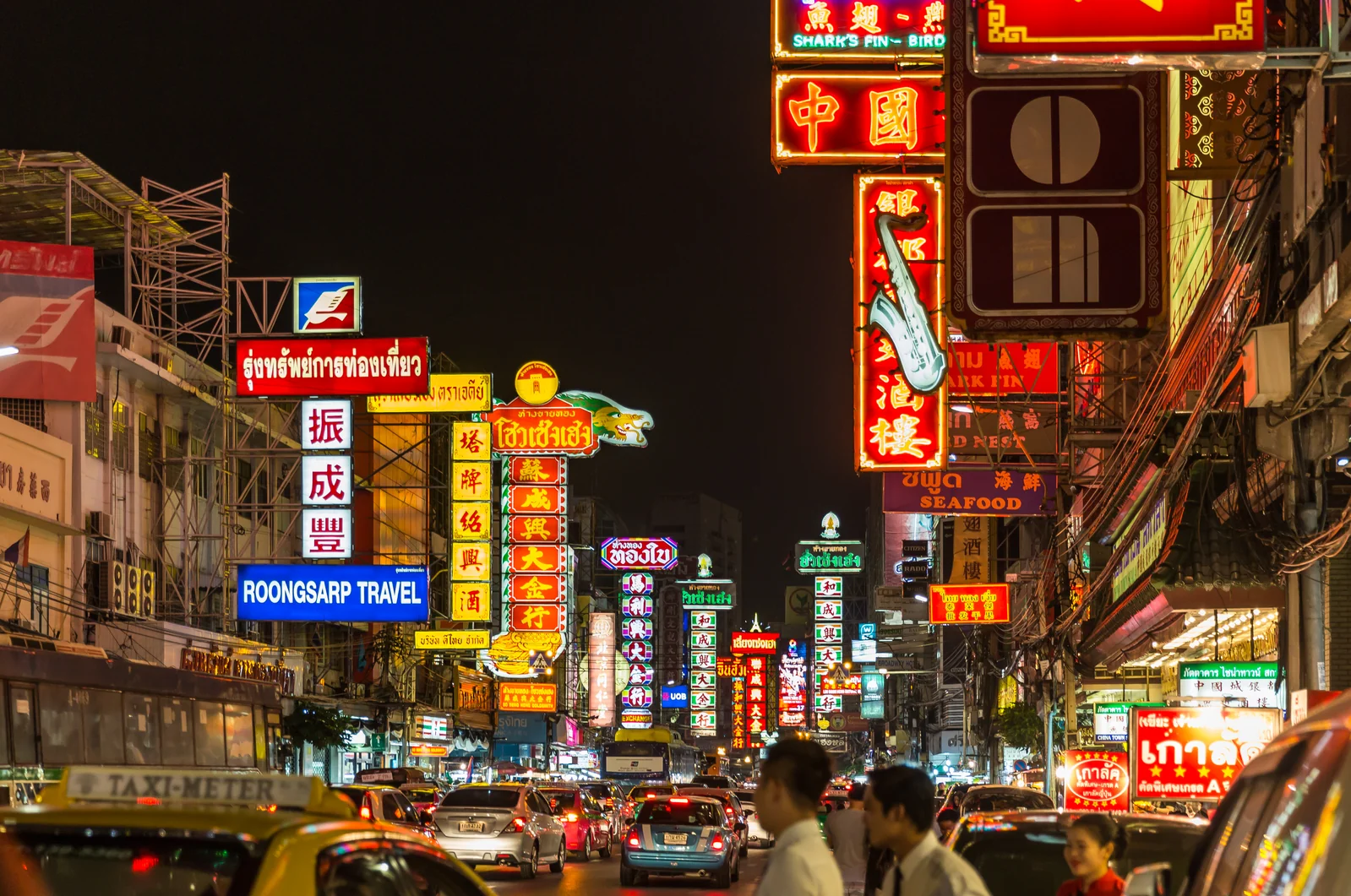
The night Chinatown is a different city. The same sidewalk that held a temple offering at 11am holds a charcoal grill at 7pm. Sidewalk stalls open between 17:00 and 18:00. Yaowarat Road’s neon signage (the same red-and-gold characters since the 1960s) lights up. By 19:30 the corridor between Charoen Krung intersection and Ratchawong intersection is a two-direction crowd shuffle, slow as a riverbank.
If we only had three hours in Chinatown, we would not try to do both. We would pick night, enter at Wat Mangkon MRT Exit 1, and walk east on Charoen Krung instead of plunging into the Yaowarat Road center.
Where to enter and which sois actually deliver
Yaowarat Road itself is the famous one, but it is not where the named food stalls live. They live in the side sois (alleys) feeding into it. Five sois carry almost every dish a first-time visitor wants:
- Soi Padungdao (ผดุงด้าว), the shellfish corner. T&K Seafood (green shirts) sets up curbside grills on one side. Lek & Rut (red shirts) sets up on the opposite corner. Twelve meters apart, comparable kitchens.
- Soi Yaowaphanit (เยาวพานิช): roll-noodle and bowls. Nai Ek Roll Noodle’s pork-and-noodle bowl from 08:00 to 24:00, the all-day workhorse for solo travelers.
- Soi Plaeng Nam (แปลงนาม): dim sum carts in front of Hua Seng Hong (ฮั่วเซ่งฮง), the sit-down restaurant most tour guides default to.
- Soi Itsaranuphap (อิสรานุภาพ): dried-goods spine in daytime, bird’s-nest soup at Sun Tek Lim in the evening, with the dried-mushroom and Chinese-medicine shophouses still open until around 18:00.
- Soi Nana (Chinatown): this is not the Sukhumvit nightlife Nana. Chinatown’s Soi Nana sits behind Yaowarat and Pannapan and turns into a late-night cocktail-and-noodle pocket after 22:00, popular with locals who do not want the Yaowarat Road crowd.
Walk to Soi Padungdao at 19:30 on a Friday and the wait at T&K Seafood typically runs 35 to 50 minutes. The same shellfish dishes at Lek & Rut on the opposite corner clear in 15 to 20 minutes. Both have been on the same intersection for over twenty years. If we are eating with a hungry party, we cross the road.
The named stalls that earn the queue
Six stalls show up on almost every honest Chinatown list (Eater, Lonely Planet, Migrationology, Thai Food Master, BBC Travel, plus our own walks). The rest are interchangeable. These are the ones we send people to first:
- T&K Seafood on Soi Padungdao corner. Tiger prawns, scallops, crab curry, BBQ squid. Opens 17:00, last orders around 02:00. Sit on the metal stools curbside. Cash only.
- Nai Mong Hoi Tod (นายหมง หอยทอด) on Phadungdao Road. Crispy oyster omelette, the version with the gelatinous-edged batter. 11:00 to 21:00. Closed Mondays. The line at 19:00 typically runs 25 minutes.
- Nai Ek Roll Noodle (นายเอ๊กก๋วยเตี๋ยวหลอด) on Soi Yaowaphanit. The pork-and-noodle bowl. Open 08:00 to 24:00, which makes it the late-arrival rescue when other stalls have closed.
- Jek Pui Curry (เจ๊กปุ้ย) at the corner of Mangkon Road and Charoen Krung. Stand-up curry-and-rice, no chairs by design. Order at the cart, eat standing, leave in eight minutes. The queue moves fast.
- Hua Seng Hong at Yaowarat and Plaeng Nam intersection. Dim sum cart outside, full-menu Cantonese restaurant inside. The cart is the more honest experience.
- Mit Ko Yuan (มิตรโกหย่วน) on Charoen Krung near the Tai Hong intersection. Thick toast with custard, soft-boiled eggs Hokkien-style. The breakfast option for travelers staying late the night before.
Three more names we keep in our back pocket. Pa Tongko Savoey serves fried dough donuts dipped in pandan custard on Charoen Krung in the morning. Tang Jai Yoo runs a sit down Cantonese kitchen with stewed goose on Phadungdao Road. Nuie & Rut Khao Tom Pla opens late on Plaeng Nam alley for the fish rice soup locals eat after 22:00.
What to skip on a first Chinatown trip
Four traps swallow first-time visitors in roughly this order:
- Jeh O Chula is not Yaowarat. The famous Tom Yum Mama-noodle bowl place that travel blogs send everyone to sits on Soi Charoen Mueang in the Sam Yan area, near Chulalongkorn University. That is roughly two kilometers southwest of Wat Mangkon MRT, a different MRT line, a separate trip. If we want it, we plan it on a different evening.
- Yaowarat Road center, 19:00 to 22:00 weekends. The corridor between Charoen Krung intersection and Ratchawong intersection becomes an unmoving crowd shuffle. The food we want is in the parallel sois, not on the road itself. Use Soi Yaowaphanit or Charoen Krung as the spine instead, and only cross Yaowarat Road when we need to switch sides.
- Sampeng Lane after 17:00. Sampeng (the wholesale market parallel to Yaowarat) is a daytime experience. By the time the food crowd arrives, the wholesale shops have rolled their shutters and the lane is a quiet shortcut, not a market.
- The “closed temple” tuk-tuk patter near Wat Traimit. A driver who says the temple is closed for prayer or a Buddhist holiday and offers a private tour of three other temples is running the same script Bangkok has heard for thirty years. Wat Traimit is open until 17:00, ticket window included. Walk past.
Around Chinese New Year (late January through mid-February depending on the lunar calendar), most of the family-run stalls on Yaowarat shut for a full week before and several days after. Yaowarat Road itself runs lions, drums, and a free-haircut tradition during the festival, which is its own draw, but the named-stall food trip we describe here cannot happen that week. The Vegetarian Festival (Tesagan Gin Je, เทศกาลกินเจ) runs nine days in September or October each year. Yellow flag stalls drop meat, dairy, and alliums. The soup at Sun Tek Lim is one of the better vegetarian holdouts.
The temples worth a daytime hour
Two anchors and a smaller third make a focused daytime Chinatown loop in around 90 minutes:
- Wat Traimit (วัดไตรมิตร), at Chinatown’s east gate. The Golden Buddha is a 5.5 metric ton solid gold seated image, Sukhothai-era. Ticket 40 baht (around 1.20 USD). Open 08:00 to 17:00 daily, last ticket sold around 16:30. Walk-up from Hua Lamphong direction, or MRT Hua Lamphong Exit 1.
- Wat Mangkon Kamalawat (วัดมังกรกมลาวาส), the largest Mahayana Chinese-style temple in Bangkok. Free entry. The smoke from the joss-stick urns can be intense. Visitors with smoke sensitivity should sit outside in the courtyard. Adjacent to Wat Mangkon MRT Exit 1.
- Wat Chakrawat (วัดจักรวรรดิราชาวาส), riverside near Pak Khlong Talat. The temple keeps two resident crocodiles in a pond, a holdover from a 19th-century river-rescue tradition. Free entry, quiet courtyards, and easy to combine with a Chao Phraya pier ride.
Wat Mangkon Kamalawat’s main hall gates close at 18:00. Wat Traimit’s ticket window stops selling around 16:30 and the temple itself closes at 17:00. We have seen too many trips end with a Wat Traimit visit at 16:45 that turns into a closed gate. If we want both, do Traimit first, then walk west to Mangkon for the late-afternoon prayer hour.
Where to base for a Chinatown-anchored trip
No SHA-quality hotel sits directly on Yaowarat Road. The closest options are riverside (across or up the Chao Phraya) and Silom/Sathorn (MRT or BTS connection). For the full picture on where to stay in the city, three picks cover the practical range:
 SHA Extra Plus
★ 9.2
SHA Extra Plus
★ 9.2
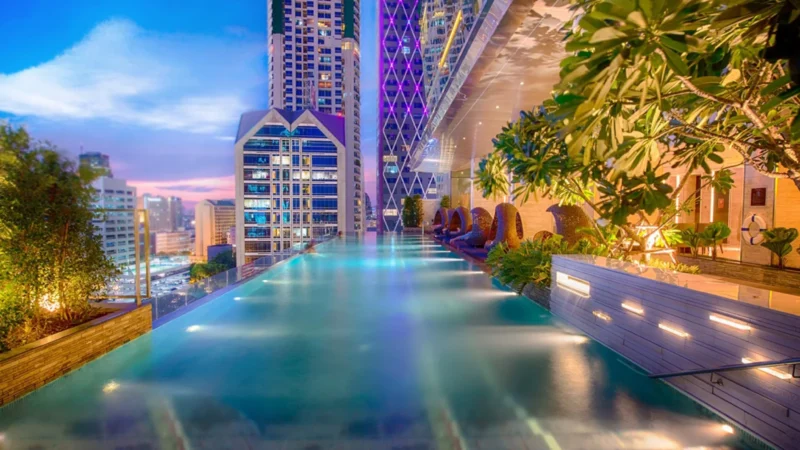
The Peninsula Bangkok
 SHA Plus
★ 9.1
SHA Plus
★ 9.1
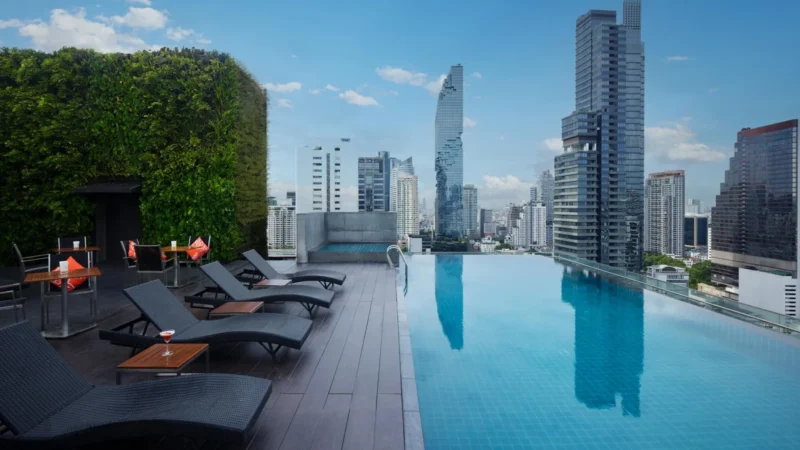
Eastin Grand Hotel Sathorn
 SHA Certified
★ 8.7
SHA Certified
★ 8.7
Amara Bangkok Hotel
The Peninsula Bangkok works for travelers who want river views, hotel boats, and a high-end base, with a 10-minute boat hop to Si Phraya Pier and a 12-minute walk into Chinatown from there. Amara Bangkok works for travelers who want MRT access and a mid-range price, with Si Lom MRT outside the lobby and two stops to Wat Mangkon. Eastin Grand Sathorn works for travelers who want BTS and a slightly cheaper room with Surasak BTS one minute from the lobby and a 12-minute taxi ride to Hua Lamphong for the Chinatown east gate.
When to go on weekday, weekend, or festival days
The honest weekly rhythm of Yaowarat eating:
- Tuesday to Thursday, 18:00 to 21:00: the sweet spot. Stalls open, queues short, sidewalks walkable, taxis still findable when we leave. This is the window we plan first.
- Friday and Saturday, 19:00 to 22:00: the crowd hour. Yaowarat Road center is unwalkable. Named stalls run 45 to 90 minute queues. Stick to the parallel sois, eat early (17:30 to 18:30), and leave before the corridor fills.
- Sunday evening: a quieter version of Friday, with fewer locals and more tourists. Several family stalls close on Sundays or open late.
- Monday: avoid for stall food. Most named carts (Nai Mong Hoi Tod, Mit Ko Yuan, several others) close Monday for the family rest day. Sit-down restaurants stay open. Use Monday for the temple loop instead.
FAQs
What is the closest MRT station to Yaowarat?
Is Yaowarat safe at night?
Do the stalls take card or only cash?
How long does a Chinatown food walk take?
When is Yaowarat impossible to walk through?
Practicalities
- Getting in: MRT Blue Line to Wat Mangkon (BL29) Exit 1 is the cleanest entry from anywhere on the Silom or Sukhumvit MRT lines. Allow 25 minutes from Asok via the Asok-to-Sukhumvit interchange.
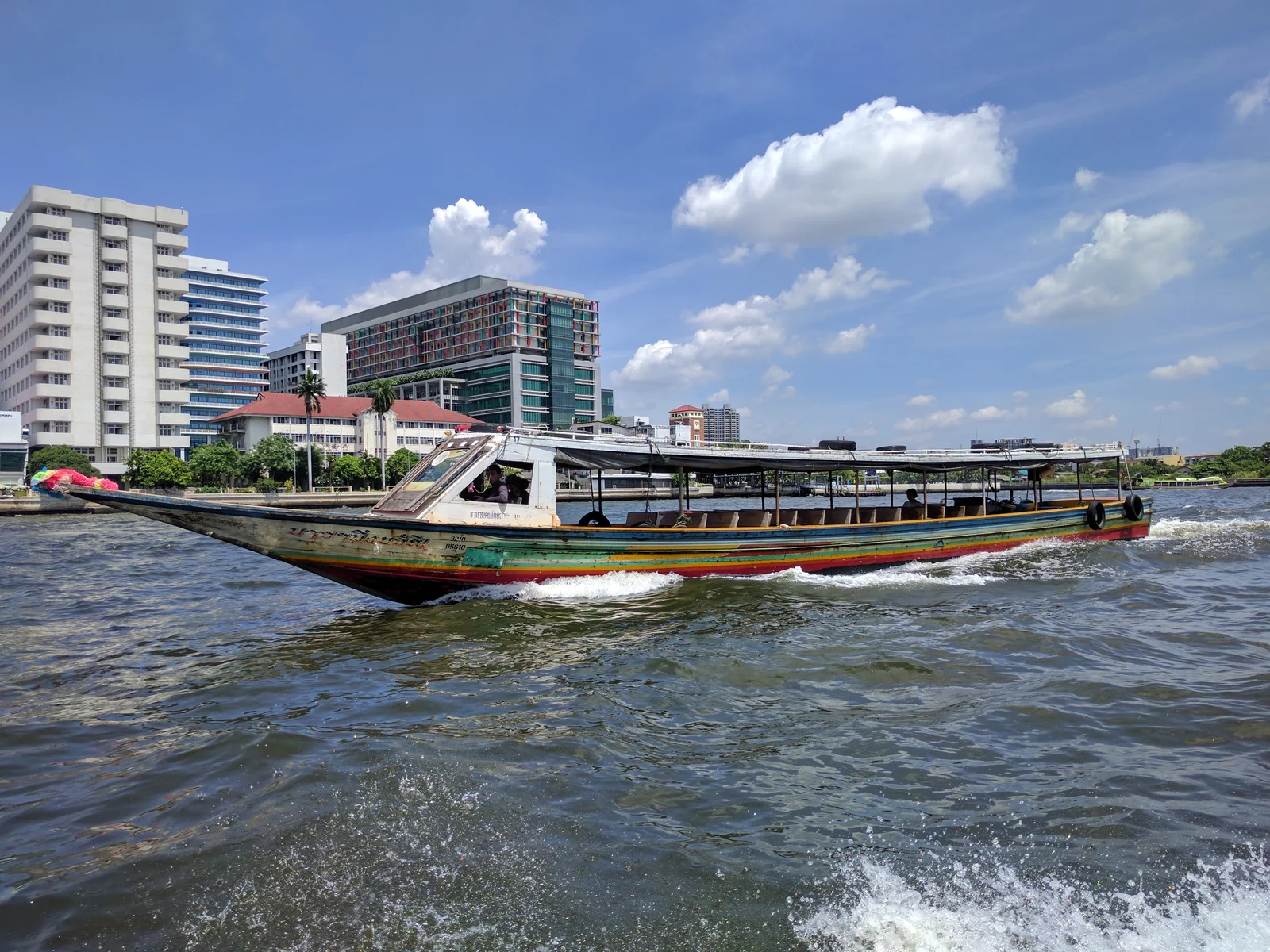
- From a riverside hotel: Chao Phraya Express Boat or hotel boat to Si Phraya Pier or Ratchawong Pier, then a 5 to 10 minute walk inland. Check riverside availability at the Peninsula Bangkok for the boat-access base.
- From Suvarnabhumi or Don Mueang: Compare BKK and DMK airport transfer options from around 20 USD one way. This route beats the taxi queue at peak hours.
- Out of Bangkok: if Chinatown is the start of a longer trip, compare the Bangkok to Chiang Mai sleeper train, bus, and flight options. The Krung Thep Aphiwat terminal is one MRT interchange from Wat Mangkon.
- Flights into Bangkok: compare current Bangkok flight prices for the season window we are traveling in. Shoulder months (May to October minus festival weeks) usually price 25 to 40 percent lower than December and January.
- Insurance: add travel insurance from around 2 USD a day. Coverage runs across monsoon delays, the small but real scooter risk if we sidetrip, and medical evacuation.
The other Chinatown reads worth pairing with this guide. Our 3 day Bangkok itinerary slots a Yaowarat evening into the second night. Our Bangkok activity list places it alongside Grand Palace, ICONSIAM, and the Chao Phraya river hop. Our Bangkok restaurant guide covers the sit down options outside the street stall format. Our Bangkok temple guide sets Wat Traimit and Wat Mangkon into the broader temple loop. Our Bangkok scam guide covers the closed temple tuk tuk patter in more detail. For the wider trip frame, see our Thailand itinerary guide.
At 9:40pm on a Tuesday in November, the Wat Mangkon MRT Exit 1 escalator going down is a different sound. The crackle of the wok and the cleaver on the chopping block have receded behind us. The platform smells of orange-peel and fryer oil that traveled with us in our clothes. A train arrives every six minutes until midnight. We board, the doors close, the cleaver sound is gone, and we already know which soi we will turn down first the next time we come back.