There’s a specific quality to Bangkok in late November that no season guide captures in a table. The sky goes clear in a way it hasn’t been since February. Temperatures drop to something that actually feels cool after dark. And the first long tail boat you take down a klong doesn’t leave you soaked through before 9am. December through February is the version of Thailand that photographs perfectly and feels, to most travelers, like the country finally delivered what the brochure promised.
Then there’s the other story. A reader wrote to us in October asking why their Koh Samui resort was half flooded and every tour was cancelled. They’d read that November was “low season” and “a good time to avoid the crowds.” They were on the Gulf coast, which runs on its own monsoon clock. Samui in November gets 445mm of rain. Those numbers don’t describe a quiet month. They describe the island’s single worst month of the year.
Thailand runs three distinct climate zones across four main bases, and the zones don’t share a calendar. Getting the timing right is less about finding “the best month” and more about matching your destination to a season it actually cooperates with.
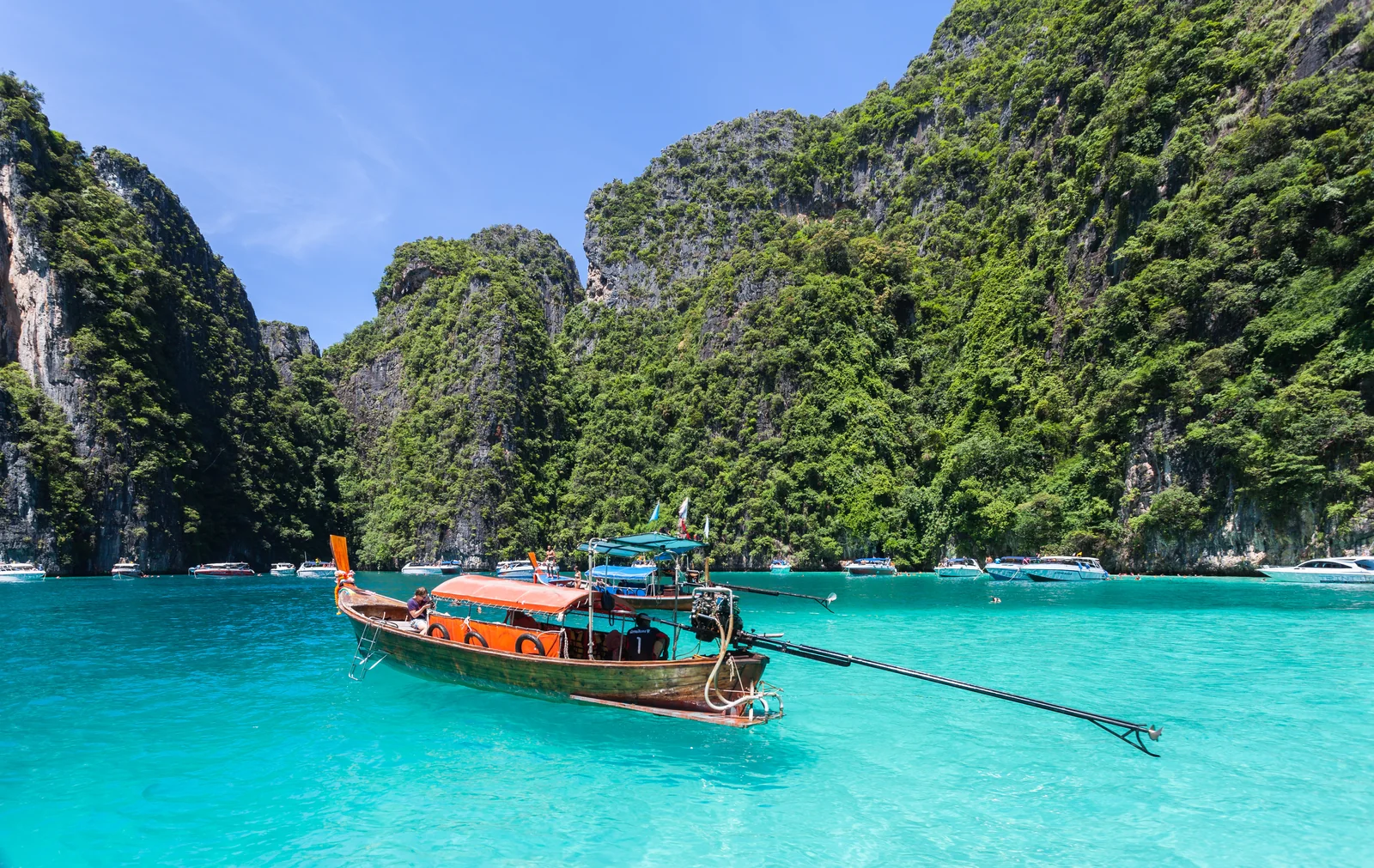 Photographer: Diego Delso. Source: Wikimedia Commons. License: CC BY-SA 3.0.
Thailand’s three climate zones
Most guides split Thailand into two seasons: wet and dry. That framing hides the detail that actually matters for trip planning.
The Andaman coast (Phuket, Krabi, Koh Lanta, Koh Phi Phi) runs on a southwest monsoon that hits in May and runs through October. November through April is Andaman dry season: long clear stretches, good visibility for snorkelling, and calm enough seas for the smaller islands.
The Gulf coast (Koh Samui, Koh Phangan, Koh Tao) runs on the opposite monsoon: the northeast monsoon hits in October and peaks in November and December. The Gulf’s wet season is roughly October through January. The Gulf’s best months are February through September, almost the exact inverse of the Andaman calendar.
Bangkok and Chiang Mai follow a third pattern. Both share the general wet season from May to October, both at their best from November to February. But Chiang Mai adds a fourth season that Bangkok doesn’t have: the burning season from February through April, when agricultural burning across northern Thailand and Myanmar drives AQI into the 300-700 range. That’s hazardous air quality for everyone, not just travelers with respiratory conditions.
Most “best time to visit” guides treat Thailand as one climate zone. The practical consequence is travelers arriving on the Gulf islands in November with Andaman-coast expectations. Koh Samui’s worst month is November. Phuket’s best months start in November. If your trip mixes both coasts, the coastal leg should drive the timing decision.
November through February is when Thailand peaks
November through February is the period when all three zones are either at their best or close to it, with the Samui exception. Bangkok is driest in December (5mm average) and coolest at night. Chiang Mai gets down to 15°C in January and the air is clean. Phuket and Krabi get clear skies and calm water. The Andaman islands are at their most photogenic.
The trade is price and crowds. Hotels across the Andaman coast run 30 to 50 percent above the quiet season rates from November onwards. The Christmas to New Year week is the most expensive travel period in Thailand. Book 3 months out for any Andaman property during the December peak. Chiang Mai fills up at the same time and Loy Krathong (November 25 in 2026) brings the city’s biggest overnight crowds of the year.
For most first time visitors, November and early December are the sweet spot before prices peak. The country is at its most usable across the most destinations. February is the quieter end of peak season, after Chinese New Year (February 17 in 2026) and before Songkran in April. Bangkok is hot by February but still comfortable in the mornings.
Andaman coast and the long dry season
Phuket, Krabi, Koh Phi Phi, and Koh Lanta all share the Andaman calendar. November through April is the dry season, with the best water clarity and calmest sea conditions falling in January and February. March brings some afternoon heat but beach conditions remain excellent. April starts the transition: rainfall builds, and by May the southwest monsoon is in full effect.
Hua Hin on the upper Gulf stays drier than the islands through the October peak, which makes it a useful beach base when the islands turn wet. See our best hotels in Hua Hin guide.
May through October on the Andaman coast is manageable for travelers who accept the weather, not travelers who are hoping it improves. Rainfall in September averages 325mm at Phuket. Hotels discount heavily (50% is common) and the smaller islands see boat service reduced or suspended.
One note on October: the Andaman side still runs 315mm of rainfall that month, which means most island hopping itineraries that include Koh Phi Phi or Koh Lanta are unreliable. November is still 195mm early in the month at Phuket before it clears. Plan Andaman trips for mid-November onwards if high season pricing is a constraint.
 Photographer: CEphoto, Uwe Aranas. Source: Wikimedia Commons. License: CC BY-SA 4.0.
Chiang Mai and why March is the hard cutoff
Chiang Mai from October through February is the best version of the city: cool enough for proper sleep, dry, and clear. The cool season peaks in December and January when overnight temperatures drop to 15°C. It’s genuinely cool by Thai standards, and the city’s outdoor coffee shops and night markets are at their most pleasant.
February is where the seasonal calendar forks. The Andaman coast is still excellent. Bangkok is warm but fine. Chiang Mai, however, starts its burning season. Agricultural burning across the north and across the border in Myanmar raises particulate matter to levels that make outdoor time unpleasant and, for anyone with lung conditions, actively harmful. By March, AQI readings of 300 to 700 are common. The worst weeks typically fall in March and the first half of April.
The smog season gets a soft mention in most English travel guides. “Those with respiratory conditions should avoid March to April” understates the reality. An AQI of 300 is more than six times the WHO’s safe exposure limit. Tourism to Pai and the surrounding hill towns dropped over 90 percent in recent years during peak smog weeks. It’s not a caveat. It’s a hard travel prohibition for those months.
Chiang Mai’s burning season AQI is trackable in real time at iqair.com. If you’re flexible on dates and Chiang Mai is on your itinerary, check the 14-day AQI forecast before confirming. The smog clears reliably once the rains start in late April or early May. A trip delayed by two weeks can be the difference between 300+ AQI and a completely clear city.
Koh Samui and the Gulf run the inverse monsoon
The Gulf coast runs on the northeast monsoon, which means its worst months are roughly the opposite of the Andaman coast. Koh Samui averages 445mm in November and 265mm in December. Those are not low rainfall numbers. They are the highest rainfall months on the island.
The Gulf’s best months are February through May. Koh Samui in March, April, and early May sits at 85 to 115mm with blue sky stretches between showers. The water is warm, the resorts are quieter than during the December rush, and hotel rates run below the December floor. See the best hotels in Koh Samui for these dry-season months. Koh Phangan and Koh Tao follow the same calendar.
June through September is manageable on the Gulf side. August sits at around 100mm, which is the same order as a wet week in London, not the wall of water reality of September on the Andaman coast. Travelers coming to Thailand in July and August who want beaches are better positioned on the Gulf than on the Andaman.
October is where both coasts converge on their wet seasons simultaneously: Phuket at 315mm, Samui at 295mm. For most of October, no Thai coast is at its best. Chiang Mai is the best call in October, tapering off to 120mm and clearing fast.
Songkran April 13 and what it’s actually like
Songkran is the Thai New Year, and it runs April 13 to 15 in 2026. The country throws water. All of it. All day. For three consecutive days.
Bangkok’s Silom Road and Khao San Road are the city’s two centres of gravity for Songkran. Chiang Mai is the most intense: the old city moat becomes the arena, and the water fights run from early morning through evening for the full three days. There is no dry street in either city during peak Songkran hours. You accept that before you arrive.
Songkran is the best reason to be in Thailand in April and also the honest case for not being there in April. The heat is at its annual peak: Bangkok hits 36°C with high humidity. Chiang Mai in mid-April is also at its hottest, and the smog season may still be present in the week before the rains start. Anyone who dislikes heat and water and crowds together has a cleaner trip by a month either side.
Book accommodation 4 to 6 weeks in advance for any Songkran city destination. The hotels near Bangkok’s Silom and Khao San sell out earlier than Christmas week. Transport between cities during the Songkran long weekend is at annual peak demand.
Loy Krathong in November, Thailand’s prettiest night
Loy Krathong falls on November 25 in 2026. Thais release small lotus shaped floats carrying flowers, candles, and incense onto rivers and canals. Chiang Mai celebrates the concurrent Yi Peng festival by releasing paper lanterns into the sky. When hundreds of lanterns rise at the same time above Mae Ping River, the effect is the single most photographed image Thailand produces each year.
The timing aligns well. Late November places Chiang Mai in its best weather window after the rains have cleared and before the burning season begins. Bangkok is dry. The Andaman coast is recovering. For a multi city trip that ends in Chiang Mai for Loy Krathong, mid-November is the compound win: good weather almost everywhere, festival at the finish.
 Photographer: Diego Delso. Source: Wikimedia Commons. License: CC BY-SA 3.0.
Yi Peng lantern release events in Chiang Mai require a ticket. The major event is typically held 2 to 3 days before or after the official Loy Krathong date, at a venue outside the city. Tickets sell out weeks in advance. Book through the organiser directly rather than scalpers, who charge 300 to 500 percent above face value during peak weeks.
Loy Krathong at the Bangkok riverfront is calmer and more accessible than the Chiang Mai version but loses some of the Yi Peng drama. Wat Pho and Asiatique on the Chao Phraya both draw large crowds for the float releases. If you want the lanterns, plan for Chiang Mai. If you want a quieter version of the same tradition, Bangkok on the same night is genuinely beautiful.
Monthly weather across all four bases
A reference for trip planning. Ratings are out of 5 for general visit quality. Quiet-season discounts are common from May through October across most properties.
- January. Bangkok 23-33°C, 15mm. Phuket 23-33°C, 35mm. Chiang Mai 15-30°C, 10mm. Koh Samui 24-29°C, 125mm. Overall 4/5 except Gulf side still recovering from NE monsoon.
- February. Bangkok 25-34°C, 20mm. Phuket 23-34°C, 40mm. Chiang Mai clear but burning season building. Koh Samui improving fast at 65mm. Overall 4/5.
- March. Bangkok 26-35°C, hot and dry. Phuket 23-34°C, still good. Chiang Mai smog peaks. Avoid the north this month. Koh Samui manageable at 115mm. Overall 3/5.
- April. Songkran Apr 13-15. Bangkok 27-36°C. Phuket 24-34°C, 125mm, wet season starting. Chiang Mai hottest month plus worst AQI. Gulf islands decent. Overall 3/5.
- May. Wet season starts Bangkok and Phuket (295mm). Rains start Chiang Mai but smog clears. Gulf still building. Overall 2/5.
- June-August. Bangkok and Phuket deep monsoon. Gulf coast (Koh Samui, Koh Tao, Koh Phangan) at 100-135mm and manageable. Best months for Gulf beach travel on a budget. Overall 2/5.
- September. Wettest month Bangkok (335mm) and Phuket (325mm). Chiang Mai very wet. Gulf coast still OK at 120mm. Overall 1/5.
- October. Both coasts heavy: Phuket 315mm, Samui 295mm. Chiang Mai tapering to 120mm. Best base is Chiang Mai or Bangkok. Overall 2/5.
- November. Bangkok and Chiang Mai excellent (50mm each). Loy Krathong Nov 25. Phuket recovering (195mm early, clearing fast). Koh Samui at its worst (445mm). Overall 3/5 except Gulf coast.
- December. Best Bangkok month (5mm, cool nights 23°C). Chiang Mai excellent (20mm, 16°C nights). Phuket recovering well (80mm). Koh Samui still very wet (265mm). Overall 4/5 except Gulf coast.
Where to stay, SHA-certified picks by season
Peak season means committed advance booking. A few starting points across the three main bases, all SHA-certified properties with strong high season availability records.
 SHA Extra Plus
★ 9.1
SHA Extra Plus
★ 9.1
Mandarin Oriental Bangkok
 SHA Extra Plus
★ 9.2
SHA Extra Plus
★ 9.2
Four Seasons Resort Chiang Mai
 SHA Plus
★ 9.1
SHA Plus
★ 9.1
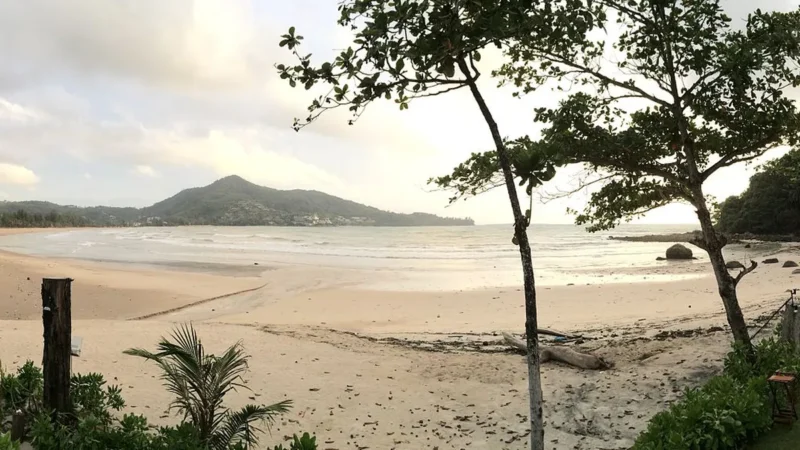
InterContinental Phuket Resort By IHG
For city-specific coverage of SHA-certified hotels, see our Bangkok hotel guide, Chiang Mai hotel guide, and Phuket hotel guide. The Thailand cost of travel guide covers how season affects hotel pricing across all four bases with specific 2026 numbers.
Travel insurance is worth locking in before confirming any trip timing around Songkran or the wet season months. A Thailand travel insurance plan starts at about $1.20 per day including medical evacuation, which matters most during the rainy season when road conditions and boat swells carry more risk than the peak months.