The smoke arrives before you see the stall. You follow it down a narrow lane off Mahachai Road, past a woman sorting limes into a bucket, past a man on a motorbike who doesn’t slow down. Then you’re standing in front of a blackened wok and a queue that has been here since before the city woke up. Bangkok earns its reputation at street level, one bowl at a time. But it earns it at altitude too, in dining rooms where chefs have built entire philosophies around the food their grandmothers cooked. This city doesn’t pick a lane. It holds all of them, and holds them well.
What follows is a guide to ten restaurants that represent that range honestly. Fine dining that deserves the accolades. Mid-range Thai that makes the accolades feel beside the point. International cooking that has found its way into Bangkok and stayed. And street food that reminds you why the city made you hungry in the first place. Book ahead where it says to book ahead.
Fine dining and Michelin-starred restaurants in Bangkok
 Photographer: Chainwit.. Source: Wikimedia Commons. License: CC BY-SA 4.0.
Bangkok’s Michelin scene runs deeper than most cities its size. These three restaurants each justify the hype in completely different ways.
The detail that caught us on the booking side: the hardest tables open their reservation window on a fixed calendar date, not a rolling one. Sorn and Gaggan Anand both released a fresh month of seats at midnight Bangkok time on the day we checked, and the prime evening slots were gone within the hour. Set a reminder for the release date rather than calling a week out, and treat anything Michelin-recognized like a flight you book early.
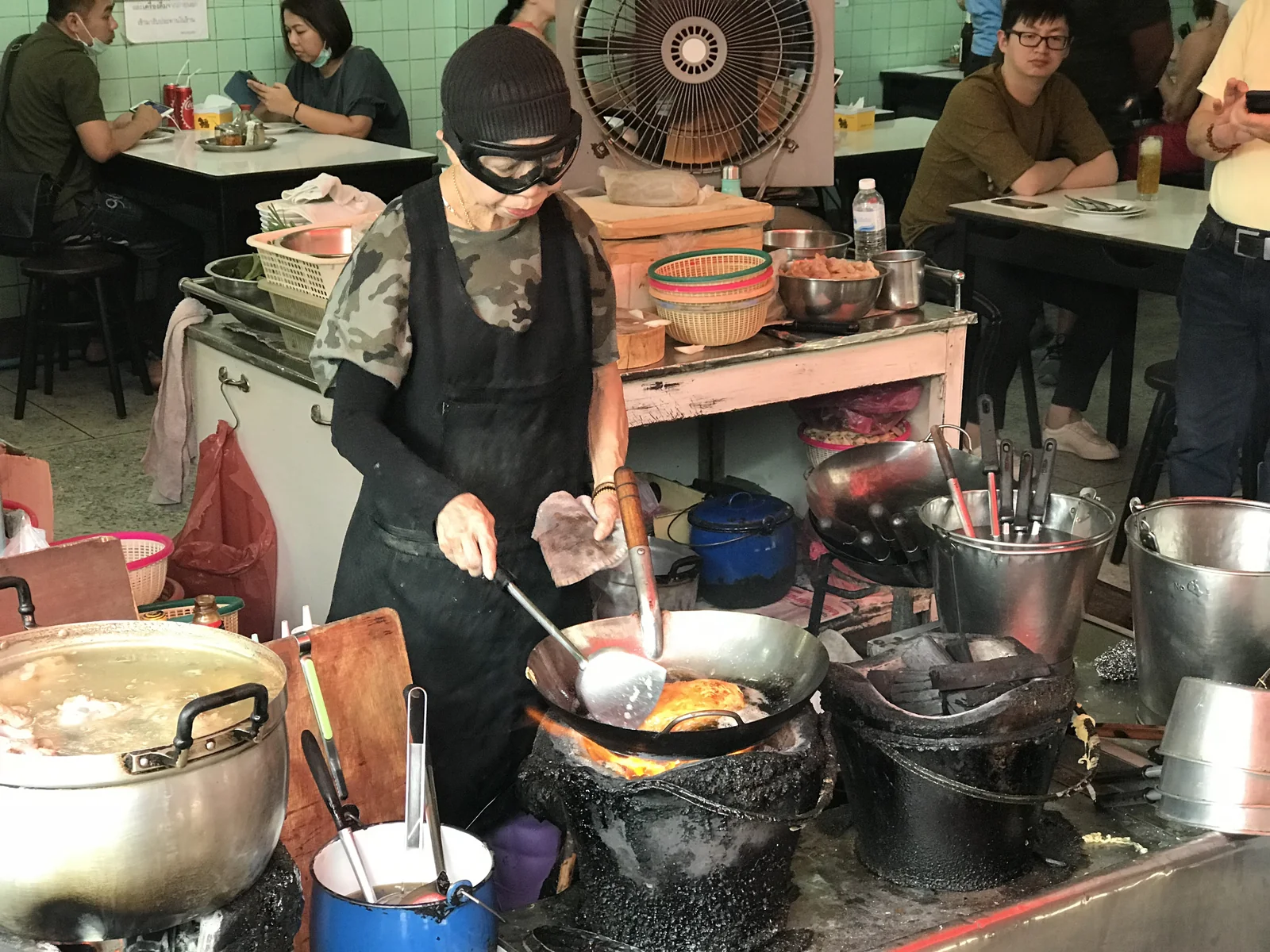
Jay Fai is the only street-food stall in the world to hold a Michelin star, and it sits with you differently once you've eaten there. Ratchawong Wongduan has cooked behind the same two woks for decades, wearing the same ski goggles against the heat, and her crab omelet, khai jeow puu, is the reason people set alarms. The egg is thin and blistered at the edges, folded over a crab filling that is mostly crab. It costs around $29 and it is worth it without qualification. The queue before 11am is real and the stall closes once the crab runs out. This is not a casual lunch option. Plan your morning around it.
 FOOD
FOOD
Jay Fai (เจ๊ไฝ)
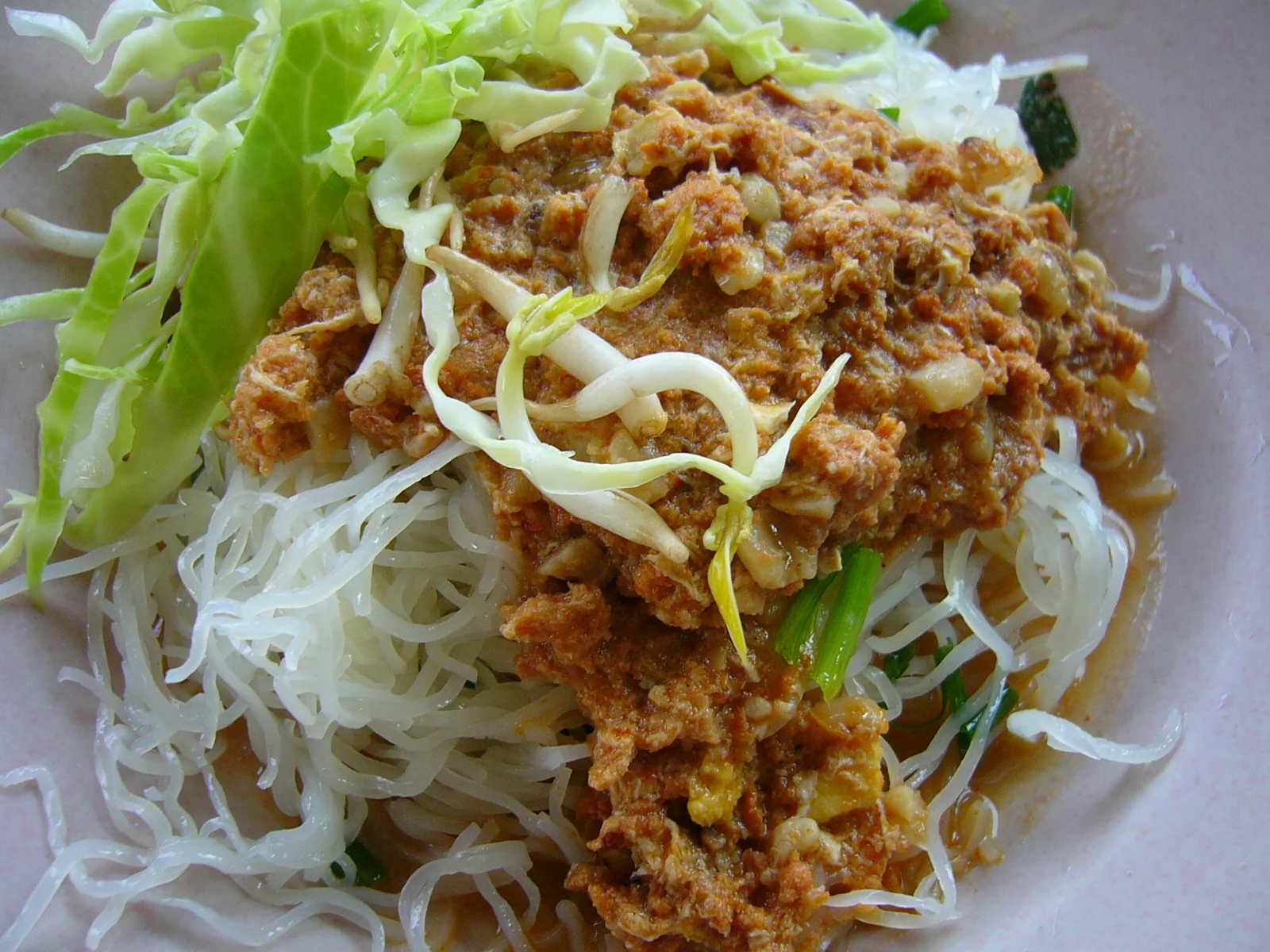
Three Michelin stars and a cooking philosophy that treats southern Thai cuisine as a living document (Michelin Guide Thailand, 2026). Chef Supaksorn Jongsiri sources ingredients from producers he knows by name, and the tasting menu changes with the season rather than the calendar. You'll notice later, after the meal has ended, that nothing felt forced. The crab curry with betel leaves is the dish that keeps coming back to mind. Sorn doesn't do à la carte: the tasting menu runs $130 per person before wine, and reservations fill weeks in advance. If you're comparing Bangkok's fine dining on a single trip, this is the one to anchor the itinerary around.
 FOOD
FOOD
Sorn (สรร)
 FOOD
FOOD
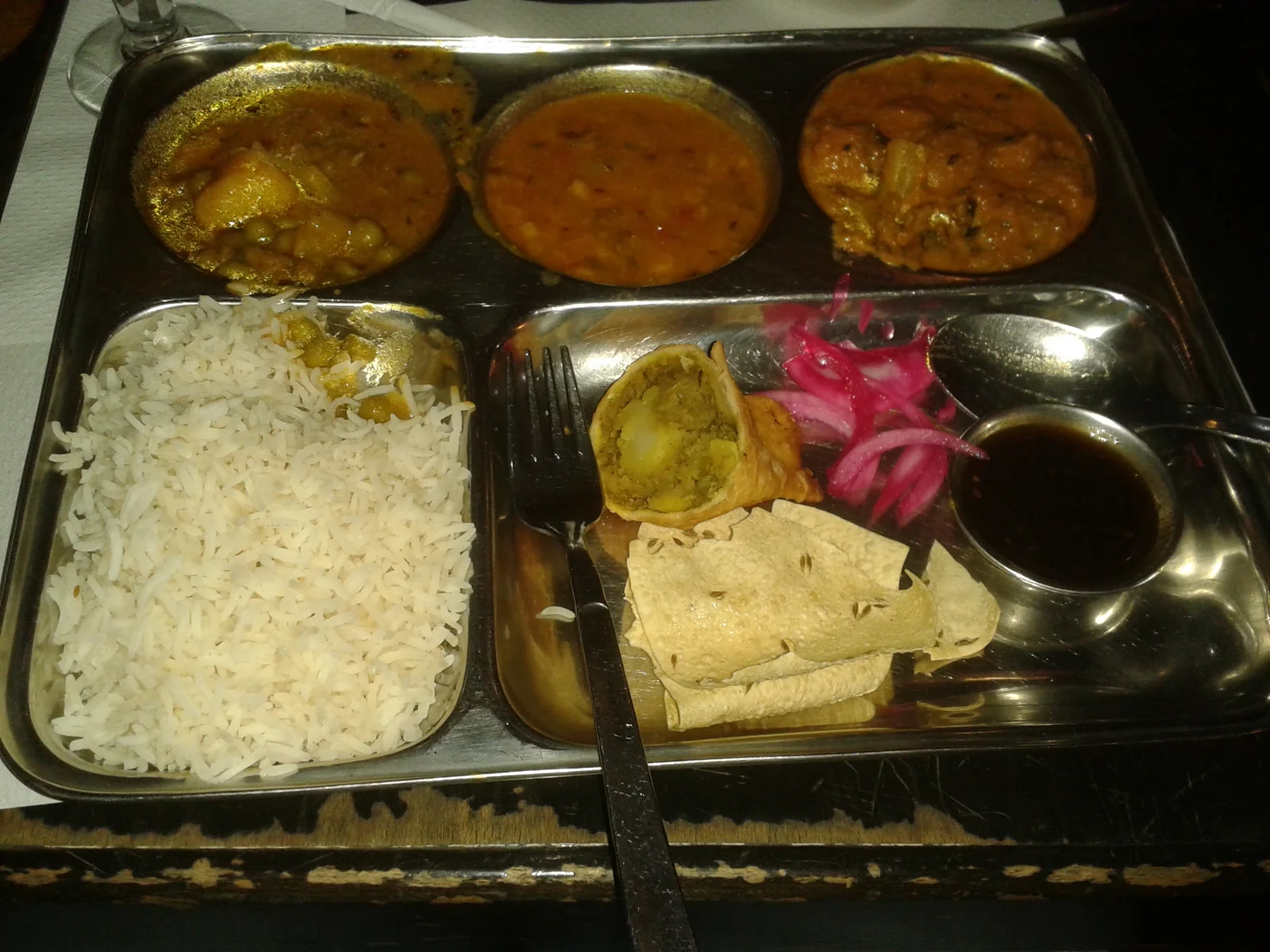
Gaggan Anand
Mid-range Thai restaurants worth booking a table at
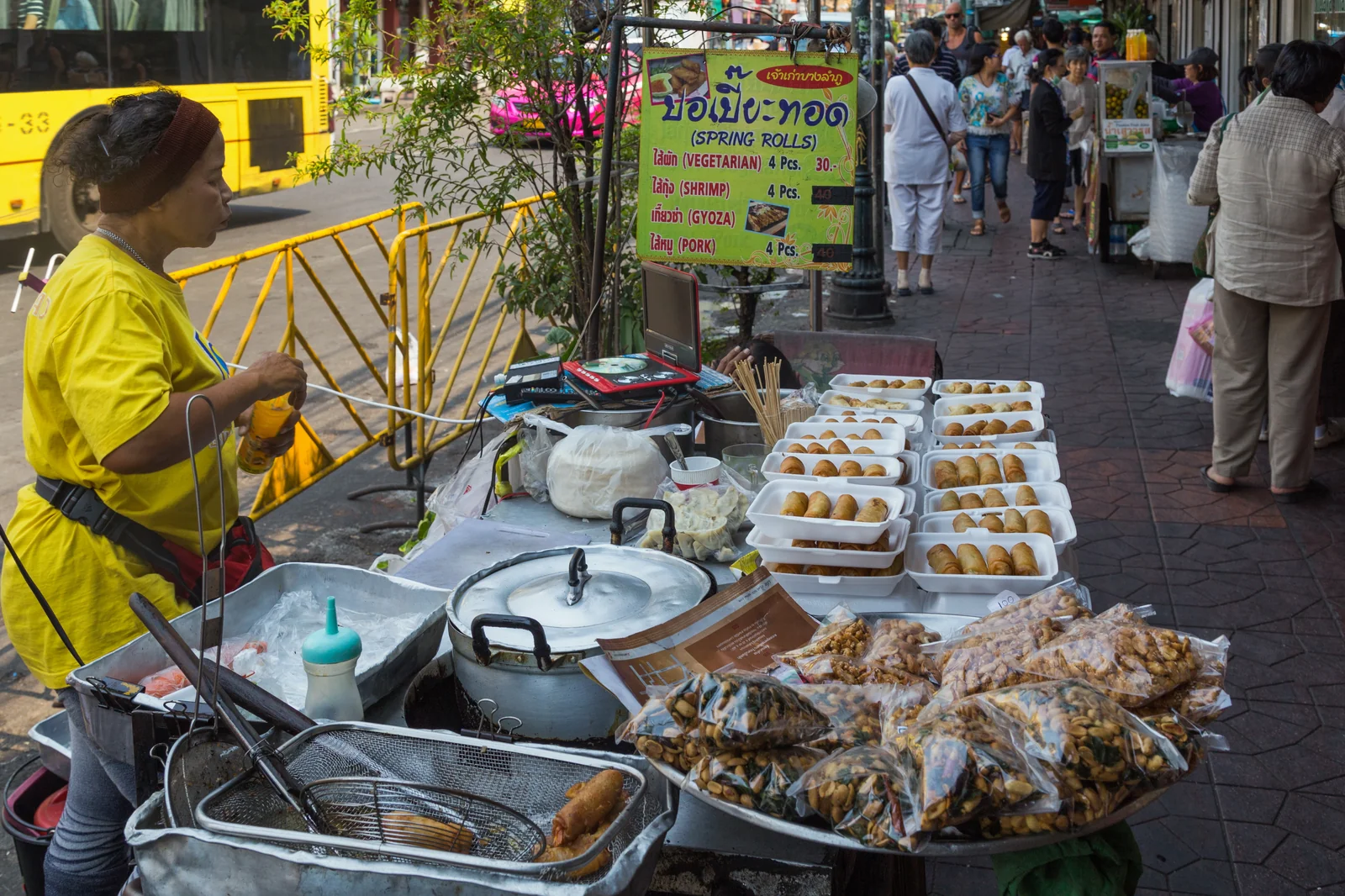 Photographer: Marcin Konsek. Source: Wikimedia Commons. License: CC BY-SA 4.0.
The version of Bangkok that most travelers fall in love with lives here: serious Thai cooking at prices that don’t require a special occasion.
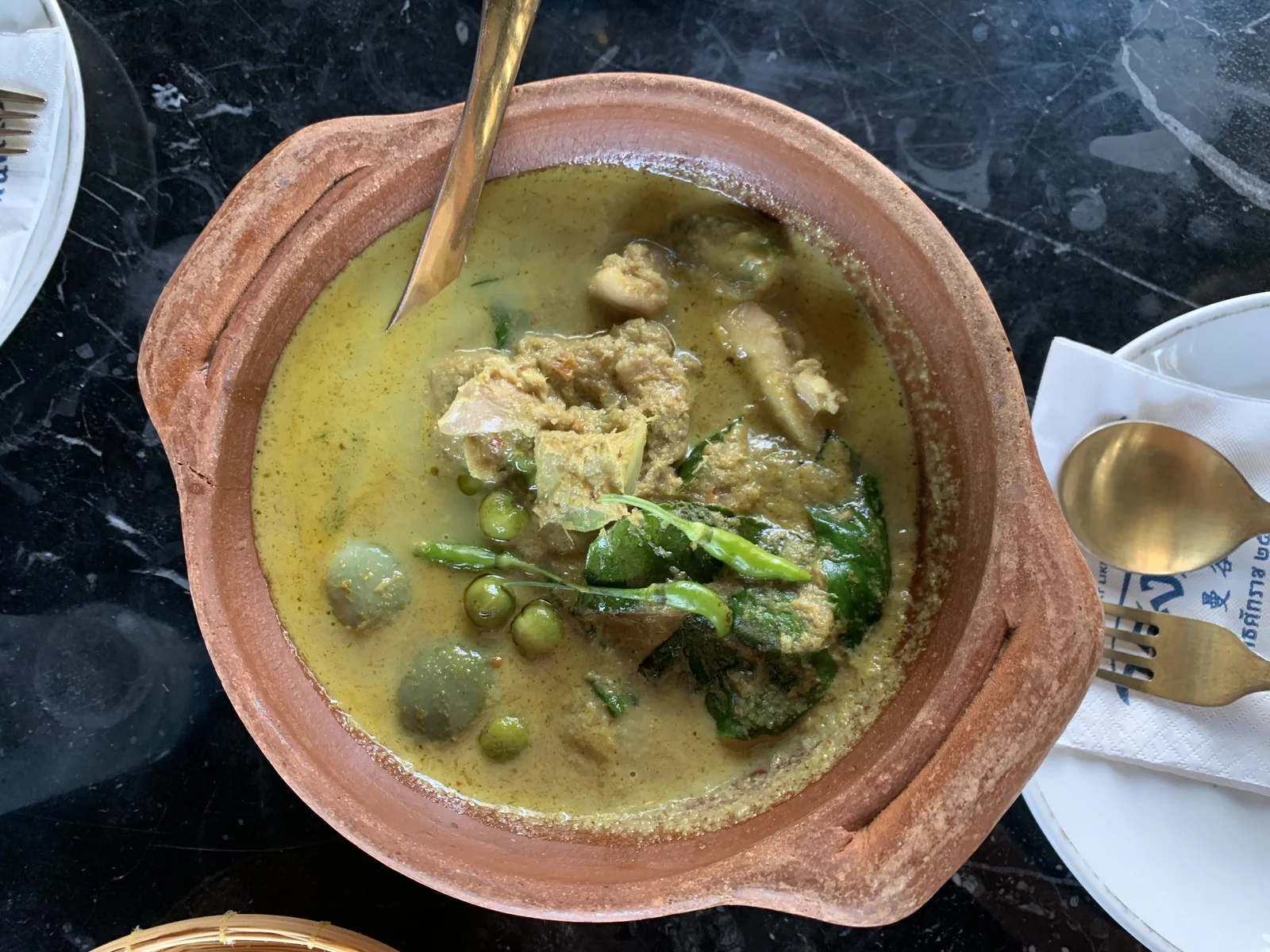
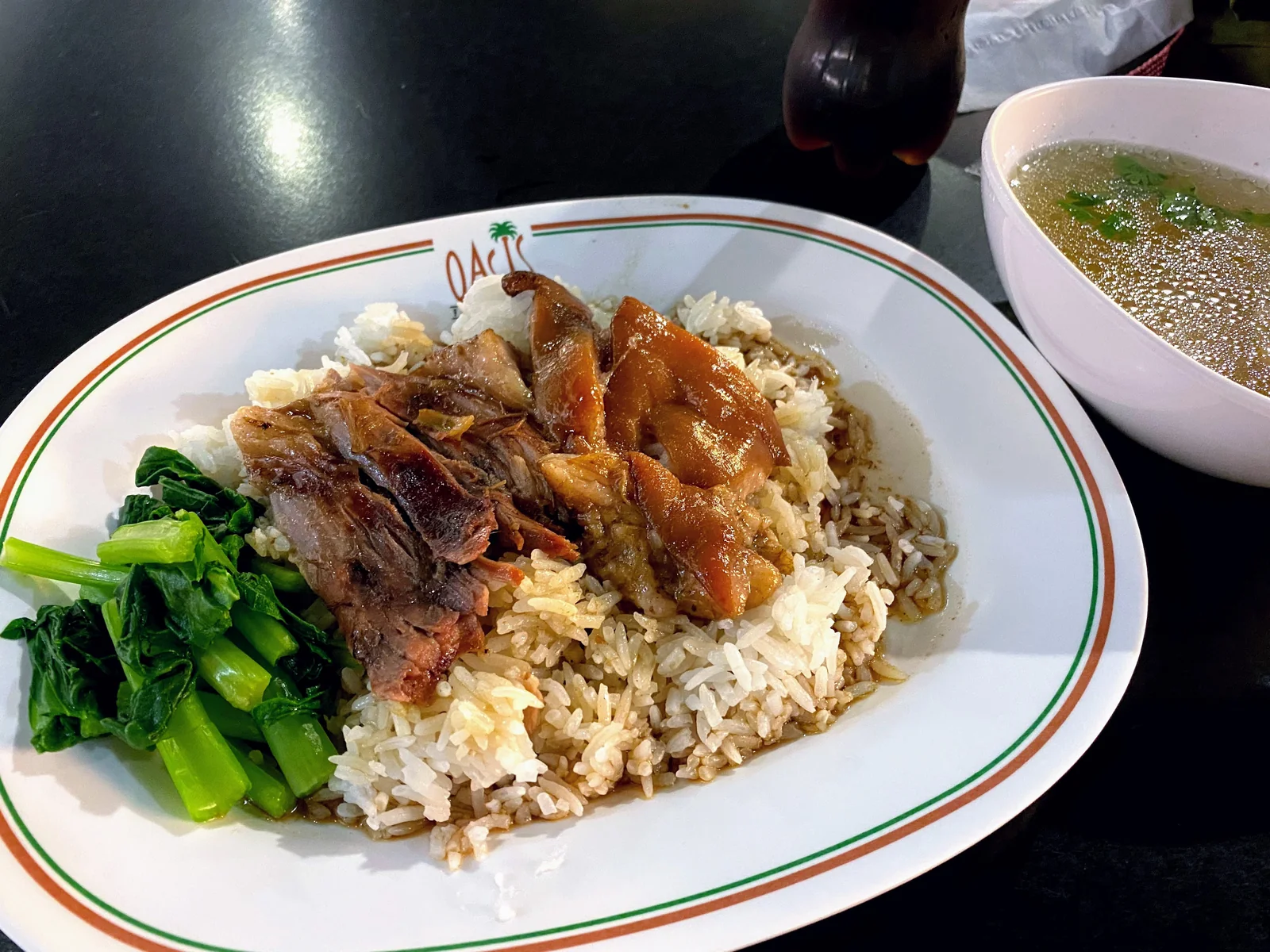
Supanniga finds its way into nearly every Bangkok food conversation, and it earns the mention. The recipes come from the owner's grandmother, a Trat province family archive that includes a slow-cooked crab curry and a braised pork leg that makes a case for simplicity. The Thonglor and Tha Tian locations both work. Tha Tian has the riverside light, Thonglor has the energy. Multiple branches means walk-in is often possible on weekday lunches, but weekend evenings book out. Not the right choice if you want a representative meal of Bangkok in general: this is eastern Thai, and it stays loyal to it.
 FOOD
FOOD
Supanniga Eating Room (สุพรรณิการ์)
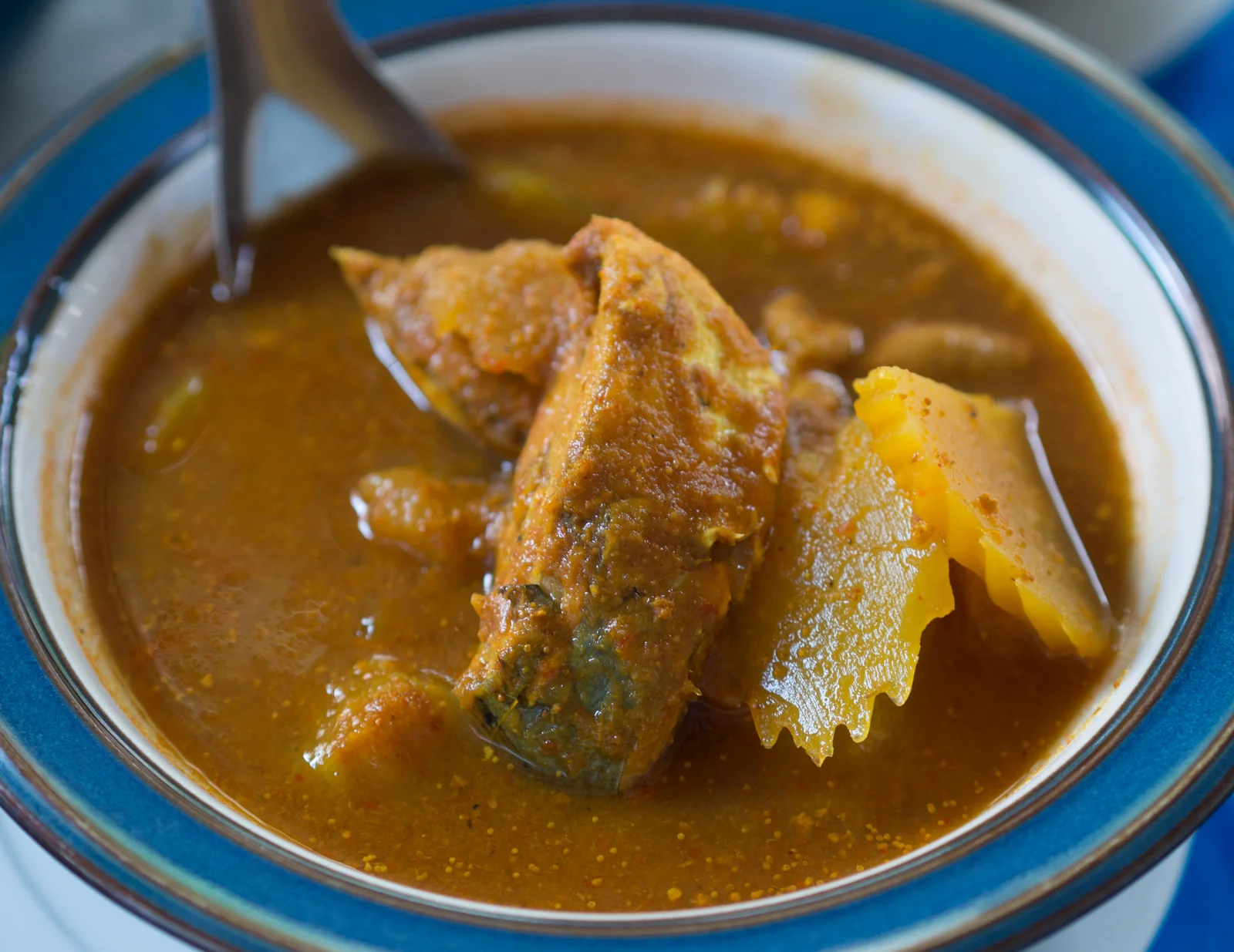
Bo.lan is where you go when you want Thai food taken seriously on its own terms, without the concessions most restaurants make for foreign palates. Bo Songvisava and Dylan Jones have built a menu around seasonal, organic Thai ingredients, and the tasting menu format means you eat what's ready, not what's popular. The set meal includes fermented pastes, cured items, and dishes from northern, central, and southern traditions in a single sitting. What takes longer to say is how considered it all feels: nothing here is accidental. Service runs slow when they're full, so don't come with a tight schedule.
 FOOD
FOOD
Bo.lan (โบ.ลาน)
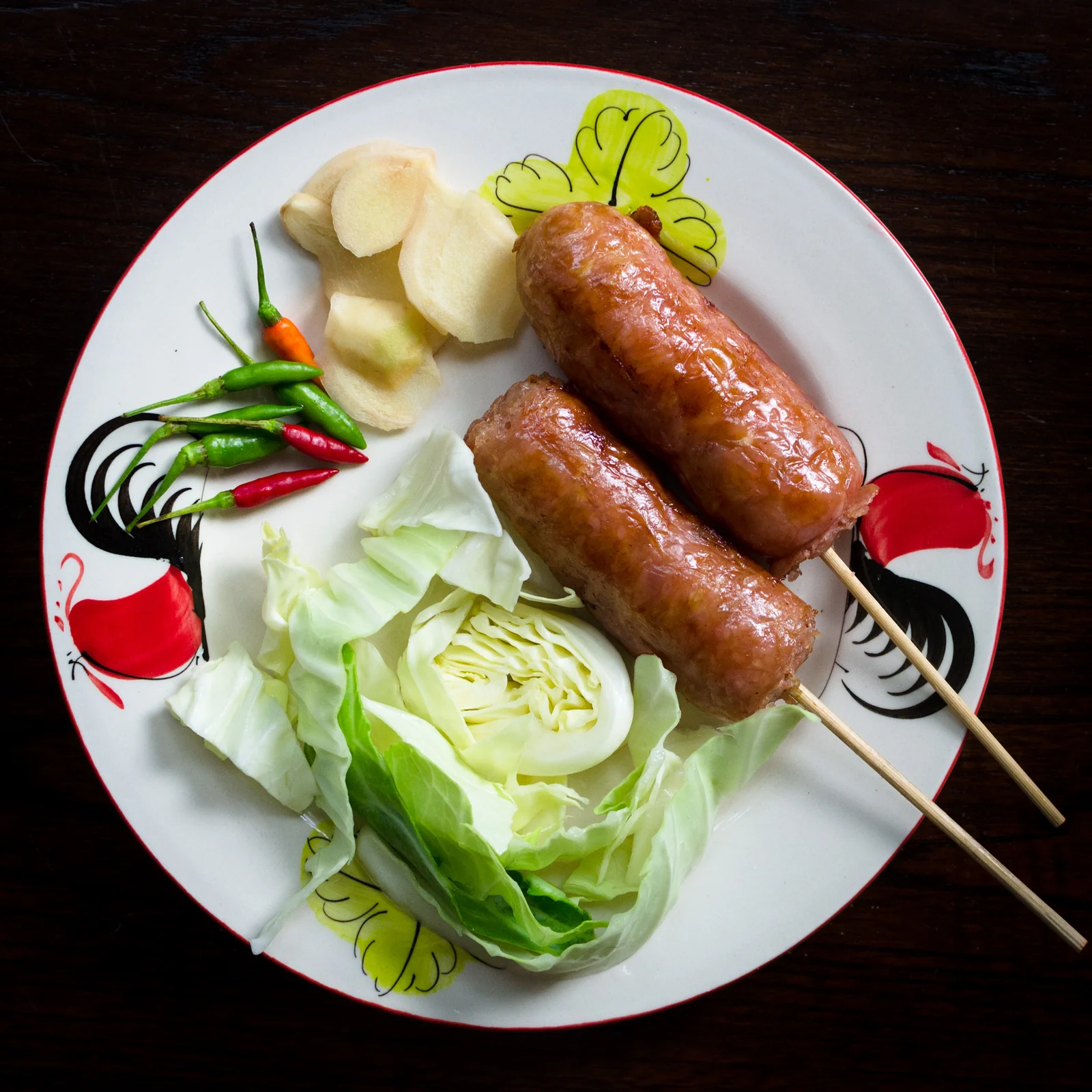
Err sits in the old town riverside stretch, a short walk from the Memorial Bridge, and it has the energy of a place that knows exactly what it is. Bo and Dylan's second restaurant, this one is louder, more casual, and built around fermented and cured Thai snacks paired with craft beer and interesting cocktails. The moo yor, Thai pork sausage, arrives sliced on a board with condiments and is the reason to come. The riverside setting means good outdoor tables in cool season. It won't suit travelers who want a quiet dinner: this is sharing plates, cold beer, and a table that gets louder as the night goes on.
 FOOD
FOOD
Err Urban Rustic Thai (เอิร์ร)
International cuisine in Bangkok, from Italian and Japanese to French
Bangkok’s international restaurant scene has matured considerably. These two are worth the detour even for travelers who came primarily for Thai food.
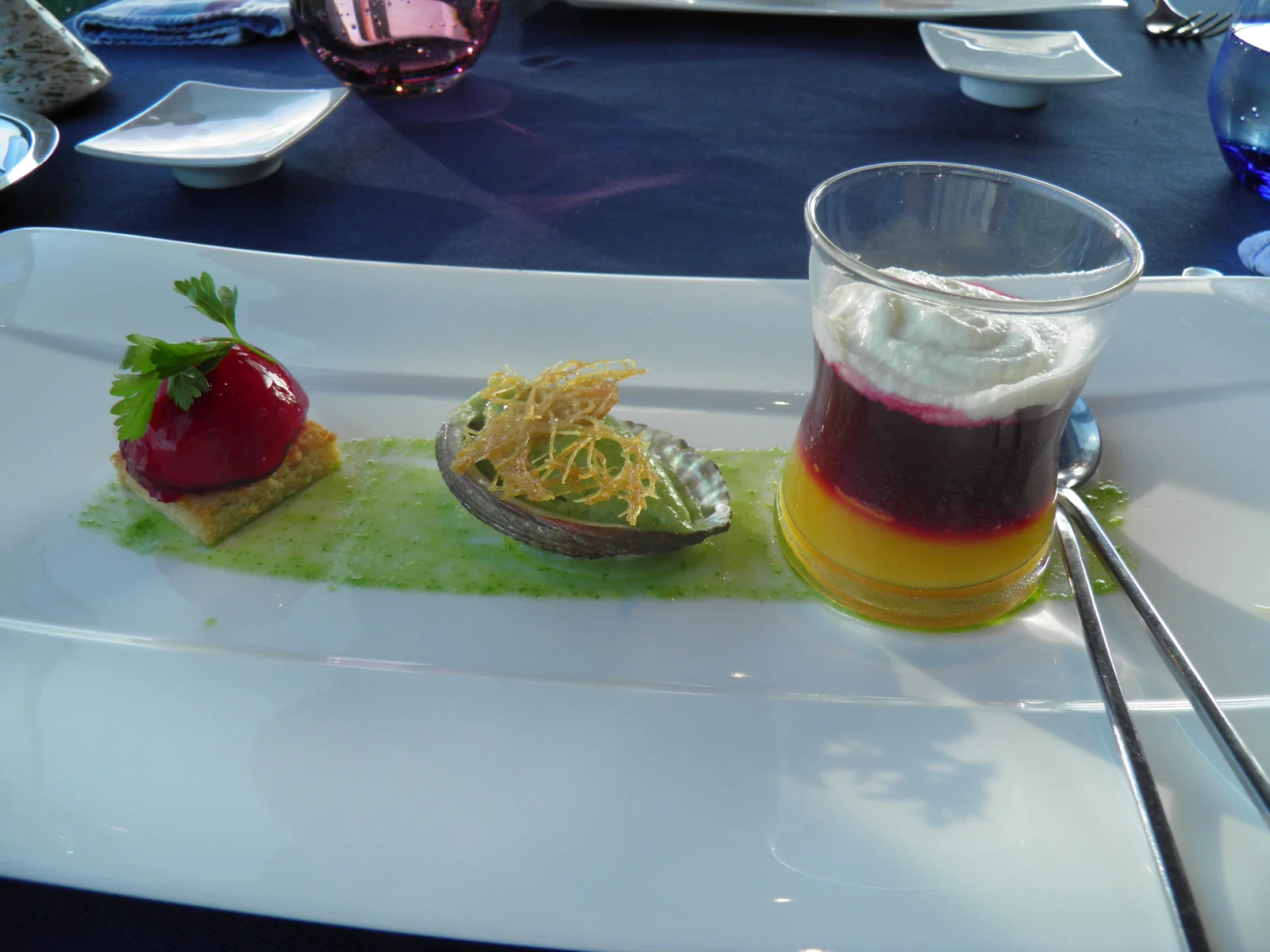
Eat Me occupies a narrow shophouse on Convent Road in Silom, and it has been doing this quietly for over twenty years. The menu is contemporary international: you'll find a tuna tataki next to a slow-cooked lamb shoulder next to a Thai-inflected dessert, and none of it feels confused. The walls are covered in rotating art from Bangkok's gallery circuit, which gives the room a specific character that hotel restaurants can't manufacture. It stays open until 1am, which makes it the right call after a late finish elsewhere. Not the right choice for travelers who want a pure Bangkok food experience: this is the version of Bangkok that has been listening to the world for a long time.
 FOOD
FOOD
Eat Me
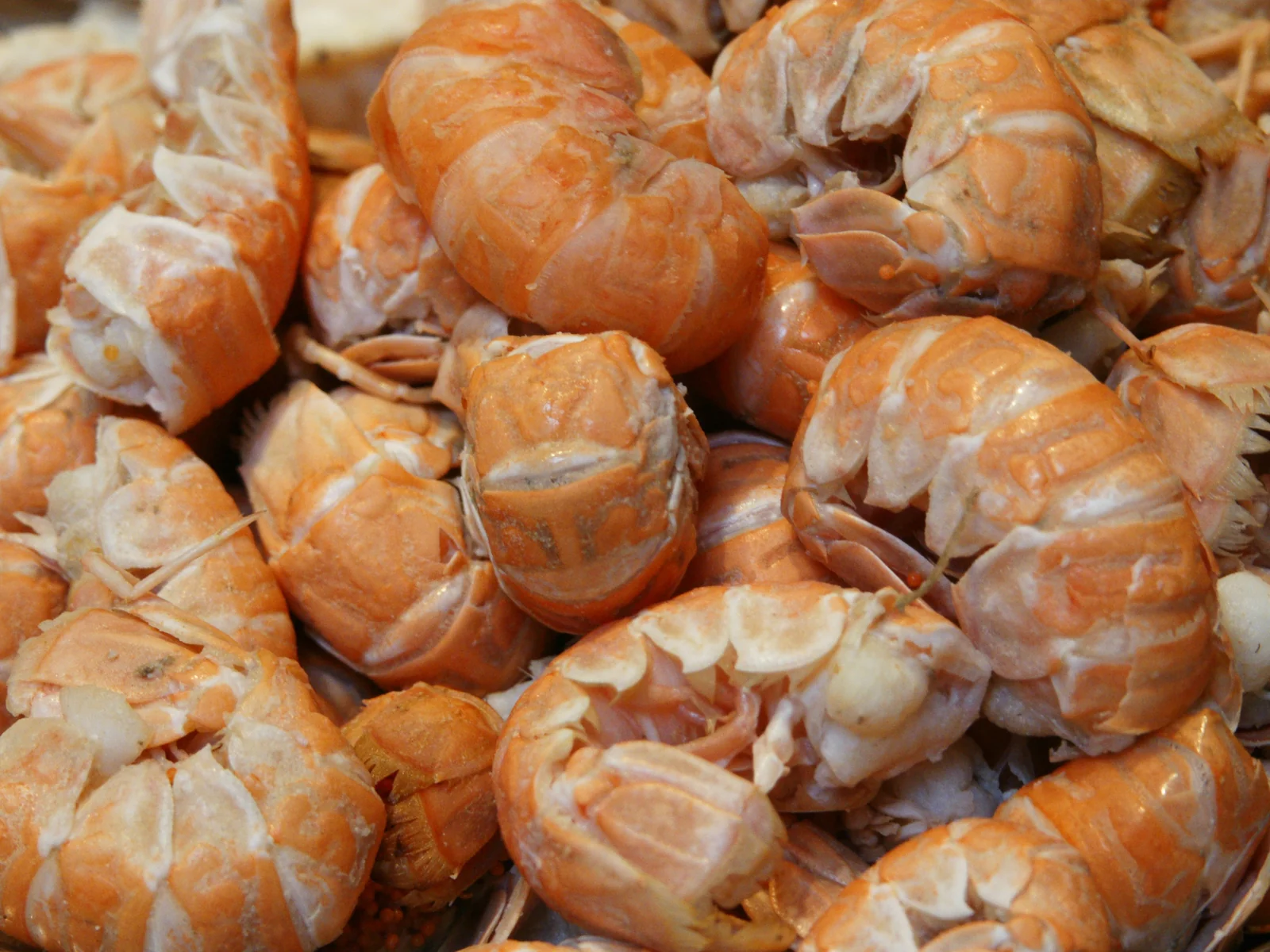
Côte holds the top position in Bangkok Top Tables 2026 and it earns it with Mediterranean cooking that is precise without being cold. Mauro Colagreco brings the same philosophy he built at Mirazur: produce as the starting point, technique as the support, and a dining room that doesn't try too hard. The langoustine in sea urchin butter is the dish most guests name afterward. Inside the Capella Bangkok, the setting adds a river view that gives the meal an unhurried quality. If you arrive expecting fireworks, you might find it quieter than that. What you'll take home is a very clear sense of what the ingredients were.
 FOOD
FOOD
Côte by Mauro Colagreco
Bangkok budget and street food picks under $10
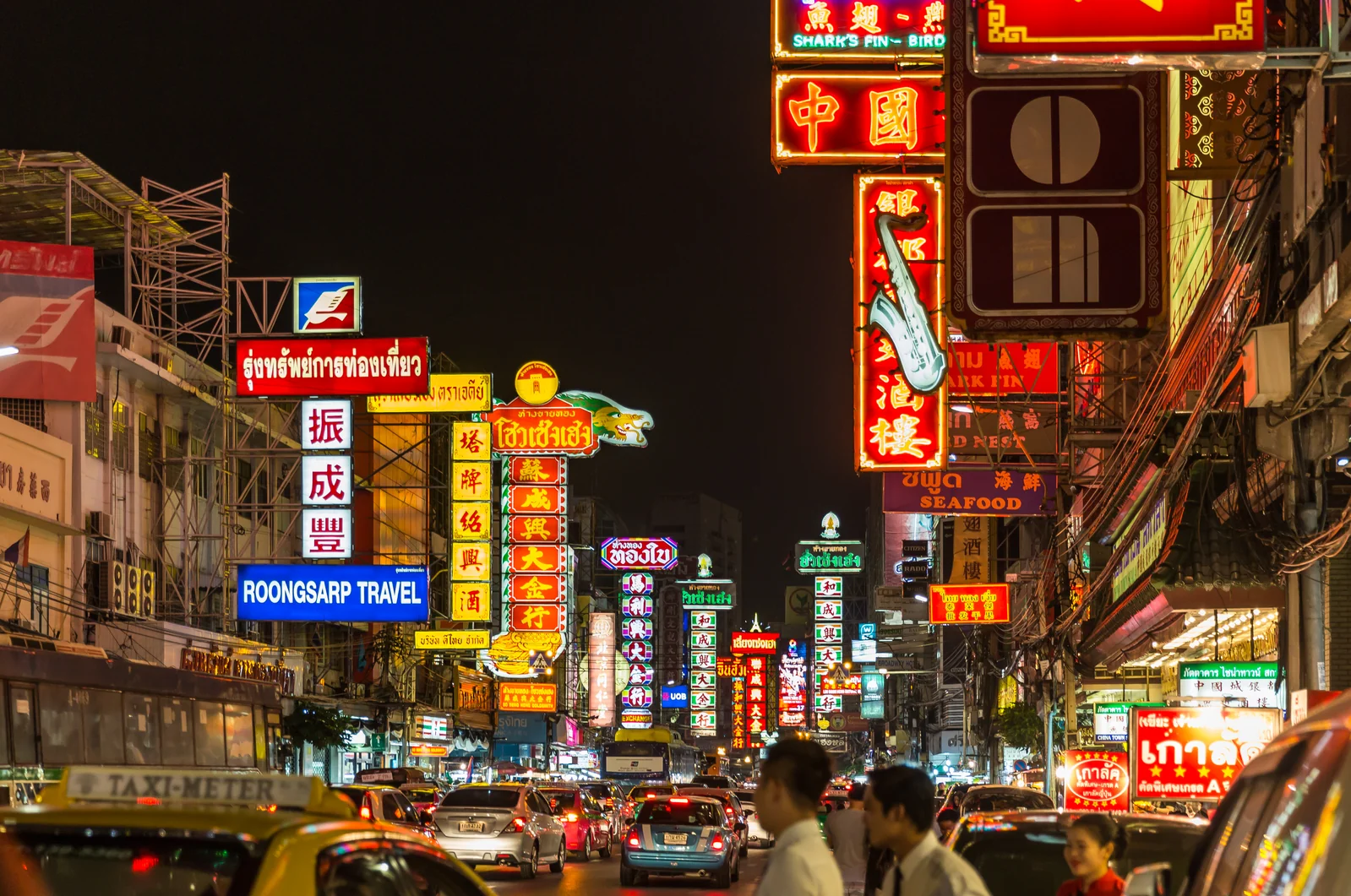 Photographer: Ninara from Helsinki, Finland. Source: Wikimedia Commons. License: CC BY 2.0.
The finest restaurants in Bangkok exist alongside food that costs $2 a bowl and tastes like it was made by someone who has been making it for forty years. Both are true. Both are worth your time.
At the street and market end, carry small notes. Boat-noodle vendors near Thonglor routinely wave off a 1,000 baht bill at lunch because the float for change is already thin, and the same thing happens at Or Tor Kor stalls and in Jay Fai’s cash-only queue. Pull 20s, 50s, and 100s from a 7-Eleven ATM before you set out. The card-friendly fine dining rooms are the exception here, not the rule.
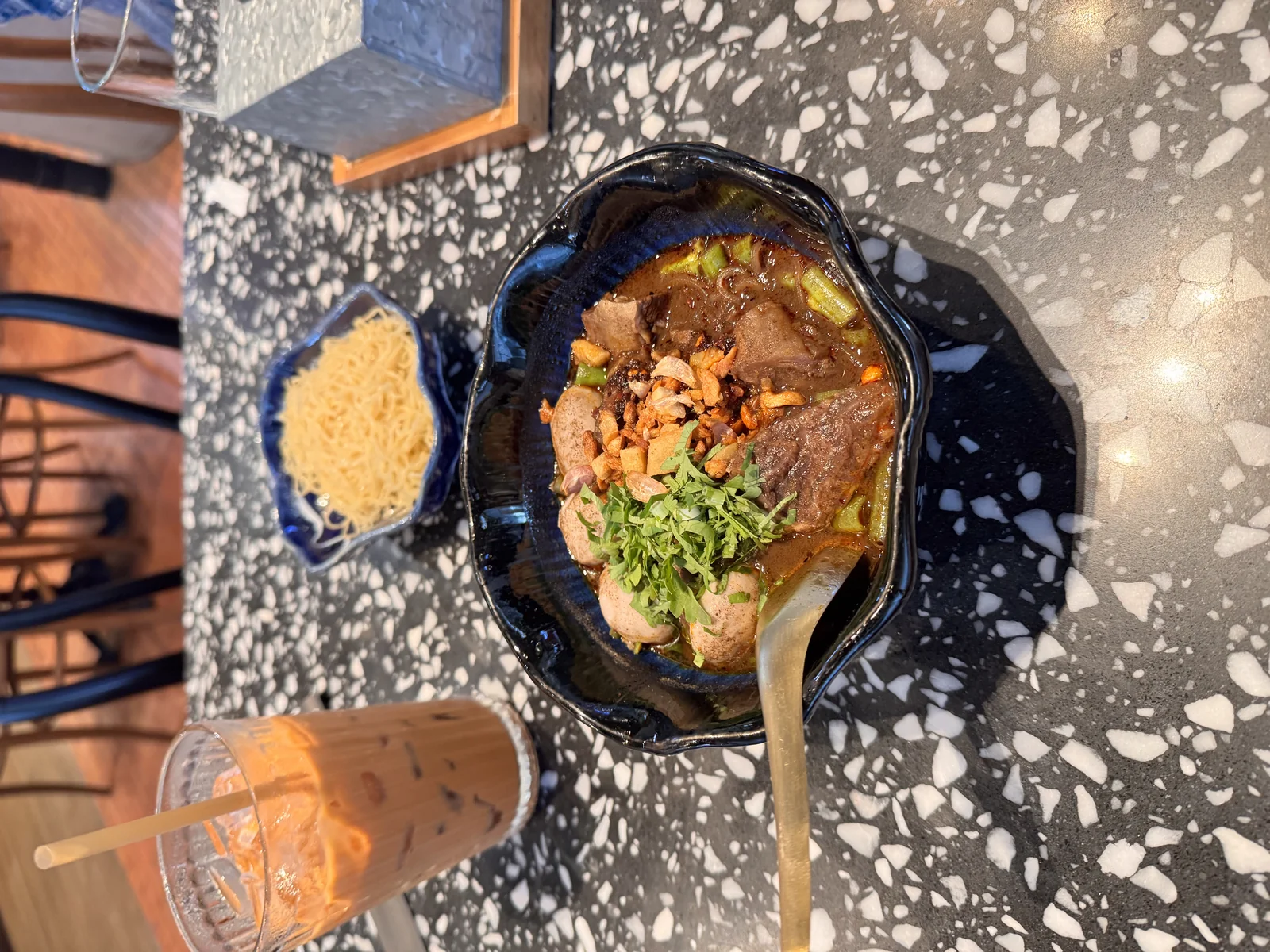
Boat noodle soup in Bangkok is a specific pleasure, and this Thonglor spot delivers it without the tourist markup that follows the dish around the old town. The broth is dark, intensely porky, with a fragrance from star anise and cinnamon that finds its way into the room long before the bowls arrive. You'll get through two or three bowls in a sitting because they're small by design: that's the boat-noodle tradition, kept here without apology. At $2-2 per bowl, it is the best $6 you will spend in Bangkok on food. Busy on weekends from noon onward, and the plastic stools make a long lunch uncomfortable.
 FOOD
FOOD
Kuay Teow Ruea Thonglor (ก๋วยเตี๋ยวเรือทองหล่อ)
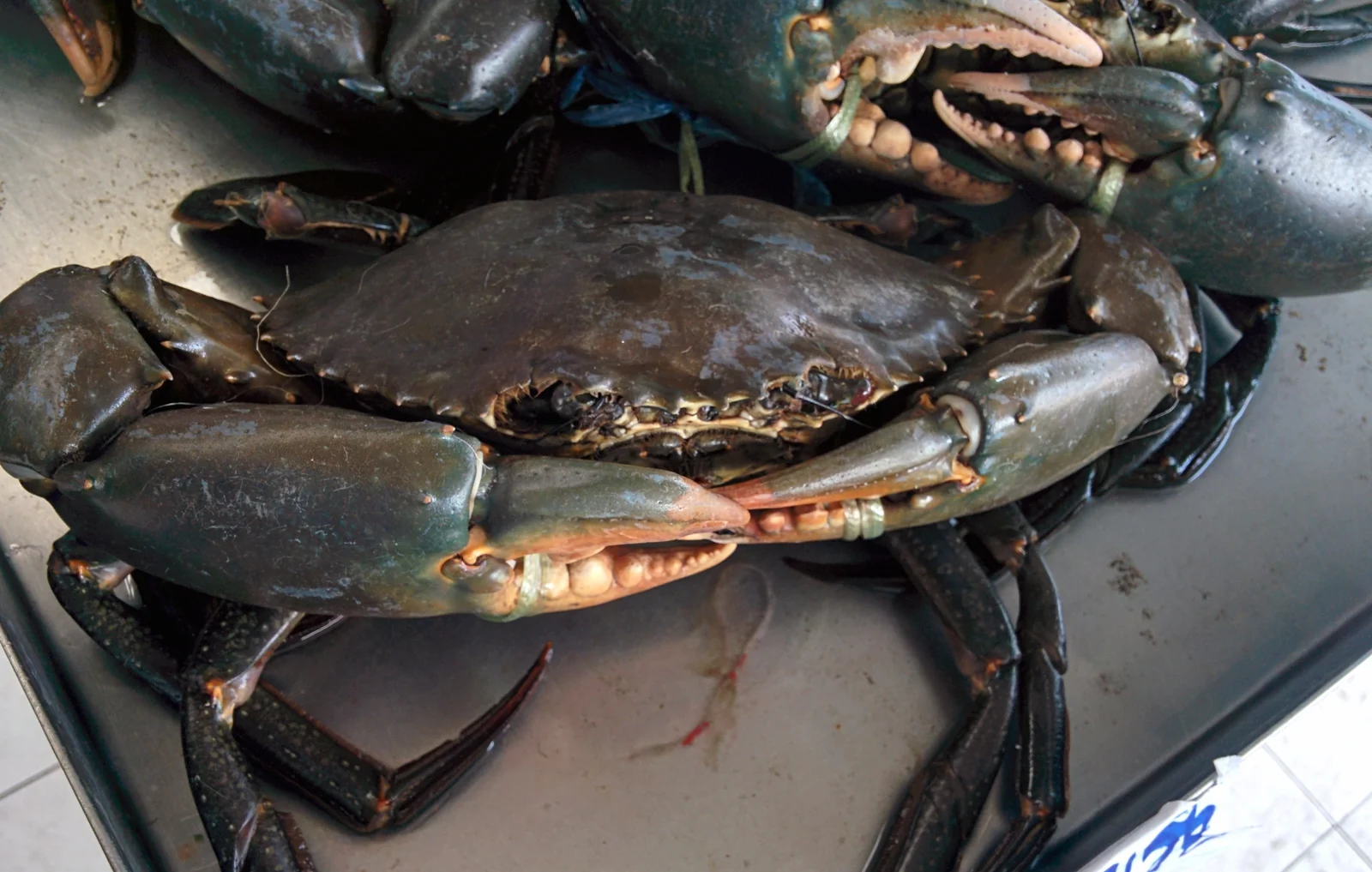
Or Tor Kor is the version of a Bangkok market that has been held to a higher standard for long enough that the standard has become normal. The produce section, where mangoes are sorted by ripeness and durian vendors know the difference between varieties and explain it if you ask, is worth the trip before you get to the food stalls. The cooked-food section runs along the back of the market and covers every region of Thailand: boat noodles, southern curries, northern sausage, pad krapao from a wok that hasn't cooled since morning. Budget $3-9 for a full meal. Near Chatuchak, so it pairs naturally with a Saturday market visit, but it's open every day and better on a quiet weekday.
 FOOD
FOOD
Or Tor Kor Market (ตลาด อ.ต.ก.)
How this list compares to the major Bangkok restaurant editorial coverage
Across editorial coverage of Bangkok restaurants, Sorn, Jay Fai, Gaggan Anand, and Le Du are the canonical top tier. Time Out Bangkok tracks Michelin movements and new openings monthly. The MICHELIN Guide Bangkok page is the authoritative source for current star designations. For the official tourism database, see the Tourism Authority of Thailand Bangkok page.
Practical Notes for Eating in Bangkok
Bangkok’s restaurant geography matters more than most cities. The fine dining and international restaurants cluster in Silom and Sathorn, which are walkable from the Chao Phraya River and well-served by the BTS. Ekkamai and Thonglor, fifteen minutes east on the BTS Sukhumvit line, hold the city’s best mid-range Thai and the more experimental end of the restaurant scene. The old town, Rattanakosin and the surrounding lanes, is where street food and market eating runs deepest. For more on getting between areas, the ferry network in Thailand is still one of the fastest ways across the river during peak traffic hours.
Cash still moves the street-food economy. Jay Fai, Or Tor Kor stalls, and Kuay Teow Ruea Thonglor are cash-only or cash-preferred, and the smaller market vendors will not run a card terminal even if you ask. Withdraw at any 7-Eleven ATM and keep small denominations. The fine dining and international restaurants take cards without issue, and most add a 10 percent service charge plus 7 percent VAT to the bill. Tipping above that is appreciated but not expected.
Bangkok’s traffic is the variable that breaks more dining plans than anything else. From 5pm to 8pm on weekdays, a Grab from Sathorn to Ekkamai can take 90 minutes for a 12 kilometer trip. The BTS covers the same route in 25 minutes. For old-town reservations, river ferries are faster than any road option from the Sathorn or Saphan Taksin piers. Build a 30-minute buffer into every restaurant arrival and you will rarely be late.
Eating across price tiers in one day
One of Bangkok’s specific pleasures is that the price tiers aren’t tribal. A typical day might cover three tiers without friction.
- Lunch, street-food bowl of boat noodles: $2
- Afternoon snack at Supanniga or similar mid-range room: $15
- Dinner at Sorn or another top table: $130
The city is unusual that way. Most travelers who eat well here move across tiers daily rather than picking a level and staying.
A practical pattern works for a five-night Bangkok food trip. Anchor night one with a Michelin or Asia’s 50 Best dinner. Take mid-range Thai on nights two and three, one Thonglor and one old-town. Eat street food across the breakfasts and lunches. Close with a riverside or rooftop meal on the final night. That spreads the budget across the experiences that justify it most, and saves the fine dining for after jet lag has cleared.
For travelers who want to compress the range into a single day, local food writers recommend a four-stop loop. Start with an Or Tor Kor breakfast of boat noodles, southern curry, and fresh fruit. Take a Thonglor or Ekkamai lunch at Supanniga or a similar mid-range room. Break for afternoon coffee at a Sukhumvit specialty cafe. Close with Côte or Bo.lan for dinner. That covers four eating moments across three zones and gives you a representative read of the city in a single Bangkok day.
How we picked these 10 restaurants over a long list
Bangkok has more restaurants worth recommending than any list of 10 can hold. We narrowed by applying three tests in order. First, current operating status verified in May 2026, with no recent closures or chef departures that change the offer. Second, a clear answer to the question “what is this restaurant for?” so each entry has a fit-segment, not a vague endorsement. Third, geographic and price-tier spread so the list serves a real trip-planning decision across a week, not ten variations of the same experience.
We weighted recent editorial coverage as a sanity check rather than as a source. The Michelin Guide Thailand, Asia’s 50 Best Restaurants, and the Bangkok Top Tables annual list all repeat the same fine dining names, which validates the upper end. For the mid-range and street-food picks, we cross-checked our own meals across multiple visits in 2025 and 2026 against the editorial coverage from Time Out Bangkok and BK Magazine. The street-food category specifically rewards persistence. A vendor still cooking the same dish a year later is the strongest signal that the recommendation will still be good when you arrive.
Three restaurants we considered and finally cut from the list. Issaya Siamese Club is still strong, but the room feels quieter post-renovation than the food deserves. Le Du has been a longstanding favorite, though the recent menu direction split our team. Wattana Panich serves a legendary slow-cooked beef noodle, but the seating is rough enough that we hold it for a separate “best street stalls” piece. All three are reasonable additions if you have more than a week.
For travelers planning longer stays in Thailand with a hotel base to return to, the best SHA certified hotels in Bangkok cover the full range of budgets and neighborhoods. If you’re working outward from Bangkok to the islands or the north, Phuket’s SHA hotel options, Chiang Mai’s hotel scene, and Koh Samui’s coastal properties all have their own character worth understanding before you book.
Where to stay in Bangkok near these restaurants
Location matters when you’re eating across the city. These three hotels place you well for different parts of the dining map.
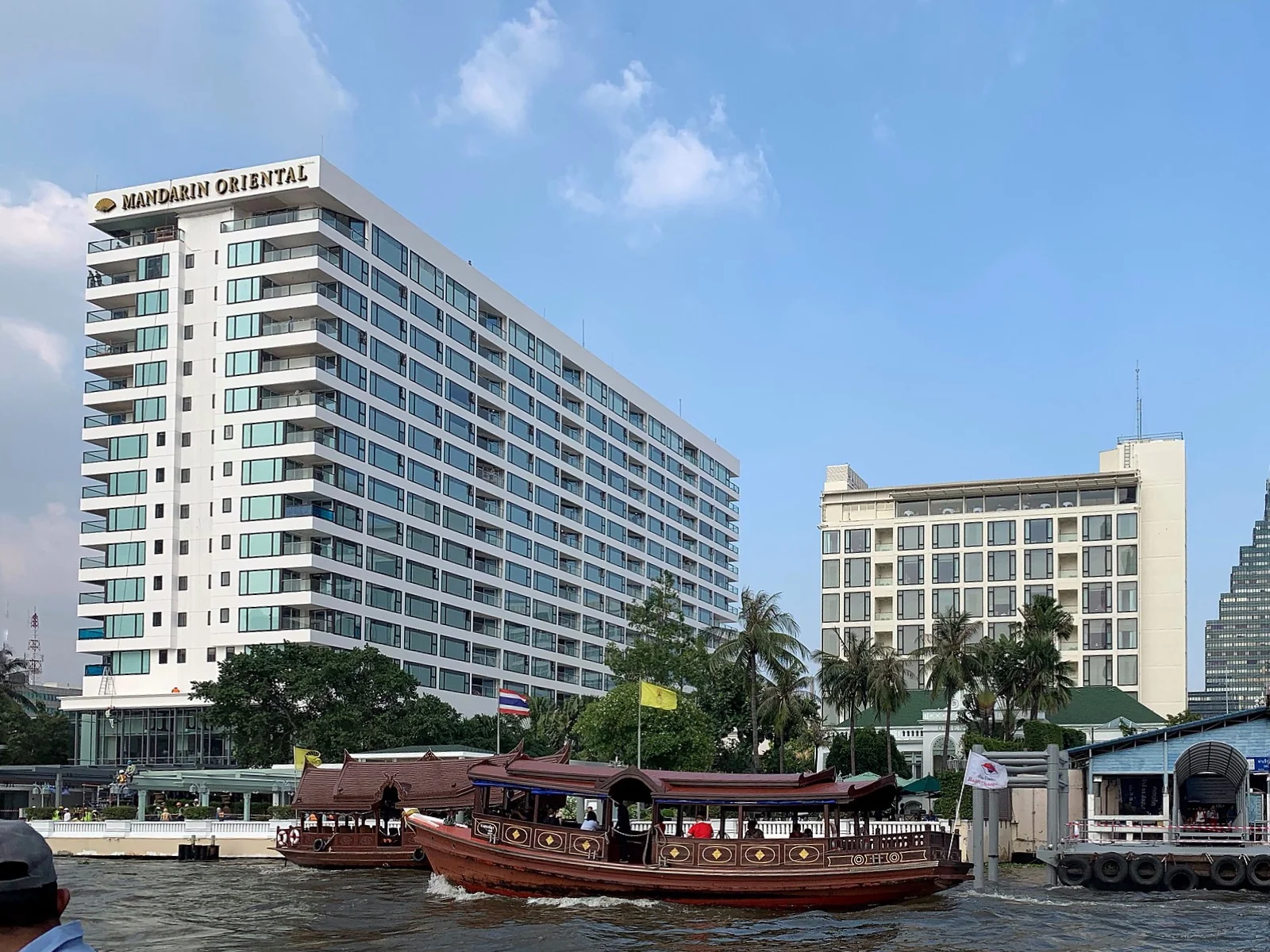
The Mandarin Oriental sits on the Chao Phraya riverbank and has been doing so since 1876, which gives it a specific kind of authority. Agoda reviewers rate it 9.2/10, with repeated references to the river-facing rooms at dusk and the Authors' Lounge afternoon tea. The location puts you within river ferry distance of Jay Fai, Or Tor Kor, and the old town market lanes. Its own dining, including Le Normandie, is worth separate attention. Rates justify a special-occasion stay rather than a standard base: the gap between this and the next tier of Bangkok hotels is real.
 STAY
STAY
Mandarin Oriental Bangkok
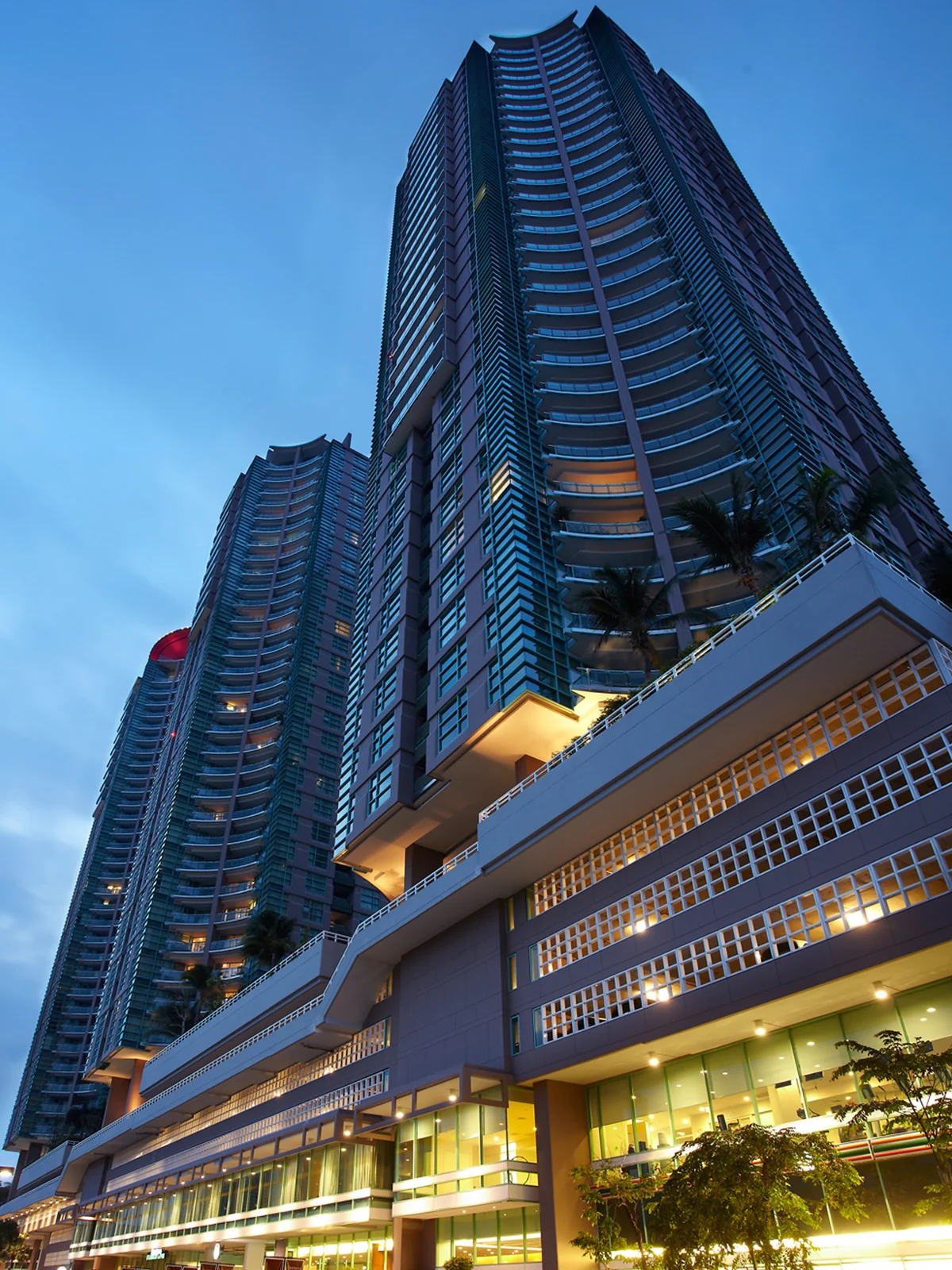
Chatrium scores 9.0/10 on Agoda and delivers a riverside location at a price point that leaves budget for the restaurants on this list. The hotel ferry service connects you to the BTS without dealing with traffic, which matters in this part of Bangkok. Reviewers specifically mention the river-view rooms and the breakfast spread. A practical base for travelers who want Err Urban Rustic Thai and the old-town street food circuit without paying the premium of a luxury address. The Sathorn district location isn't as central to Ekkamai dining, so plan for taxi or Grab to cover that ground.
 STAY
STAY
Chatrium Hotel Riverside Bangkok
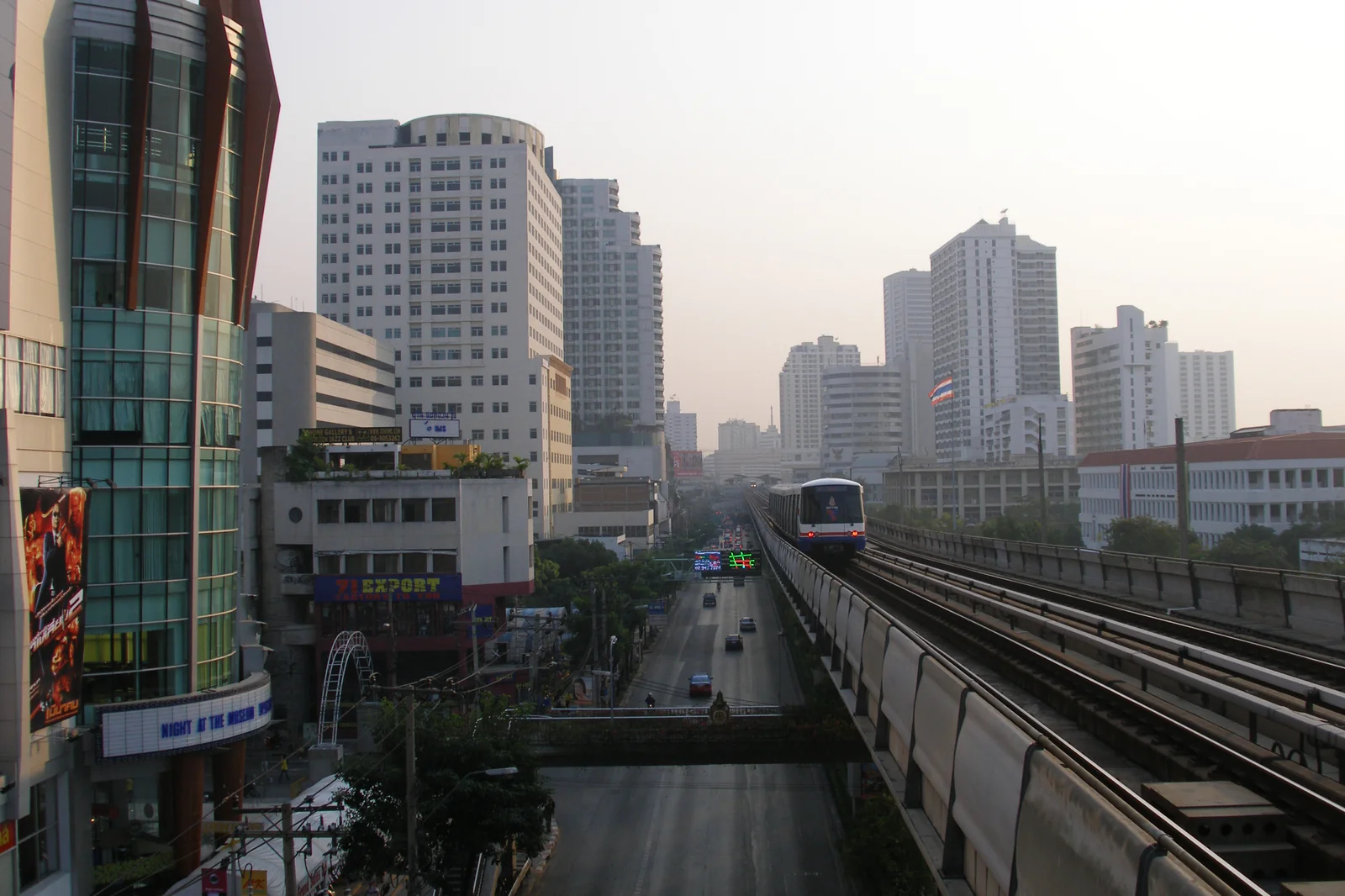
For travelers whose priority is eating well rather than where they sleep, this Ibis puts you on the BTS Sukhumvit line with direct access to Ekkamai, Thonglor, Silom, and Sathorn. Agoda reviewers rate it 8.6/10 and focus consistently on the location and the value. The rooms are compact and functional: this is a base, not a destination. It won't suit travelers who want a hotel experience that matches the meal quality in this guide. It will suit travelers who want to spend their money at Sorn and Bo.lan and Eat Me, and sleep somewhere clean and close to the train.
 STAY
STAY
Ibis Bangkok Sukhumvit 4
Frequently Asked Questions
How far in advance should I book fine dining in Bangkok?
What is the best area for food in Bangkok?
Is street food in Bangkok safe to eat?
How much does a meal cost in Bangkok?
When is the best time of year to visit Bangkok for the food scene?
Should I eat at the hotel or go out for every meal?
Build the rest of your days around the meals. Browse the best things to do in Bangkok, and widen the lens with our guide to things to do in Thailand. Flying in from the region? See our Hong Kong to Bangkok flights guide.