Most travelers in Thailand pay between 1,200 and 4,000 THB ($35 to $115) a night for a comfortable room. That is the honest mid-range for 2026. The floor drops far below it for a hostel bunk, and the ceiling climbs past a beachfront pool villa, but the middle is where the typical trip actually sits. The number people quote as the country average, close to $120 a night (BudgetYourTrip aggregated data), is misleading. It gets dragged upward by island five star inventory that only a fraction of visitors ever book.
If you want a clean air conditioned room with a pool, you can hold it under 2,000 THB ($58) with the right choices. If you land in the wrong week of December in the wrong city, the same room triples. What you actually pay comes down to three things, and none of them is the star rating on the door. It is the city, the season, and how far ahead you book.
What a room costs in each Thai city
Thailand is not one price. It is five or six very different ones, and the gap between the cheapest base and the most expensive is wider than most first trips assume. The capital gives you the broadest spread. The northern city gives you the softest floor. The southern islands carry the heaviest markup, and they earn a good part of it.
 Photographer: Vyacheslav Argenberg. Source: Wikimedia Commons. License: CC BY 4.0.
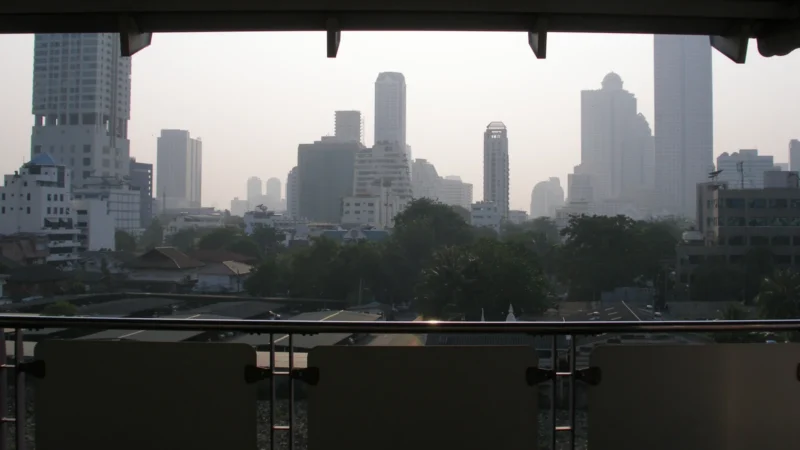
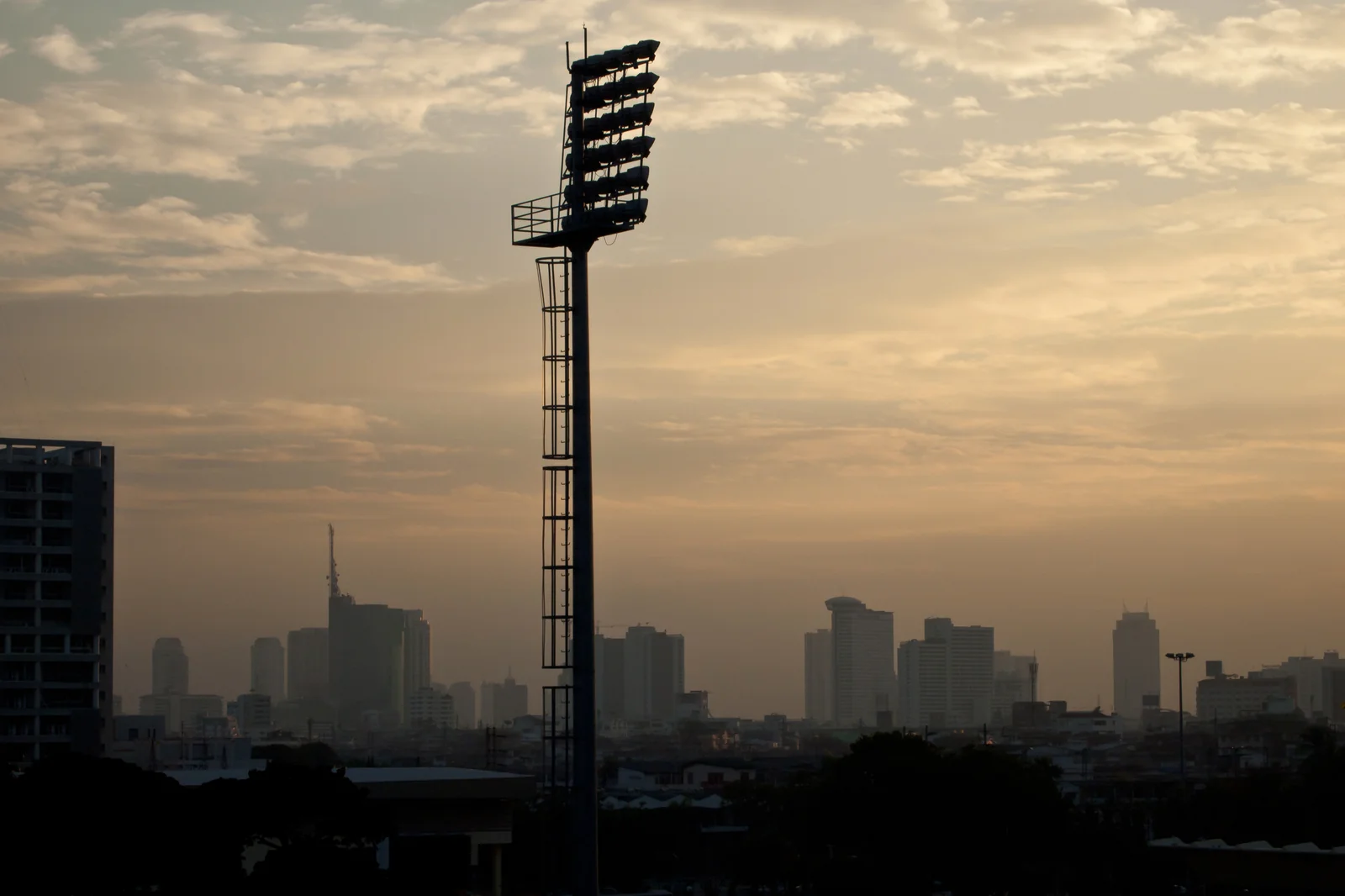
In Bangkok, budget hotels average around 420 THB ($12) a night, while a comfortable mid-range room sits near $72 and the luxury towers climb well above that (BudgetYourTrip, 2026). The city rewards patience. A room ten to fifteen minutes off the tourist core routinely costs 30 to 40 percent less than the same standard on Sukhumvit (สุขุมวิท). Recent guests who booked a stop or two out say the trade was a slightly longer walk and a noticeably smaller bill. Our full breakdown of where each price band puts you sits in the Bangkok hotel guide.
Chiang Mai (เชียงใหม่) is the value capital of the country. Rooms in the Old City run 300 to 2,000 THB ($9 to $58), and the trendier Nimman (นิมมาน) area sits a little higher at $15 to $75. A traveler who would pay for a hostel in Phuket can afford a small boutique here for the same money.
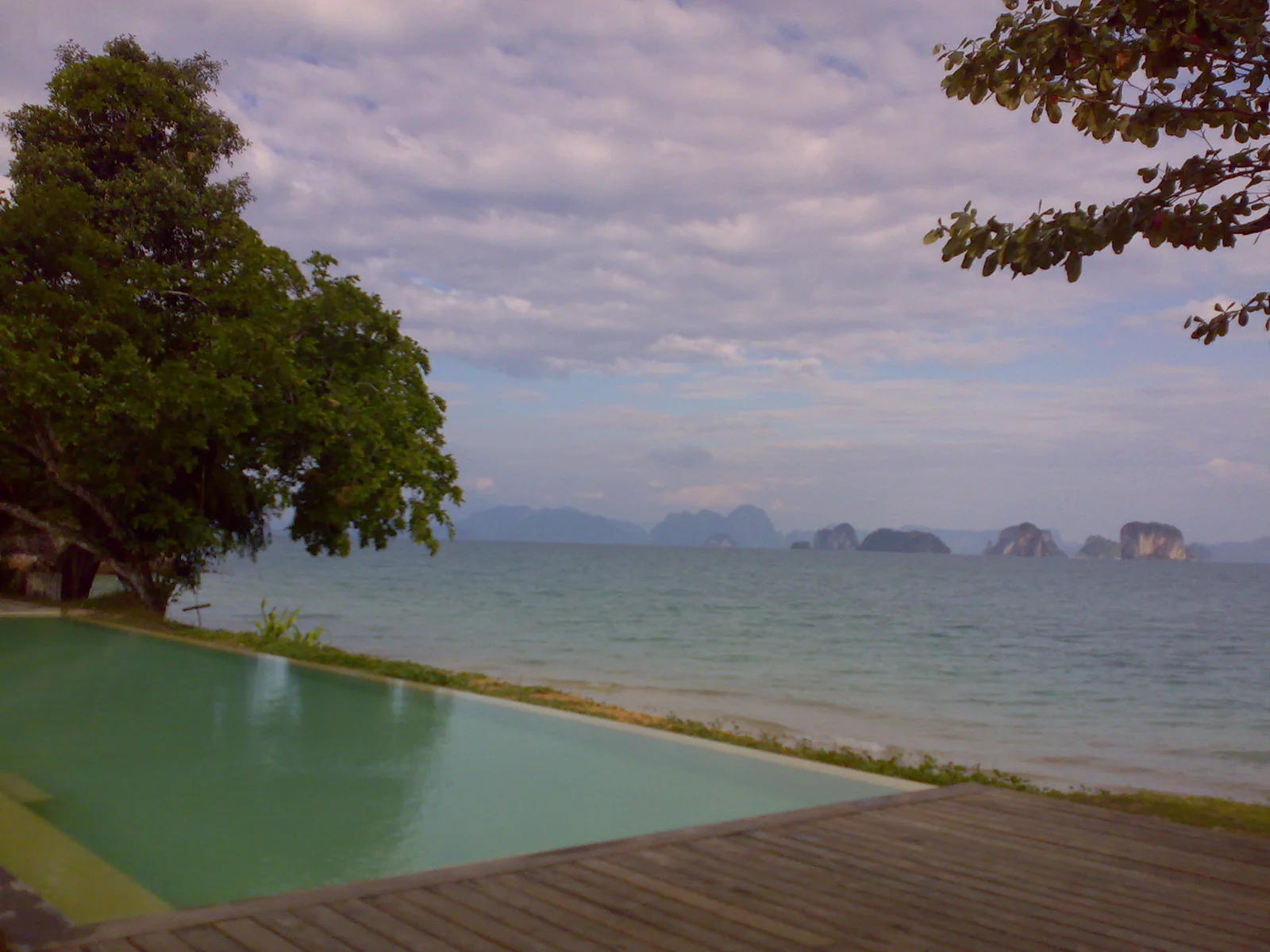
Phuket (ภูเก็ต) runs 25 to 30 percent above Bangkok across the board. Budget rooms start near 500 THB ($15) and the luxury average climbs to roughly 5,100 THB ($149). Krabi (กระบี่) and the smaller islands sit in similar territory, averaging about $44 in a normal week. Island rooms as a rule cost 20 to 30 percent more than the mainland equivalent, because everything on an island arrives by boat.
Pattaya (พัทยา) is the outlier on the cheap side. It is built on budget and mid volume, so the average room sits near 930 THB ($27) and jumps hardest in December, when rates can more than double. The honest read on where each city puts your baht is worth having before you book. The Thailand itinerary framework helps you decide how many nights each one deserves.
Hostel to pool villa, tier by tier
Star ratings in Thailand do not map cleanly onto Western expectations. A Thai four star often delivers what a European five star would, for a third of the price. Here is what each tier actually costs in 2026, drawn from consolidated rates across the major booking aggregators and Thai travel guides.
- Hostel dorm bed. 250 to 700 THB ($7 to $20). Air conditioning, a locker, usually a pool at the smarter ones.
- Budget guesthouse or private room. 800 to 1,200 THB ($23 to $35). Private bathroom, wifi, a fan or split unit.
- Three star hotel. 1,200 to 2,200 THB ($35 to $65). Pool, breakfast, daily housekeeping, a 24 hour desk.
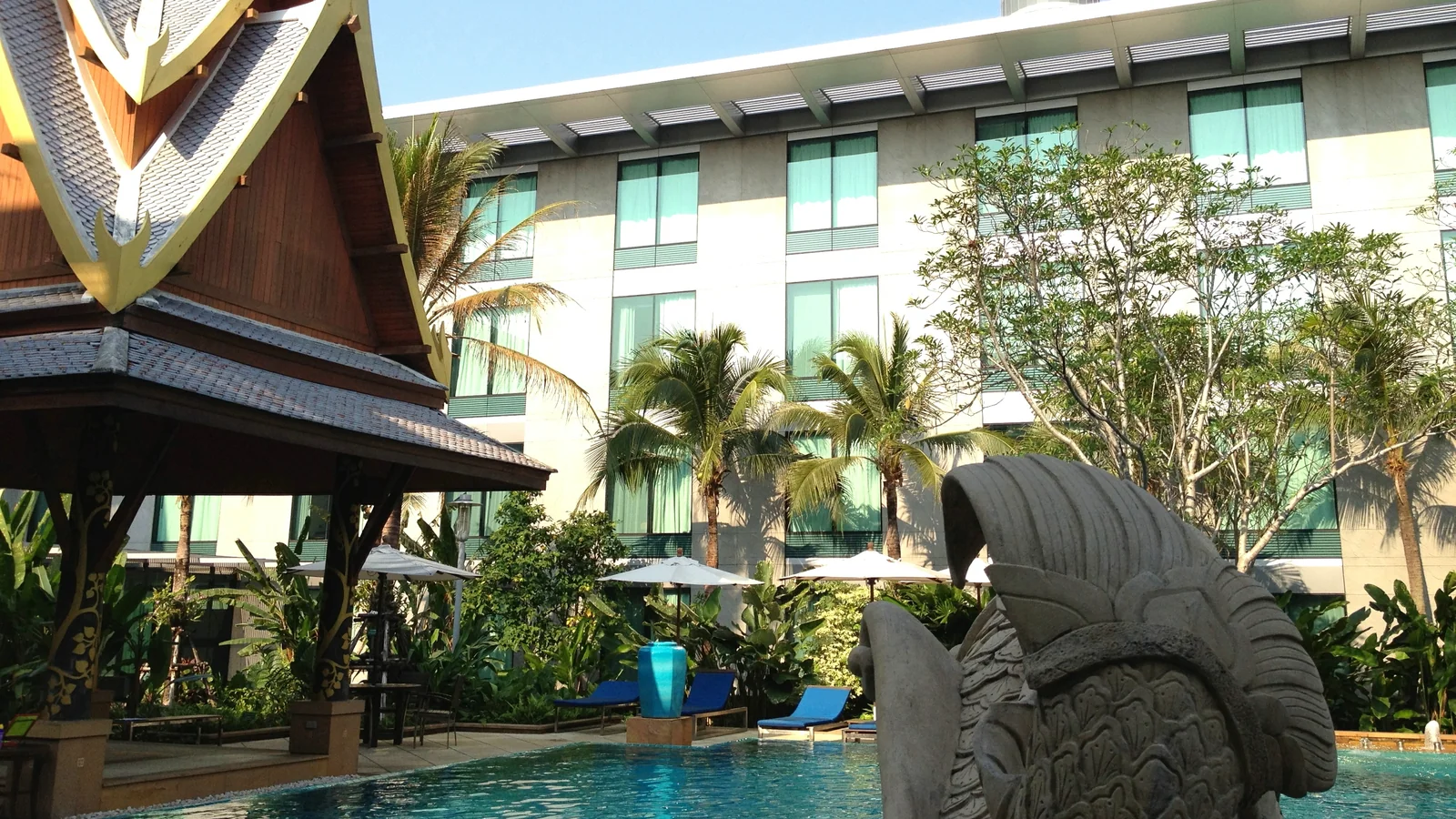
- Four star hotel. 2,500 to 4,000 THB ($70 to $115). This is the sweet spot for value, often a rooftop pool and a real restaurant.
- Five star hotel. 3,500 to 8,000 THB ($100 to $230) and up. Spa, multiple restaurants, service that remembers your name.
- Pool villa or top resort. 6,000 to 18,000 THB ($170 to $500) and beyond, mostly on the islands.
 Photographer: David McKelvey from Brisbane, Australia. Source: Wikimedia Commons. License: CC BY 2.0.
The lesson buried in that ladder is that the jump from three star to four star buys you more than the jump from four to five. At the mid tier you gain a real pool, a proper breakfast, and a location that saves you taxi money every day. The travel blog The Blond Travels puts a mid-range room with pool and breakfast at $30 to $60, and that tracks with what we see across the booking sites.
The single most useful move for a mid-range budget is to book a four star that sits one metro stop outside the main tourist strip. You keep the pool, the breakfast, and the service, and you shed 30 to 40 percent of the room rate. The walk to the action is usually five minutes longer than the photos suggest.
How much the calendar moves the price
Season moves the number more than the city does. This is the part English language guides tend to underplay, and the one Japanese and French trip reports treat as a deliberate strategy rather than a footnote.
 Photographer: Jaakko H.. Source: Wikimedia Commons. License: CC BY-SA 3.0.
High season runs November to February. Expect rates 30 to 50 percent above the baseline through those months. The sharp spike is the 15 December to 15 January window, when peak pricing adds 40 to 75 percent and the islands run at the top of that range, a swing the travel site Jetsetter Alerts tracks year to year. A pool villa that lists at 8,000 THB ($230) in October can ask 14,000 THB ($400) over the New Year holiday, and it will still sell out.
The low season is where the value lives. Roughly May, June, September, and October bring the rain, and with it a 30 to 50 percent drop in room rates. Japanese travel guides single out Phuket in the June to October window as the genuine bargain, where a room that runs about 10,000 yen in season falls to near 5,000 yen (SMBC Global Compass, 2026). The rain in most of Thailand comes in afternoon bursts, not all day washouts, so the trade for half price rooms is often just a rearranged afternoon. If timing the weather is your priority, the best time to visit Thailand guide breaks the calendar down region by region.
French travel guides make a point English ones skip. In the ultra-touristy zones, Patong (ป่าตอง), the Bangkok tourist core, central Koh Samui, hotel prices have crept up to rival parts of Europe. The cheap-Thailand headline is still true at the floor, but the tourist-strip ceiling has risen fast. Step two streets back from the beachfront or the main road and the old prices are still there.
What the price actually buys you here
The reason the same dollar figure feels different in Thailand is what it includes. A 2,500 THB ($73) four star room here typically comes with a pool, a breakfast cooked to order, daily housekeeping, and staff who arrange your taxis and tours without a service charge attached. The same money in most Western capitals buys a room and nothing else.
At the top of the market, the gap gets wider. A 6,000 THB ($170) five star night, which reads as mid-range in New York or London, buys genuine luxury in Thailand. Infinity pools, several restaurants, a spa, and attention that anticipates what you need. This is why the country average looks high on paper. The luxury tier is unusually deep and unusually good, so a lot of travelers who never planned to splurge end up doing it because the value is hard to argue with.
 Photographer: Максим Улитин. Source: Wikimedia Commons. License: CC BY 3.0.
Where the price stops buying more is the very bottom. A 400 THB ($12) guesthouse room and a 900 THB ($26) budget hotel room can look similar in photos, but the second one adds cleanliness, a reliable pool, and a front desk that answers at 2am. That step is the one worth paying for. Above it, the returns flatten until you reach the pool villa tier, where you are paying for privacy and a view rather than a better bed.
Two rooms that show the spread
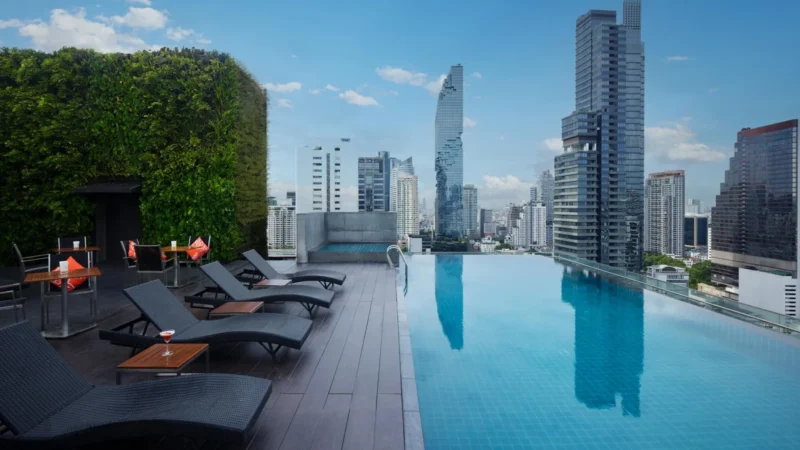
To make the range concrete, here are two SHA certified rooms that sit at opposite ends of a Bangkok budget. One shows the top of the market, the other shows how far a mid-range baht budget stretches in the same city.

When to book so the number stays low
The last lever is timing, and it matters most for the exact dates you cannot move. For a December peak trip, book three to four months ahead. Rooms in the good locations sell out first, and the ones left in November are the expensive stragglers.
Outside the peak, the pattern flips. Hotels tend to release their discount inventory to booking sites around three months before arrival (Tripadvisor Thailand forum). Because free cancellation is now standard on most rates, the smart play is to book early to lock the room, then watch the price and rebook if it softens closer to the date. You carry no risk and keep the upside.
One more move that consistently pays off. Compare the room total across two or three booking sites before you commit, because the same hotel often lists at meaningfully different rates depending on the platform and the day. Compare live rates across Thailand before you lock anything in, and check the cancellation terms on the cheapest option rather than the headline price. For a longer trip that crosses several cities, the 3 days in Bangkok guide shows how to stack nights so you are not paying peak rates in every base.
If you would rather see a shortlist of certified hotels already filtered by city and price band, our regional roundups do that work. Check availability and current rates on a specific property to see how the seasonal swing lands on real dates.