SHA Extra Plus is the top tier of Thailand’s SHA certification, a hotel and tourism safety standard the Tourism Authority of Thailand launched in May 2020. It covers hygiene protocols, a vaccinated staff threshold, and a formal partner hospital for virus testing on arrival. In 2026 the badge is still displayed on hotels and booking sites, but it is a leftover from a pandemic entry scheme that no longer exists, not an active measure of how good a hotel is.
That gap between what the badge looks like and what it now means is the whole reason travelers get confused by it. Here is what each tier actually stood for, whether it still matters, and what to look at instead when you book.
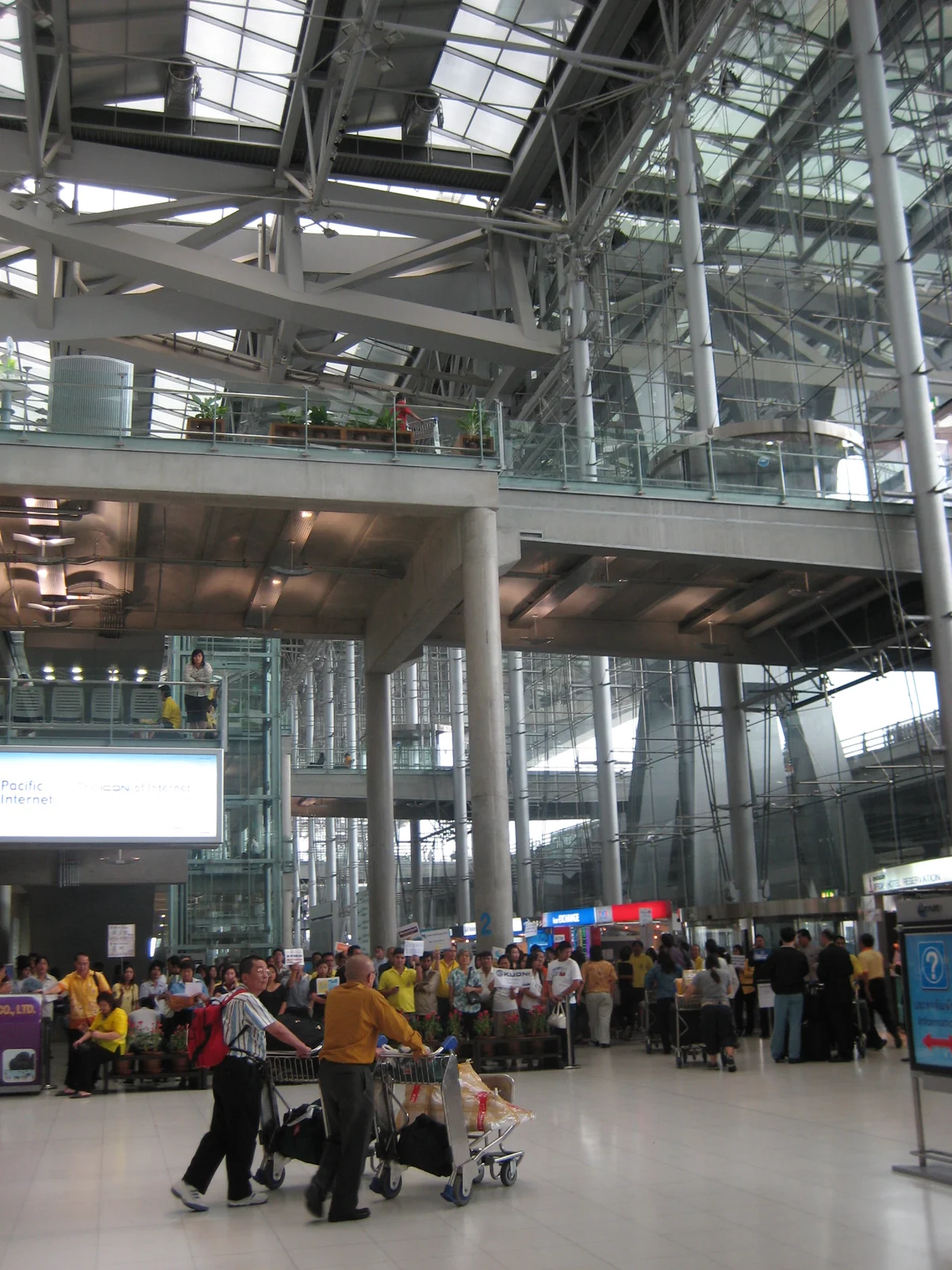 Photographer: Terence Ong. Source: Wikimedia Commons. License: CC BY 2.5.
What SHA Extra Plus actually covers
SHA stands for Safety and Health Administration, a certification the Tourism Authority of Thailand set up with the Ministry of Public Health during the COVID-19 pandemic. A property earns the base SHA badge by meeting a hygiene checklist: temperature and health screening, sanitizer placement, regular cleaning cycles, distancing signage, and trained staff. The scheme covers ten business categories, from hotels and restaurants to transport and attractions, and the Tourism Authority reports more than 15,000 certified operators.
SHA Extra Plus, written SHA++, adds two things on top of that base. The property needs at least 70 percent of its staff fully vaccinated, which is the SHA Plus threshold, and it needs a formal agreement with a certified hospital to run RT-PCR tests and handle a medical case on site. That hospital partnership is the single line that separated Extra Plus from the tier below it. The Tourism Authority’s own SHA certificate page still lists these criteria in the language of the pandemic.
Worth naming clearly, because the marketing never did: the Extra Plus criteria are about vaccination rates and virus testing, not about the quality of the room, the service, or the food. A hotel can hold SHA Extra Plus and be average, and a superb hotel can hold only the base SHA badge because it never needed the hospital partnership.
The three tiers of SHA, compared
The scheme runs on three levels, and the differences between them are narrower than the names suggest.
- SHA (base): launched May 2020. The hygiene and safety checklist only. No vaccination or hospital requirement. This is the tier that maps to what most travelers assume the whole scheme is about, cleanliness and safe operations.
- SHA Plus (SHA+): rolled out in the middle of 2021 alongside the vaccination push. Everything in base SHA, plus at least 70 percent of staff fully vaccinated. This was the tier that qualified hotels for the Phuket Sandbox reopening in July 2021.
- SHA Extra Plus (SHA++): added in late 2021. Everything in SHA Plus, plus a partner hospital for RT-PCR testing and emergency care. This was the tier that qualified hotels for Test and Go, the quarantine free entry scheme.
Read down that list and the pattern is clear. Each step up the ladder was tied to a specific reopening policy, not to a higher standard of hospitality. The protocols aligned with the World Travel and Tourism Council’s Safe Travels stamp, so the underlying hygiene rules were credible. The tiers above the base were entry permission grades in all but name.
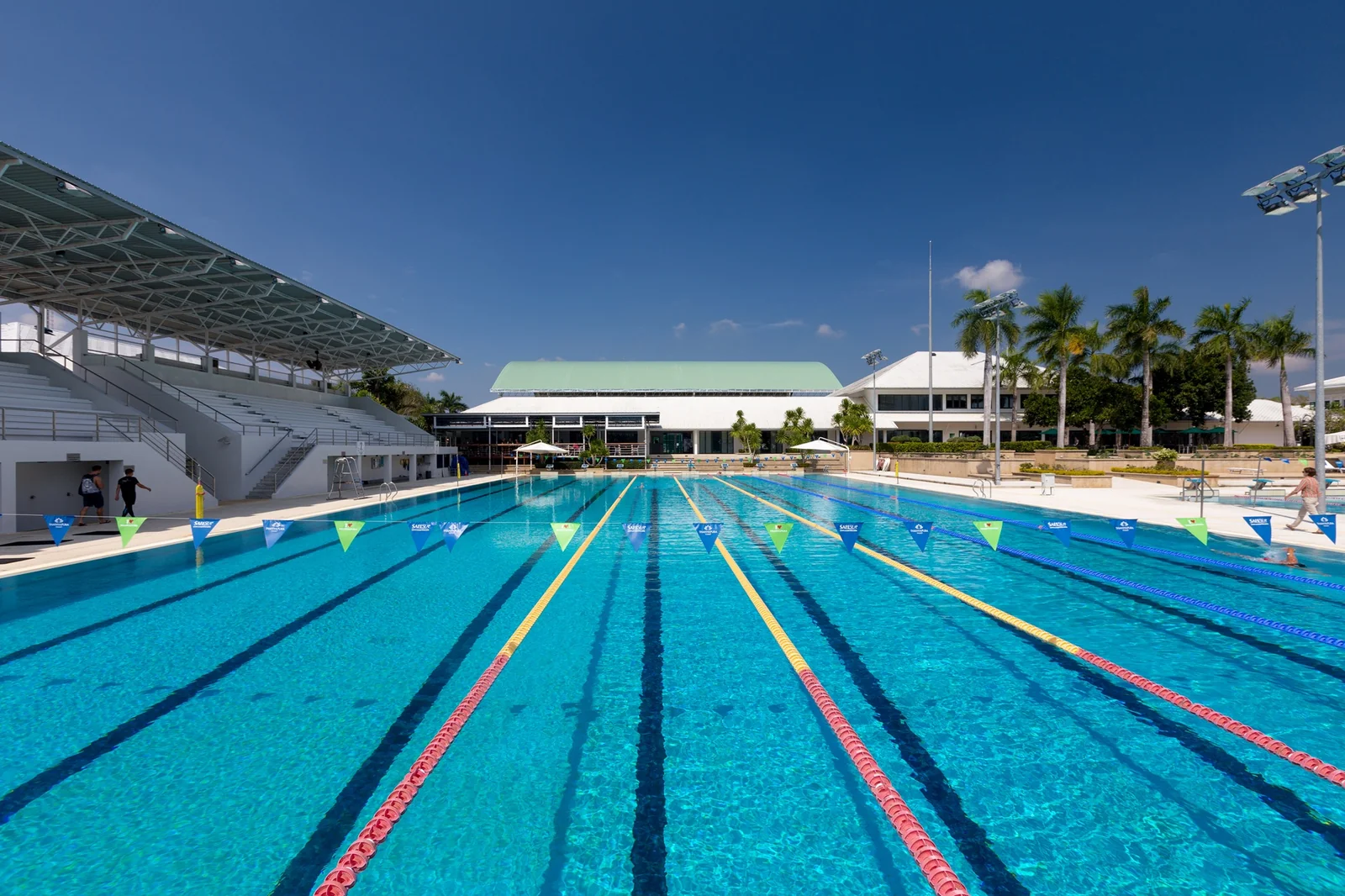 Photographer: Porames.k. Source: Wikimedia Commons. License: CC BY-SA 4.0.
Is SHA Extra Plus still active or required?
The honest answer is that the scheme is officially active and practically retired. The Tourism Authority’s program portal is still live, badges are still issued, and no formal notice has ever announced that SHA is over. At the same time, Thailand dropped its Test and Go entry scheme in 2022 and lifted its remaining entry requirements soon after, which removed the reason the Plus and Extra Plus tiers existed in the first place.
The Tourism Authority’s own recent priorities tell the same story. Its 2025 anniversary messaging leads with sustainable tourism, and SHA no longer appears among the headline initiatives. Mainstream travel coverage such as Time Out Bangkok still describes the badge as a stamp of safety, while German and Japanese travel writers who tracked the scheme closely describe it as effectively dormant, issued once and rarely audited again. So a badge you see on a hotel facade or a booking site in 2026 is a snapshot of 2021 policy that nobody has asked the hotel to take down. It is not evidence of a current, enforced inspection.
How travelers should use SHA today
None of this means the badge is a red flag. A hotel that earned SHA Extra Plus did meet a real hygiene checklist at some point, and the vast majority of certified properties are perfectly clean. The mistake is treating the tier as a ranking. Booking a SHA Extra Plus hotel over a base SHA one because the name sounds safer is chasing a distinction that was about vaccination paperwork, not about your stay.
Use it as light background context and weight the signals that actually track quality in 2026. Guest review scores across a large number of recent reviews tell you far more than a tier badge. Recognition like a Forbes Travel Guide rating or a Michelin Key is independently audited every year, which SHA is not. And reading a handful of recent reviews for the specific room type you are booking beats any badge on the page. If a property happens to hold SHA Extra Plus, treat it as a small plus, then judge the hotel on everything else.
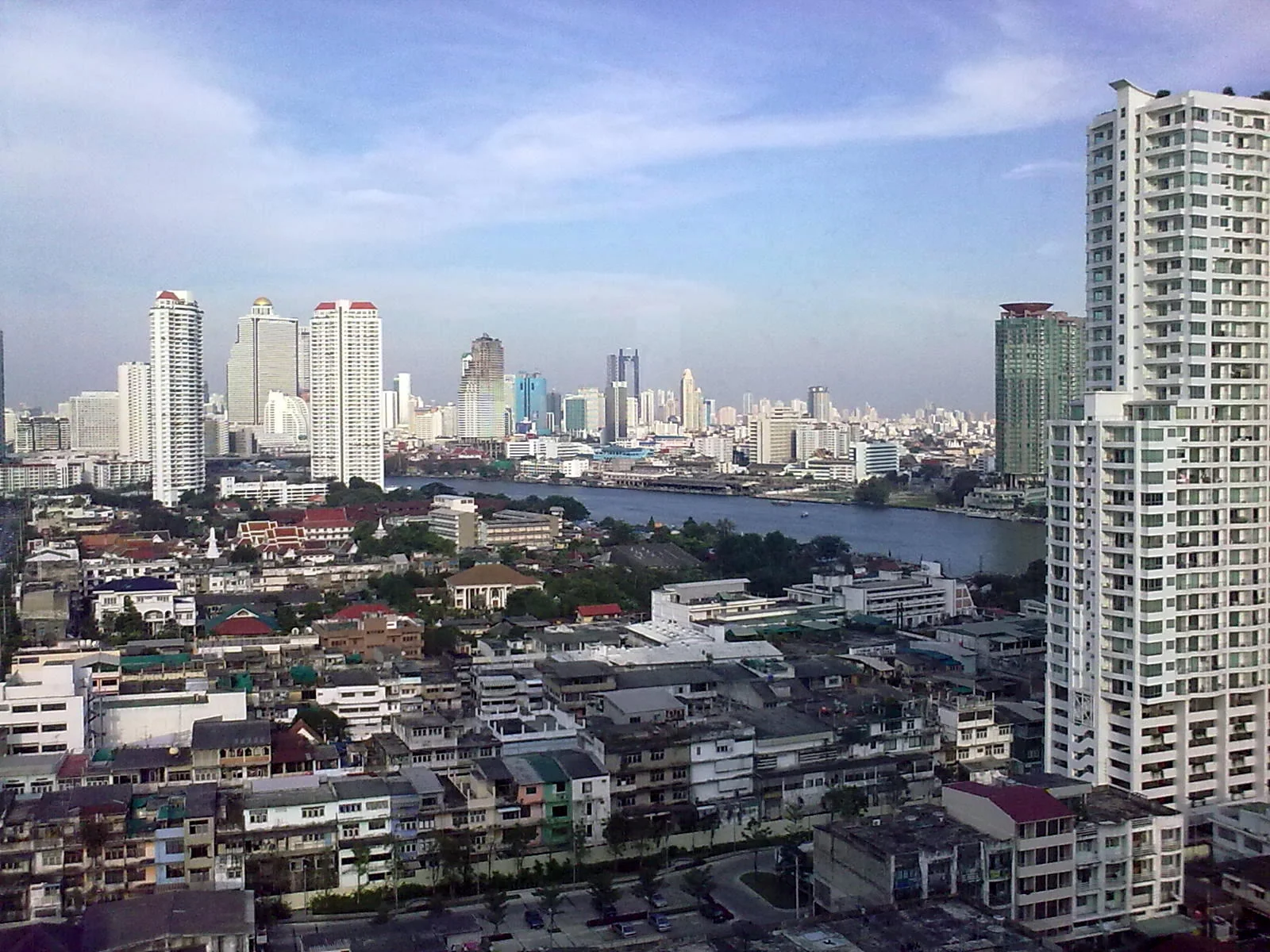 Photographer: Piyatad. Source: Wikimedia Commons. License: CC BY-SA 3.0.
Where to find SHA-certified hotels in Thailand
Nearly every established hotel in Thailand’s main tourist cities holds at least a base SHA badge, so the certification is a floor, not a shortlist. The more useful filter is our city picks, where we weight guest scores, location, and value rather than the badge alone. Start with the best SHA hotels in Bangkok for the capital and the best SHA hotels in Phuket for the beaches. For the rest of the country, see the best SHA hotels in Pattaya on the Gulf coast and the best SHA hotels in Chiang Mai in the north. Each list explains why a property is worth booking on its own merits, with the certification treated as the baseline it now is.
Frequently asked questions about SHA Extra Plus
What is the difference between SHA, SHA Plus, and SHA Extra Plus?
Is SHA Extra Plus still required to visit Thailand?
Does SHA Extra Plus mean a hotel is better quality?
Is the SHA badge still meaningful in 2026?
How can I verify a hotel’s SHA certification?
For more on planning a trip, see our guides to the best time to visit Thailand, the Thailand visa guide, and our Thailand itinerary frameworks. Our approach to recommending hotels is set out in how we review.