The same room, in the same Bangkok hotel, on the same night can cost you 84 percent more depending on which website you book it through. That is the part most booking guides skip. They hand you a list of apps, tell you to reserve about a week ahead, and call it advice.
Booking a hotel in Thailand really comes down to two separate calls that are easy to blur into one. The first is whether to lock a room at all or keep your dates open. The second is which channel to actually pay through once you have picked the hotel. Usually that is the channel with the deepest Thai inventory, or a second provider if free cancellation matters more. If you are heading to a city with surplus rooms, waiting can work in your favor. If you are heading to a small island in the dry season, it will not.
Get both calls right and you save real money. Get them wrong and you either overpay for a room or land on Koh Phi Phi with nowhere to sleep. This guide separates the two so you can make each one on purpose.
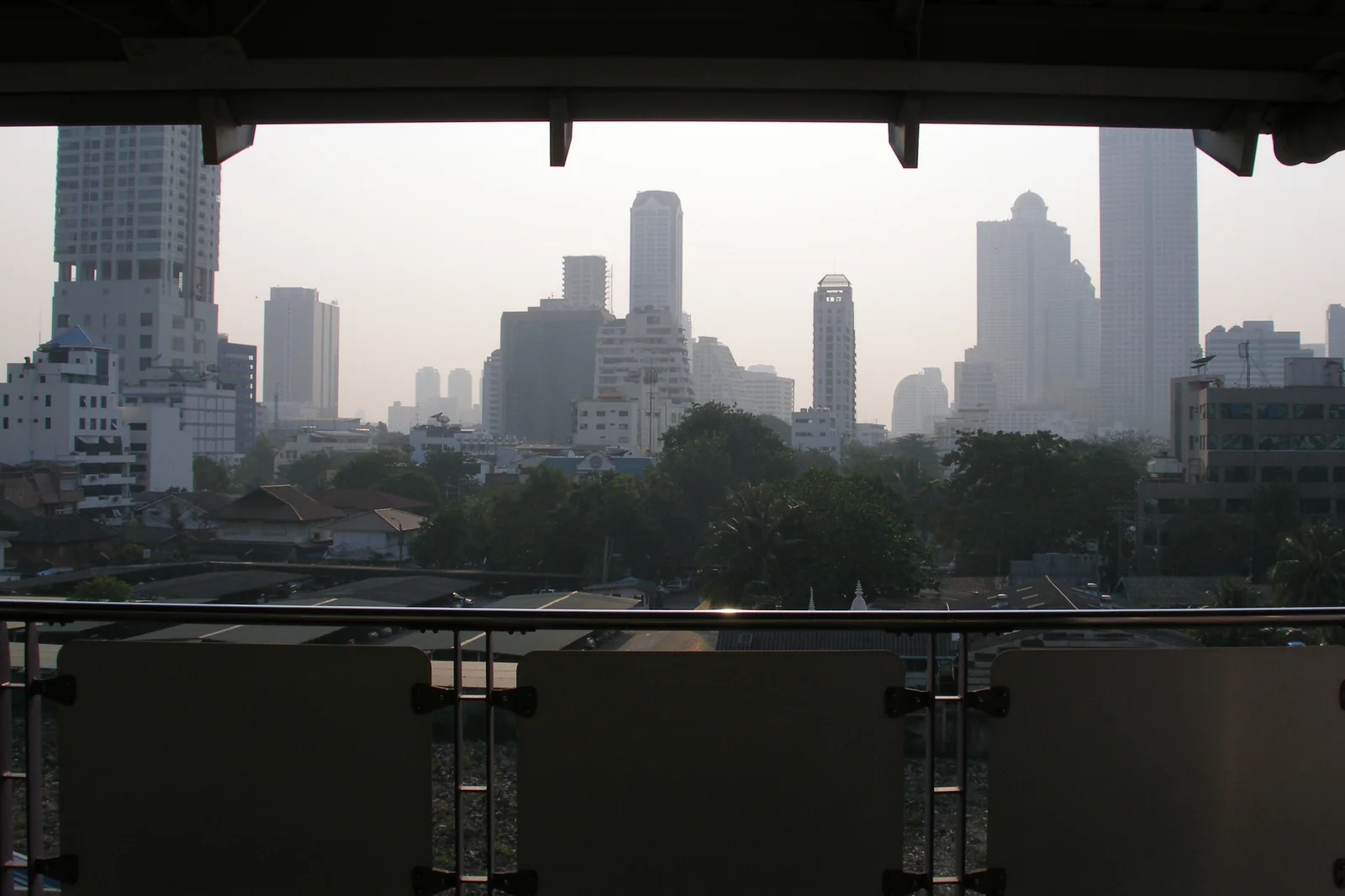 Photographer: Vyacheslav Argenberg. Source: Wikimedia Commons. License: CC BY 4.0.
The two booking decisions that actually move the price
Where you are going decides whether to book ahead. What you pay depends on the channel, not on how many days early you click.
A week of lead time captures most of the routine savings on a normal city stay. Push past that and the graph mostly flattens. The bigger swings come from two things the boring middle rarely separates. One is supply. A room in a city with thousands of hotels behaves nothing like a room on an island with forty. The other is the booking channel, where the exact same night can carry very different prices.
So treat them as two questions. First, is my destination one where rooms are scarce on my dates. Second, which channel gives me the best mix of price and flexibility for that specific room. The rest of this guide answers both.
Which channel to pay through, and what each one costs you
No single channel wins every time. The cheapest price, the most inventory, and the most flexibility usually live in three different places, so the honest move is to compare before you commit.
On one same room comparison posted to the Thai travel forum Pantip, the split looked like this once taxes and service charges were added in.
- Booking.com came out cheapest of the three tested, and it defaults to free cancellation.
- Agoda ran roughly 4 percent higher on the same room.
- The hotel’s own website ran about 84 percent higher, because rate parity rules stop properties from openly undercutting the apps.
That last number surprises people. Independent Thailand booking guides that test the apps in detail reach the same rough picture (Sapore di Cina, 2026). The hotels are not being greedy. They pay the apps a commission of roughly 15 to 20 percent, and their contracts stop them from listing a lower public rate. The direct saving is real, but it usually shows up only after you ask for it by email or phone.
Agoda, the app with the deepest Thai inventory
the deepest Thai inventory carries more small Thai guesthouses, island bungalows, and provincial properties than any rival. It often surfaces member rates that only appear once you are signed in on your phone. If you want the widest possible choice, especially outside the big cities, this is where to look first. Rooms start from about $8 a night at the budget end.
The trade off is that its lowest headline rates are often prepaid and non-refundable, and the full total with taxes only lands late in the booking flow. A few Thai forum users also mention the rare case where a property has no record of an app booking on arrival. A quick call to the hotel a day ahead settles it.
Booking.com, the app built around free cancellation
compare a second provider leans the other way. It defaults to free cancellation and reserve now, pay at the hotel rates, and it tends to show a clearer total earlier. On the Pantip test it was also the cheapest of the three. If you value the option to change plans over saving the last few baht, this is the one to book through.
It carries fewer of Thailand’s smallest budget and island properties than Agoda, so your choice narrows off the beaten cities. Pay at the hotel rooms can also be released if a card fails its pre authorization. Some small hosts will quietly ask you to book direct instead to dodge the commission.
The hotel’s own website
Direct booking rarely wins on the listed price, for the rate parity reason above. Where it earns its place is on longer and higher end stays. A direct reservation is what unlocks loyalty points, room upgrades, late checkout, and a human to call if something goes wrong. A polite note asking them to match the app rate often meets or beats it, and adds a perk on top.
For a one or two night city stopover, the apps are simpler and usually cheaper. For a week at a resort where you care about the upgrade, email the hotel first. Before you commit anywhere, it costs nothing to see live Bangkok rates across the major channels and use the lowest one as your benchmark.
Always price the same room in Agoda and Booking.com, plus the hotel’s own site, before you pay. Three tabs, two minutes, and the gap between them is often larger than a week of extra lead time would ever save you.
 Photographer: Adam Jones from Kelowna, BC, Canada. Source: Wikimedia Commons. License: CC BY-SA 2.0.
When to lock a room ahead, and when you can safely wait
Book your first two to three nights before you fly, every time. The rest you can often leave open. That first reservation gives you an address for the immigration arrival card and one less decision to make while you are still tired from the flight.
After that, geography decides. In Bangkok or Chiang Mai during the low season, roughly June to November, rooms are plentiful and prices soften. Booking a day or two out can genuinely cost less than locking in weeks early. In a big city you are rarely choosing between a room and no room. You are choosing between a good rate today and a slightly different rate tomorrow.
For a standard city stay, about a week of lead time captures most of the price advantage without gambling on availability. If you want the flexibility of waiting but hate the risk, book a refundable rate and pair it with travel cover so a change of plan costs you nothing. Our guide to the best time to visit Thailand breaks the seasons down region by region if your dates are still open.
The two to three night rule exists for a practical reason. Thailand’s arrival card asks for an address, immigration officers can ask to see a booking, and doing that admin from an airport queue is miserable. Lock the arrival, stay loose on the rest.
The island and festival windows that sell out early
The wait and see strategy breaks completely in two situations, and both are predictable. Small islands and big festivals run out of rooms, so those you book well ahead.
Places like Koh Phi Phi and Railay have a hard ceiling on beds. In the dry season from about November to March, the good rooms go weeks or months out. What is left near your dates is either the worst rooms or the worst prices. Island hotels fill fast, and the picture is the same across the Andaman coast, which is why our Phuket hotel guide exists to help you lock the right base early.
Festivals do the same thing to whole cities. Songkran turns Chiang Mai into a giant water fight every April and its hotels sell out well in advance. The Full Moon Party fills Koh Phangan on its own lunar schedule each month. If your trip overlaps either, book the room the day you book the flight, not the week you land.
Hotels versus Airbnb, and the 30 night rule that decides it
Airbnb has a real place in Thailand, and a legal line most guides gloss over. The line is 30 nights.
Renting a place for fewer than 30 nights, without a hotel license, is against Thailand’s 2004 Hotel Act. The penalty falls on the host, not the guest, and can reach 20,000 baht (about $560) plus daily fines. Enforcement is inconsistent rather than absent, listings do get pulled at short notice, and many condo buildings ban short term guests outright. As a guest you also give up a licensed hotel’s front desk, security, and recourse if the unit is not what the photos promised.
Where Airbnb genuinely wins is the long stay. For 30 nights or more, a whole apartment or villa with a kitchen splits cheaper across a family or a group. The month plus length also puts the booking on the legal side of the law. Whole homes start from around $15 a night at the budget end and climb from there. For anything shorter, a licensed hotel is the cleaner choice, and travelers who have run the numbers on longer stays reach the same legal conclusion (We Hate The Cold, 2026).
The 30 night line is not a technicality you can safely ignore. Some Bangkok condo buildings post notices in the lobby warning that short term rentals are barred, and a booking can be cancelled by the building even when the host accepted it. If your stay is under a month, a licensed hotel removes the risk entirely.
Deposits, pay at the hotel rates, and the check in details Thailand does differently
Two small things at the desk catch first time visitors, and both are normal here. Expect a deposit, and read the fine print on pay at the hotel rooms.
Most mid range and upscale hotels take a refundable deposit at check in, held on a card or in cash, to cover incidentals and the minibar. It is released or refunded at checkout once the room is looked over, usually within a few days on a card. It is not an extra charge, just a hold, but it helps to know it is coming so the amount on your statement does not alarm you.
If you booked a pay at the hotel rate, the room is only truly yours once the card behind it clears. A failed pre authorization can quietly release the room, so use a card with room to spare and check your booking confirmation actually says confirmed. None of this is unique to any one app, and none of it should change your plans. It just rewards the traveler who reads the confirmation before they fly.
Where to stay in Bangkok when you first land
Since most trips open with a Bangkok night, here are three anchors that make the first reservation easy. Each sits in a different part of the city, so pick by the neighborhood you want to wake up in rather than by price alone.
 SHA Extra Plus
★ 9.1
SHA Extra Plus
★ 9.1
Mandarin Oriental Bangkok
 SHA Extra Plus
★ 9.2
SHA Extra Plus
★ 9.2
Rosewood Bangkok
 SHA Plus
★ 9.1
SHA Plus
★ 9.1
The Okura Prestige Bangkok
For the full shortlist by area and price, our Bangkok hotel roundup lays out where each property puts you. The 3 day Bangkok itinerary shows how to spend the days once you have checked in. If you want to see how we test and score every property before it makes a list, here is how we review.
Frequently asked questions
Is it better to book hotels in Thailand in advance or when you arrive?
What is the cheapest site to book hotels in Thailand?
Is Airbnb legal in Thailand?
How far in advance should I book hotels in Thailand?
Is it cheaper to book directly with the hotel in Thailand?
Do hotels in Thailand require a deposit at check in?
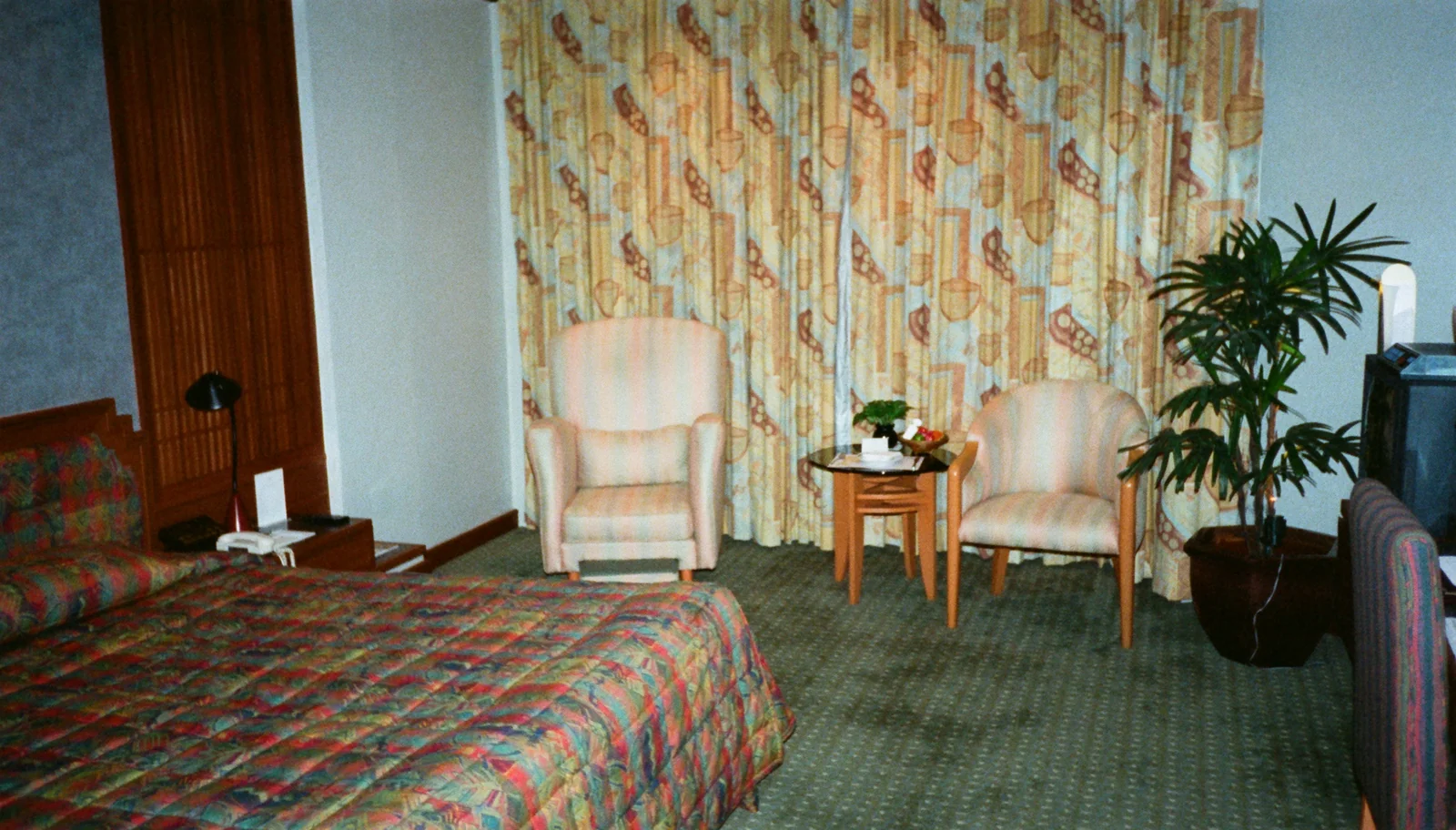 Photographer: John Pavelka from Austin, TX, USA. Source: Wikimedia Commons. License: CC BY 2.0.