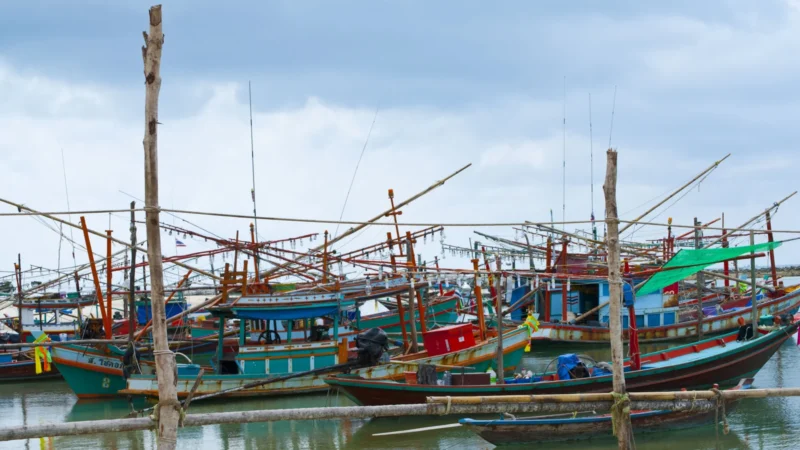
The first flower truck pulls into Pak Khlong Talat at 5:30am. By 6, the row of pickups along Chakphet Road is unloading marigolds and jasmine for the temple offerings the morning vendors will sell at the gate of Wat Pho three blocks south. The flower sellers do not speak much. They work under the orange streetlight that has not yet given way to dawn, and they are gone by 8am when the first tour buses arrive. The same block, six hours later, becomes a flower market for tourists. The morning belongs to the city that lives here. The afternoon belongs to the city that visits. Both happen on the same street. That is Bangkok.
This plan is for a first 3 day visitor who wants the temples, one big food night, and one rooftop, without wasting daylight on transit. If you have been to Bangkok before and want only nightlife and malls, skip the Day 1 temple loop and run Days 2 and 3 back to back. Most three day Bangkok plans start at a hotel pool and end at a rooftop bar. The strong plan starts with the rule the heat sets you. Temples open at 8am and the line at the Grand Palace passes 200 people by 9:30. The midday sun runs 33C with a UV index above 11. The Chao Phraya ferry across the river runs until 10pm. The rest of the itinerary builds around those three windows.
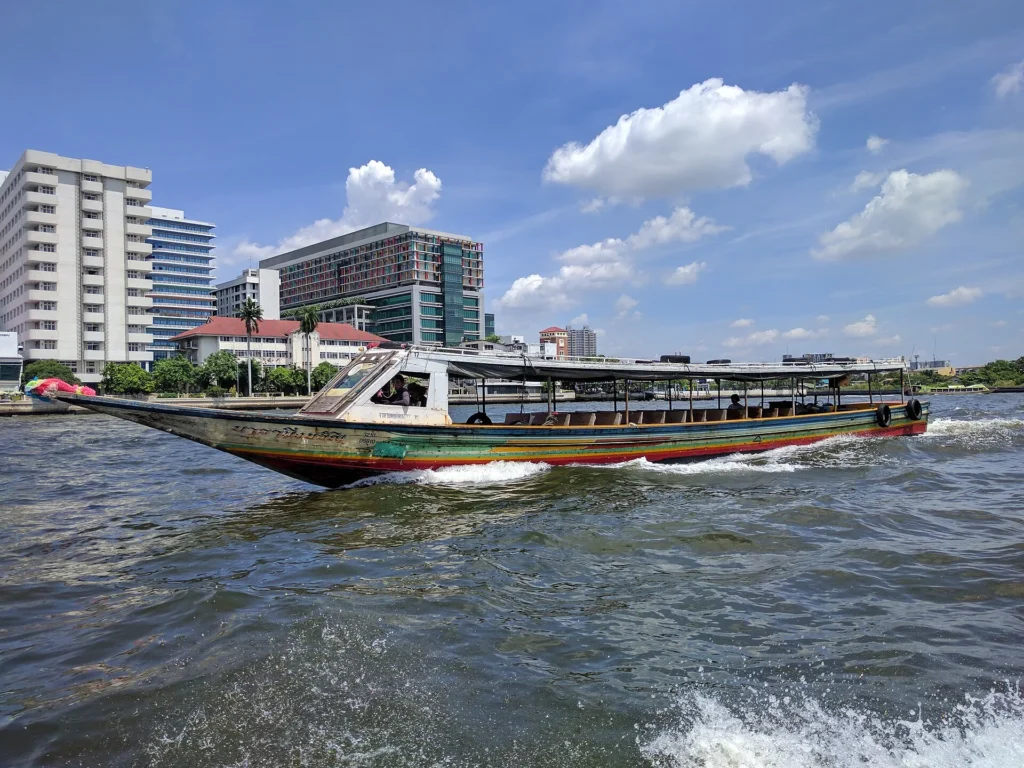 Photographer: Grendelkhan. Source: Wikimedia Commons. License: CC BY-SA 3.0.
Where to base for 3 days in Bangkok
One hotel for the whole trip. Switching mid trip costs a half day in checkout, Grab transit, and a re check in. The choice comes down to three clusters.
Riverside (Charoenkrung, Saphan Taksin BTS). Mandarin Oriental, Shangri-La, Avani Riverside cluster. Walk to the Chao Phraya pier in two minutes. Closest base to Wat Pho, Wat Arun, and the Grand Palace via the ferry across the river. Limited late night food after 10pm outside the hotels themselves. Best for first time visitors who want the Day 1 Old Town walk plus a Day 3 river loop without changing hotels.
Sukhumvit BTS corridor (Asok to Thonglor). Hilton Sukhumvit, Park Hyatt, Eastin Grand cluster. BTS in front of the door. Best for Day 2 mall and restaurant access. Reads the city as a chain mall product for the whole trip if you never leave the corridor. Asok to Thonglor on foot takes 25 minutes in 33C heat so the BTS becomes mandatory between stations.
The base location decision changes about 60 percent of the trip’s transit cost and time before any temple opens. A Riverside base over a Sukhumvit base saves about $40 in Grabs across the three days and shaves 20 to 35 minutes off each Old Town transfer.
Old Town (Rattanakosin, near Khao San). Boutique guesthouses, no BTS, no MRT. Walk to the Grand Palace and Wat Pho. Tradeoff. Every Day 2 Sukhumvit trip costs a 25 minute Grab and adds friction to the modern Bangkok day.
Nightly rates by cluster.
- Riverside five-star: $250 to $1,000
- Sukhumvit four-star: $80 to $250
- Old Town guesthouse: $30 to $120
Our pick if it is your first 3 days. Riverside. The Saphan Taksin BTS plus the Chao Phraya pier interchange lets a 3 day plan reach 90 percent of the core list without a Grab fare. The hotel rate premium pays for itself in saved transit time and a sunset rooftop within walking distance.
Day 1, the Old Town loop with Wat Pho at 8am
Wake at 7am. The Grand Palace opens 8:30am and Wat Pho opens 8am. Hit Wat Pho first because the 46 meter reclining Buddha hall fills with tour group queues by 9:30am. The Wat Pho ticket gate goes from empty at 8am to a 30 person line by 9:15 on a typical cool-season morning.
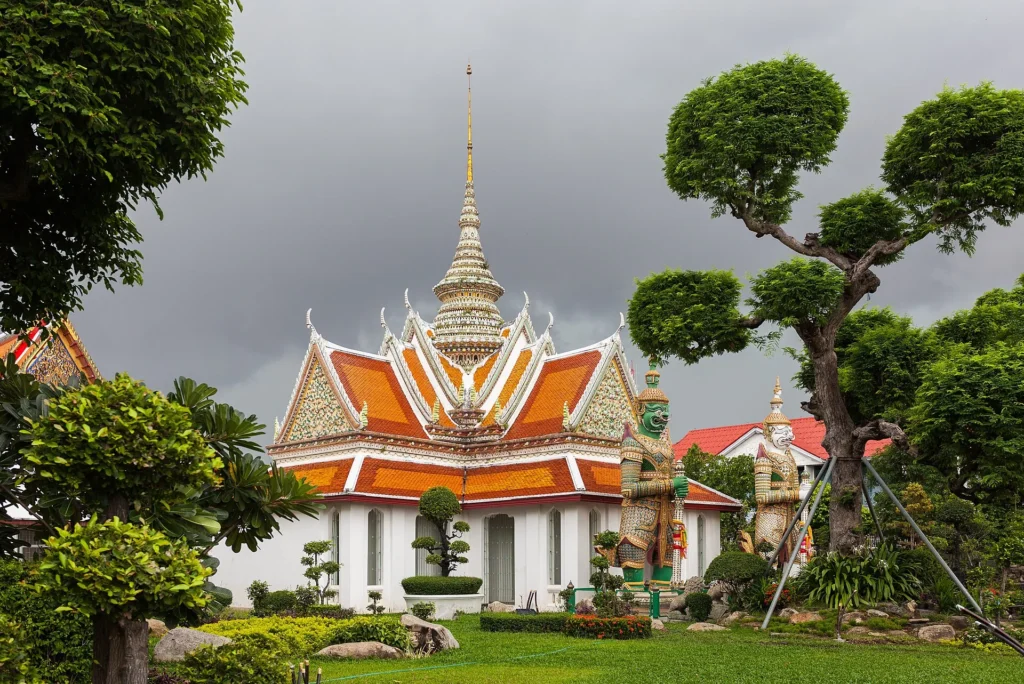 Photographer: Diego Delso. Source: Wikimedia Commons. License: CC BY-SA 3.0.
Wat Pho, 8am to 9:30am. Dress code rejects shorts above the knee and sleeveless tops for both genders. The rental sarong stand sits outside the gate. The on-site traditional massage school offers a one hour treatment that fills its 10am slots first, so save the massage for the end of the day instead.
- Entry: $6 per person (includes a small water bottle)
- Sarong rental: $0.60
- One hour traditional massage: $14
Grand Palace, 9:30am to 11am. Walk five minutes north from Wat Pho to the ticket gate. The ticket bundles the Grand Palace, the Emerald Buddha temple, and Vimanmek Mansion, though Vimanmek often closes for unscheduled royal use. The dress code rejects shorts, sleeveless, leggings as outerwear, and ripped denim. Free rental booth on site runs a 20 minute queue. The Emerald Buddha is the centrepiece and the only photo restricted hall. Be aware. Scams outside the gate from tuk tuk drivers claiming the palace is closed are persistent and documented. Entry runs $14 per foreigner versus free for Thais. For visitors who want to skip the queue, a Grand Palace skip-the-line tour bundles a Thai-speaking guide with priority entry.
Cross to Wat Arun, 11am. Walk back to Tha Tien pier behind Wat Pho. The Tha Tien to Wat Arun ferry across the river runs $0.15 per crossing every 10 minutes from 6am to 10pm. The crossing takes 3 minutes. By 11am the longtail captains are still calling for the private charter, while the public ferry sits half empty.
Wat Arun, 11am to noon. Entry $3 per foreigner. The 80 degree central prang stair climb is closed in rain. The upper tier holds about 30 people at a time which creates a 10 minute one way queue at peak hours. The actual sunset photograph requires shooting from across the river (the Eat Sight Story or Sala Rattanakosin terraces) rather than from inside the temple. So this is the photograph the temple stop, not the sunset stop.
The morning temple loop (Wat Pho, Grand Palace, Wat Arun) lands cleanest if you start at 8am and finish before noon. By 11:30am the Grand Palace queue runs 200 deep and the midday heat at the Wat Pho reclining Buddha hall climbs above 35C.
Lunch at Tha Tien, noon to 1pm. Cross back to the east bank. The Tha Tien Market and the adjacent food alleys serve khao kha moo (braised pork leg over rice) at $2-3. Air-conditioned cafes around the pier hold a 90 minute siesta before the afternoon.
Afternoon, 2pm to 5pm. Two options.
- Khlong (canal) longtail tour from Tha Chang pier. 90 minutes, up to 8 people, covers Khlong Bangkok Noi and Wat Arun from water level. $42 per boat.
- Wat Saket (Golden Mount). 318 steps to the top. Sunset arrives 6:18pm in May. $3 entry.
Dinner, Yaowarat (Chinatown). Grab from Old Town to Yaowarat runs 15 minutes. The street stall economy runs evenings only (about 6pm to midnight). No BTS reaches Yaowarat. MRT Wat Mangkon or Sam Yot stations work with a 5 minute walk. Three named stops.
- Jeh O Chula. Mama tom yum. Queue 60 to 90 minutes from 7pm. Kitchen closes 1am.
- T&K Seafood. The green shirts at Soi Phadungdao corner. 45 minute walk up wait at 8pm.
- Nai Mong Hoi Tod. Oyster omelette. No English menu, point and pay.
For visitors who want a guided introduction, a small group Yaowarat food walk covers eight stops in three hours.
Grab back to Riverside or Sukhumvit at 11pm runs $4 to $8.
Day 2, Sukhumvit malls and a Yaowarat alternative if you skipped it
Day 2 trades temples for the modern Bangkok layer. Malls, restaurants, rooftop. Sleep in. Start at 10am.
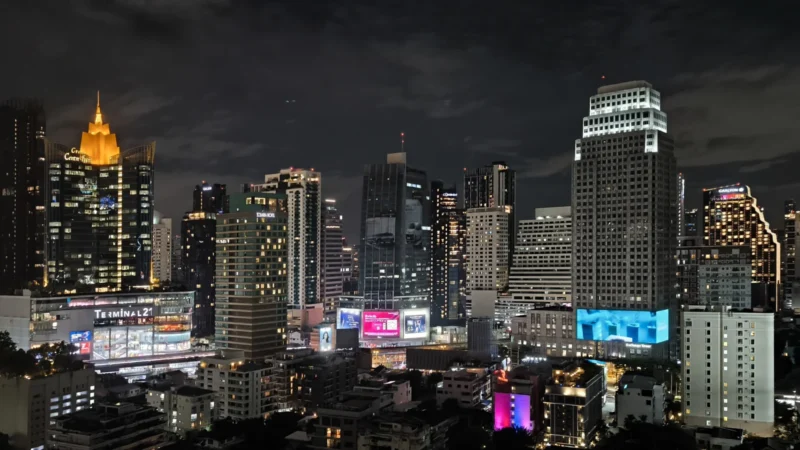
10am to noon, EmQuartier or Terminal 21. EmQuartier (BTS Phrom Phong) holds 250 shops and the rainforest atrium with the 40 meter waterfall. Terminal 21 (BTS Asok) styles each floor as a different city (Tokyo, London, Istanbul). Both keep the midday heat off and serve as the daily air-conditioned reset. Lunch in either food court runs $4 to $8 per dish.
1pm to 2:30pm, Soi 38 area or On Nut 38/1. The historic Soi 38 night market food strip has shrunk since the 2017 demolitions. A 2026 visitor finds the food cluster at On Nut Soi 38/1 instead (BTS On Nut, exit 2, 5 minute walk). Boat noodles, satay, mango sticky rice. The afternoon market opens 2pm. At 2pm the On Nut cluster still has about three of nine stalls setting up, so 2:30 is the safer arrival.
3pm to 5pm, MBK or Siam Paragon. BTS Siam interchanges the Sukhumvit and Silom lines. MBK holds 2,000 shops across 8 floors with a haggling culture (start at 50 percent of asking price). Siam Paragon runs a higher tier with the SEA LIFE Bangkok Ocean World below ground ($25 entry, 2 hour walk through).
The Bangkok midday heat from March to May runs 34 to 38C with UV index above 11. Plan two air-conditioned stops between noon and 4pm. Walking between BTS stations on foot is a heat-stroke risk for visitors not yet acclimated.
6pm to 8pm, sunset rooftop. Two picks. Either way, sunset arrives 6:18pm to 6:35pm depending on month. The dress code rejects open toe sandals and shorts at both.
- Sky Bar at Lebua (Silom). 63rd floor. The Hangover Part II view. Last entry 11pm sharp. Cocktails run $18 to $26 plus tax. Land 6pm before the 7pm crowd.
- Vertigo at Banyan Tree. 61st floor open-air. Less famous so less crowded. Cocktails run $16 to $22.
Dinner, Soi 11 or Thonglor. Soi 11 holds the high density bar and restaurant cluster with Bar Storia del Caffe, Charcoal Tandoor, and Hyde and Seek. Thonglor runs higher end with Le Du (one Michelin star Thai tasting, $90 per head, reserve 14 days out) and Bo.lan. The BTS closes at midnight so a 1am Thonglor return runs a Grab fare to either Riverside or Old Town.
If you skipped Yaowarat on Day 1, swap the Soi 11 dinner for it tonight. The food crawl is the single best value evening in Bangkok and a 3 day plan that misses it lands incomplete.
Day 3, the Chao Phraya river or an Ayutthaya day trip
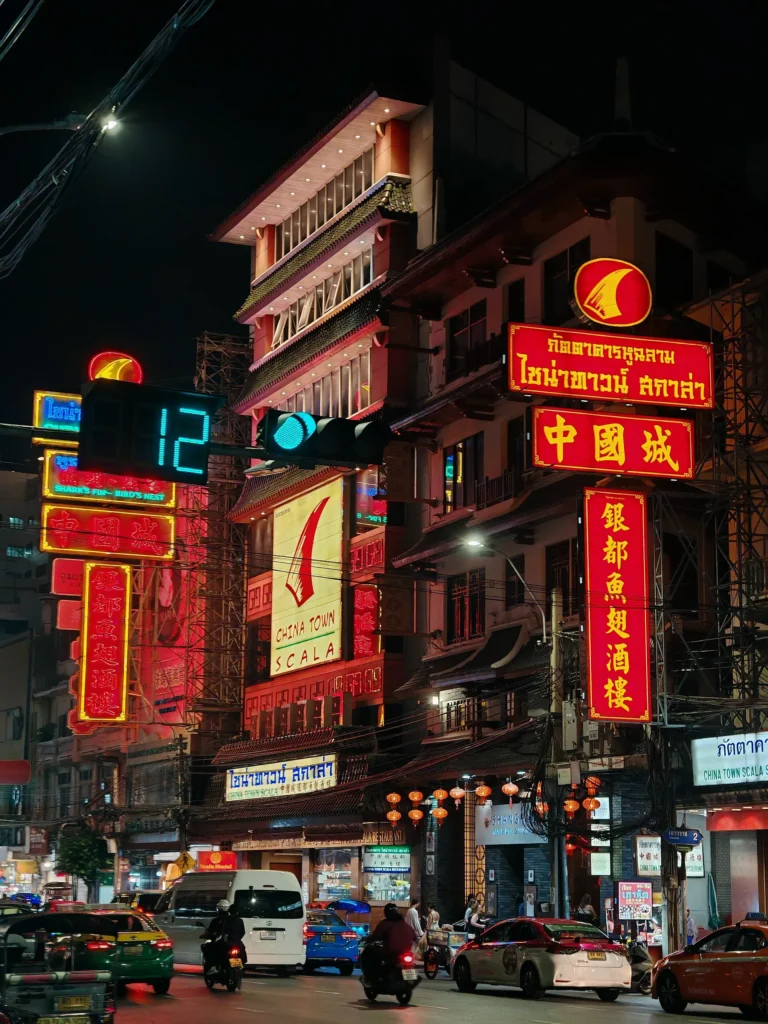 Photographer: Deepak-nsk. Source: Wikimedia Commons. License: CC0.
Two valid Day 3 plans. Pick based on temple fatigue.
Option A. Chao Phraya river piers loop. For visitors who want a slow water level day inside the city. The blue flag Chao Phraya tourist boat runs 9am to 7pm with 30 minute headways. The day pass covers 9 piers from Sathorn to Phra Athit. Total cost about $8 per person for boat plus $20 for lunch.
Suggested route.
- 9am Sathorn pier (Saphan Taksin BTS).
- 10am IconSiam. Thailand’s largest mall, with the Sooksiam Thai craft floor at ground level.
- Noon Tha Tien. Lunch, walk Wat Pho exterior if missed Day 1.
- 2pm Phra Athit. Khao San area, 25 minute walk to Democracy Monument and Khlong Banglamphu.
- 4pm back south to Sathorn.
The orange flag local boat runs the same route for $0.50 per ride with no English announcements. Day pass on the blue flag tourist boat runs $5.70. The orange flag boat north at 9am is usually standing room only, but it costs a tenth of the tourist pass.
Option B. Ayutthaya day trip. For repeat Bangkok visitors with temple fatigue, or first timers with strong history interest. Ayutthaya sits 80 km north and held the Ayutthaya Kingdom capital from 1351 to 1767. Four main wat ruins cluster across a 6 km radius.
- Wat Mahathat. The Buddha head in the bodhi tree roots.
- Wat Phra Si Sanphet. Three royal chedis, the model for the Grand Palace.
- Wat Chaiwatthanaram. Khmer influenced. The lighting program runs only on weekends 7pm to 9pm.
- Wat Yai Chai Mongkhon. The reclining Buddha and the climbable central chedi.
Transport options from Krung Thep Aphiwat (the former Hua Lamphong replacement).
- Third class commuter train. 90 minutes, no AC, no reserved seats. $0.60.
- First class express train. 60 minutes. Only 2 morning departures and a return at 4:30pm, so a missed train kills the day. $7.
- Private car with driver for the day. $90 to $130.
On arrival, hire a tuk tuk for the day at $35 to cover the 4 wats. The midday heat at the ruins runs 35C from March to May with no shade between the chedis, so start by 9am and reach Wat Chaiwatthanaram by 4pm for late afternoon light. Tuk tuk drivers outside the Ayutthaya station hold to around $35 for the day after a short back and forth.
Pick Option A if the trip dates fall in March to May (peak heat makes Ayutthaya brutal). Pick Option B if the trip overlaps a weekend (the Chaiwatthanaram night lighting is the photograph). Either way, return to Bangkok by 8pm for a final dinner.
Bangkok transit math, BTS vs MRT vs Grab
The transit choice is the second biggest cost and time variable after where you base.
Practical rule. BTS or MRT for any trip during operating hours. Grab after midnight or with three or more people (the fare splits). The Chao Phraya boat is the only sensible option for the Day 3 river loop. Tuk tuks for the experience, not for transit.
What to watch for on a first Bangkok trip
The Grand Palace closed scam. Tuk tuk drivers outside the gate tell you the palace is closed for a Buddhist holiday or a royal ceremony and offer to drive you to another temple instead. The other temple is a gem shop. The Grand Palace is almost never closed to tourists. Walk straight in. Tourist Court records show this scam has run since the 1990s and has not gone away.
The four most cited Bangkok scams cluster on the Grand Palace gate, the Khao San tuk tuk strip, the Sukhumvit and Silom taxi queues, and the gem shop tour. Closed palace, fixed meter taxi refusal, fake jewellery commission, and the Patpong ping pong show ticket cover are the four to refuse on sight.
Khao San Road for adults over 28. The backpacker strip plays one note. A single 30 minute walk through covers the cultural tourism value. Yaowarat does the late night Bangkok role better for the same time investment. Skip on a 3 day trip unless your plan includes a deliberate cultural shock segment.
Floating markets. Damnoen Saduak and Amphawa cost a full day in transit (75 to 90 minutes each way) and stage the floating vendor experience for tour groups. The food and crafts are better at Yaowarat and Chatuchak. Skip on a 3 day trip.
The full day Damnoen plus Maeklong railway market combo tour. 9 hours, $50 to $70 per person, returns at 6pm spent and sunburned. A 3 day Bangkok visitor cannot afford this day.
Asiatique riverfront. A waterfront shopping village built for tourists. The food court runs chain stalls. The Chao Phraya tourist boat does not stop there during the day. Skip unless the trip aligns with a Calypso cabaret show booking.
Snake farms and tiger sanctuaries. Multiple welfare concerns, documented and ongoing. Skip on principle.
Fixed meter taxi refusal at Suvarnabhumi. The official taxi queue at Suvarnabhumi arrivals has a $1.40 airport surcharge plus meter. Some drivers will quote a flat $22 and refuse the meter. Refuse the ride and queue again. A pre-booked private transfer beats the queue and the meter argument entirely.
Where to stay in Bangkok for 3 days
Three SHA-certified picks across the Riverside cluster. Each one places a 3 day visitor inside walking distance of the Saphan Taksin BTS plus the Chao Phraya pier, the single most useful location for the Day 1 Old Town loop and the Day 3 river plan.
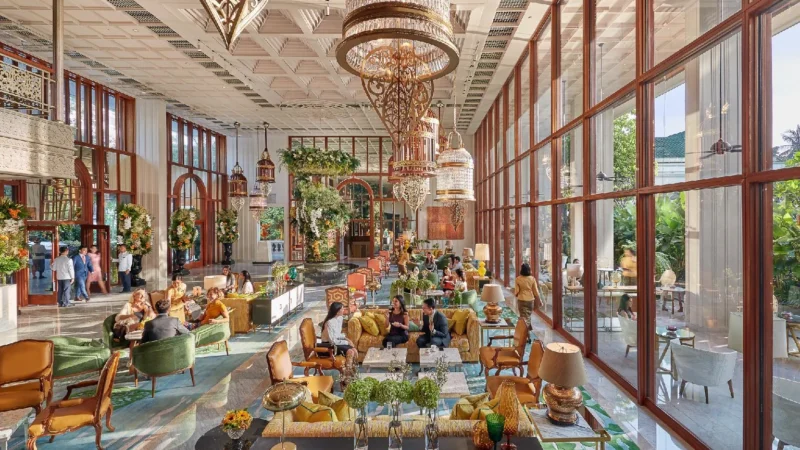 SHA Extra Plus
★ 9.1
SHA Extra Plus
★ 9.1
Mandarin Oriental Bangkok
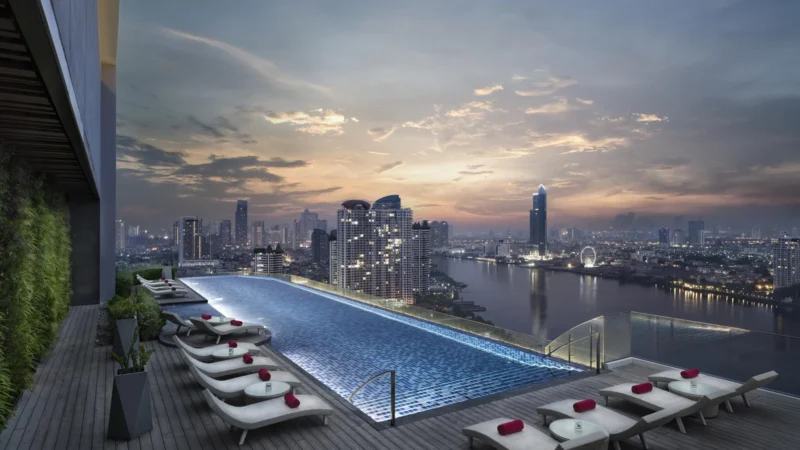 SHA Plus
★ 9.0
SHA Plus
★ 9.0
Avani+ Riverside Bangkok Hotel
See our full Bangkok SHA hotel roundup for 10 options including Sukhumvit and Sathorn alternatives. Our Mandarin Oriental Bangkok review covers the Le Normandie dining and the Bamboo Bar reality at length. Pair this itinerary with our best things to do in Bangkok and best restaurants in Bangkok guides. Sunset rooftop research lives in our Bangkok rooftop bars guide.
Practicalities for a 3-day Bangkok trip
The booking the trip needs, in one block. All cloak links open in a new tab.
- Airport transfer. Suvarnabhumi Airport Private Transfer. Driver tracks the flight, beats the high season 90 minute taxi queue at BKK arrivals, runs $22 to $36 for up to 3 passengers depending on Riverside or Sukhumvit drop off.
- Grand Palace skip-the-line. Grand Palace and Wat Pho Skip-the-Line. The 9am gate line runs 200 deep in cool season and the dress-code check adds 20 minutes on top. The skip tour bundles a Thai-speaking guide.
- Yaowarat Chinatown food walk. Yaowarat Food Walk. Three hours, eight stops, small group, includes Jeh O Chula and Nai Mong Hoi Tod.
- Ayutthaya day trip. Ayutthaya Day Trip. Beats the train-and-tuk-tuk juggling, includes lunch and the 4 main wats in one day.
- Inter province transit. Bangkok to Chiang Mai. Overnight sleeper train runs $24 to $40, the 1 hour 15 minute flight runs $30 to $110 depending on lead time.
- Arrival flights. Flying in from the region is often cheap. See our Hong Kong to Bangkok flights guide for routes and timing.
- Travel insurance. Travel insurance for Thailand. From $2 a day. Covers tour cancellation refunds, monsoon flight delays, medical evacuation, and scooter risk (the one cover most standard policies exclude).
See also our Best Street Food in Bangkok (2026): 12 Stalls by Neighborhood.
See also our Best Michelin Restaurants in Bangkok (2026): Tasting Reality.
Frequently asked questions
Is 3 days enough for Bangkok?
What is the best area to stay in Bangkok for 3 days?
How much money do you need for 3 days in Bangkok?
What should you not miss in Bangkok in 3 days?
Is it better to use BTS or Grab in Bangkok?
Can you do Ayutthaya as a day trip from Bangkok?
What is the best time of year to visit Bangkok?
Back at Pak Khlong Talat at 5:30am on Day 4, the same flower trucks will pull in. The same row of marigolds will unload onto the same concrete. The buyers will not be the temple offering vendors today but a different shift, the ones running the hotel arrangements for tomorrow’s weddings, and the morning will not know the difference. Three days is the length of one short cycle on this city. It is enough to learn the rhythm. Morning belongs to the temples, afternoon to the malls, sunset to the rooftops, evening to the shophouses of Yaowarat. After three days a visitor knows which hour Bangkok is most itself in, and which hour to be elsewhere. That is the trip.
Full property review. Read our Mandarin Oriental Bangkok review, if you want the Chao Phraya address with Authors Wing heritage.
For multi city Thailand routing decisions, trip length frameworks, and season planning, see our complete Thailand itinerary guide.