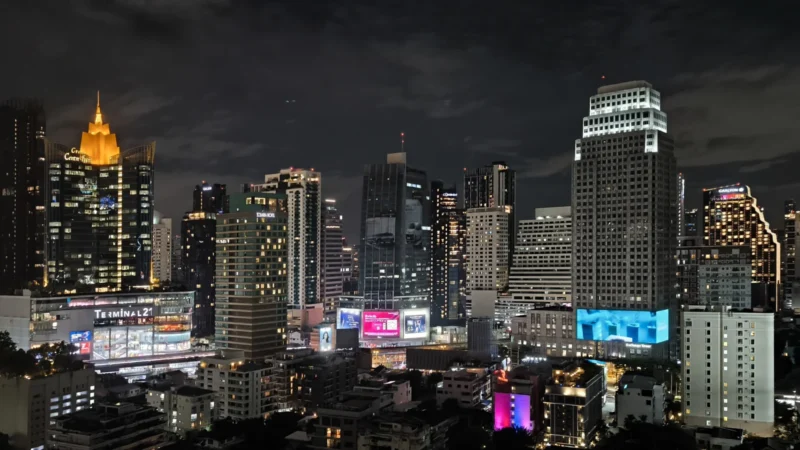
Bangkok now holds more tables worth crossing the world for than any single trip can cover. The real question for 2026 is not which restaurant is best. It is which booking you can actually land, at which price, before the calendar slams shut.
The 2026 guide pushed the city deeper than ever. Two kitchens now hold three stars, a short list holds two, and the bench of restaurants with one star runs 33 deep, propped up by a Bib Gourmand list of 137 cheaper tables. Most visitors get one or two real reservations on a Bangkok trip. So we have ranked these by what each one actually delivers, what it costs once service and tax land, and how hard it is to get through the door. If you are still shaping the rest of the trip, our guide to the best things to do in Bangkok and a plan for three days in Bangkok pair well with a single big dinner.
Bangkok’s Michelin map in 2026, two three-star tables and a deep bench
The shape of the list matters before any single name does. The top is now genuinely hard to reach, and the middle is where most travelers should actually aim. Here is how the 2026 stars break down.
- Three stars: Suhring and Sorn. The two hardest seats in the country, and the most expensive.
- Two stars: a small group including Le Normandie and Mezzaluna, both classic rooms with a view and a French pedigree.
- One star: 33 restaurants, from Le Du and Gaa to a Chinatown townhouse and a street stall in the Old City.
- Bib Gourmand: 137 tables that feed you well under roughly $25, the value tier most locals eat from.
The pattern across the guide, the English food press, and Thai platforms like Wongnai is consistent. The praise goes to ingredient sourcing at the top and to value lower down. The complaint is almost never about the cooking. It is about access, and about the bill after the extras.
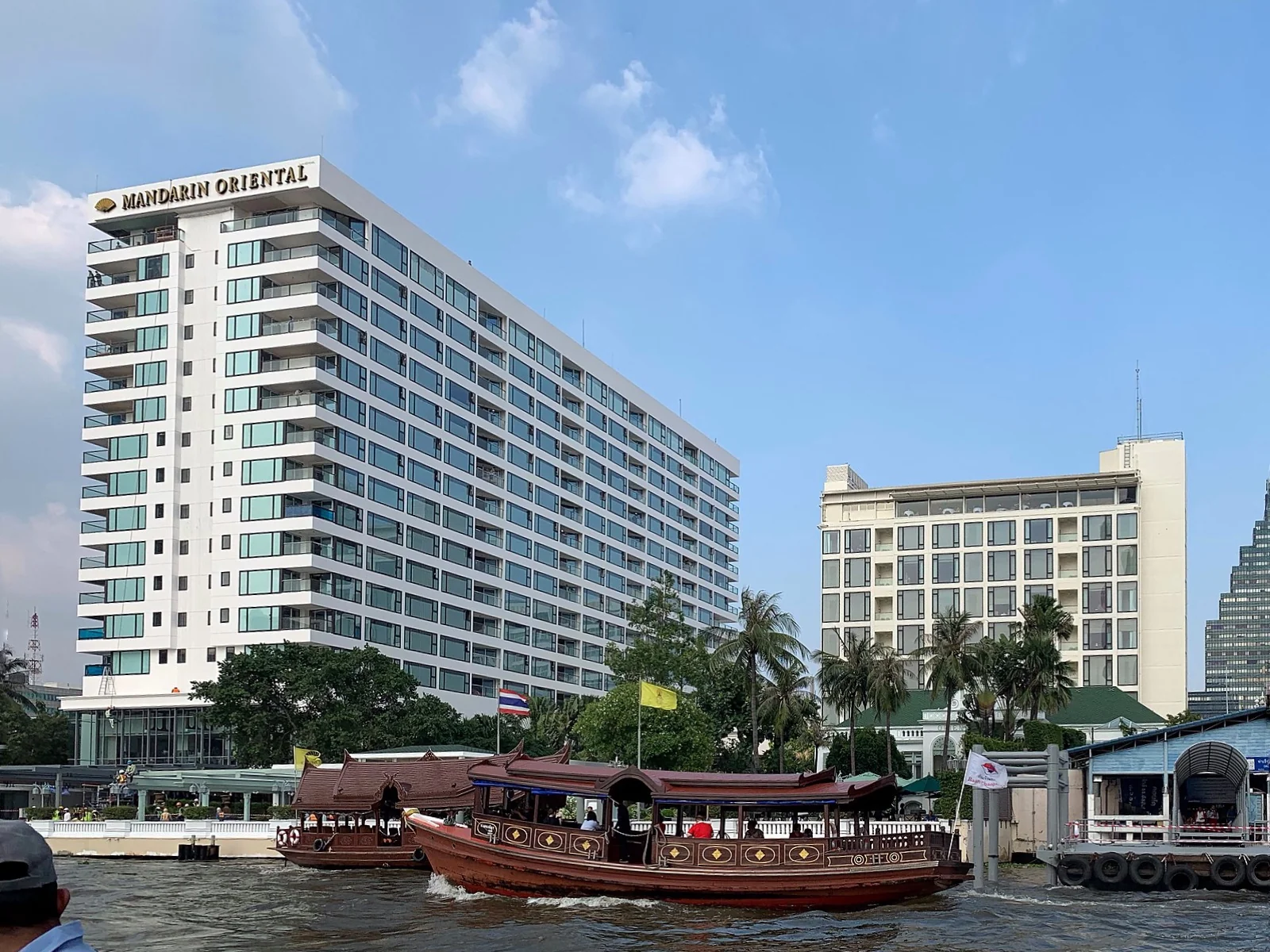 Photographer: Chainwit.. Source: Wikimedia Commons. License: CC BY-SA 4.0.
Suhring, the modern German three-star nobody expected
Suhring (ซือริง) is the surprise at the top of the 2026 list. Twin brothers Mathias and Thomas Suhring cook modern German food, not Thai, inside a converted house from the 1970s in the quiet Yen Akat area south of the center. The cooking is technical and tightly coursed, and it earned the city’s newest third star this year.
What guests single out is precision. Reviewers describe a long menu that builds slowly, with the kind of control that reads as German rather than playful. The room is intimate, which is part of the appeal and part of the problem. Seats are few, and the new third star has made an already tight booking harder.
The honest catch is the disconnect. This is German fine dining at roughly $225 to $280 a head before wine, in a country people fly to for Thai food. If you have already eaten your way through Bangkok and want a technical showpiece for one night, it rewards you. If this is your only big dinner in Thailand, the cuisine fights the trip. Suhring works for diners chasing the newest top table who care more about a coursed narrative than about eating Thai while they are here.
Sorn, the Southern Thai table you plan a trip around
Sorn (ศรณ์) is the one most people mean when they ask which booking is impossible. It holds three stars for an elevated Southern Thai tasting menu built on seafood, chili heat, and an obsessive hunt for regional ingredients, from chef Supaksorn Jongsiri, who largely taught himself to cook this way. For many diners it is the single most singular meal in the country.
The access problem is real and specific. The room seats around forty across two evening services. International reservations open at midnight Bangkok time on the fifteenth of the month, and returning guests report the calendar filling within minutes of release. The spice level is genuinely Southern, not tuned down for visitors, which is exactly why people chase it.
At roughly $205 a head it is not the most expensive seat in town, but it is the most demanding to win. Sorn works for the diner willing to organize a whole trip around one hard reservation. If your dates are fixed and tight, treat it as a long shot rather than a plan, and have a second table ready.
The single highest-value move for any Bangkok Michelin trip is to book before you book your flights. Sorn’s international seats open at midnight Bangkok time on the fifteenth, and the three-star tables routinely fill one to two months out. Lock the restaurant date first, then build the rest of the trip and the hotel around it.
Le Normandie and Mezzaluna, the two star rooms with a view
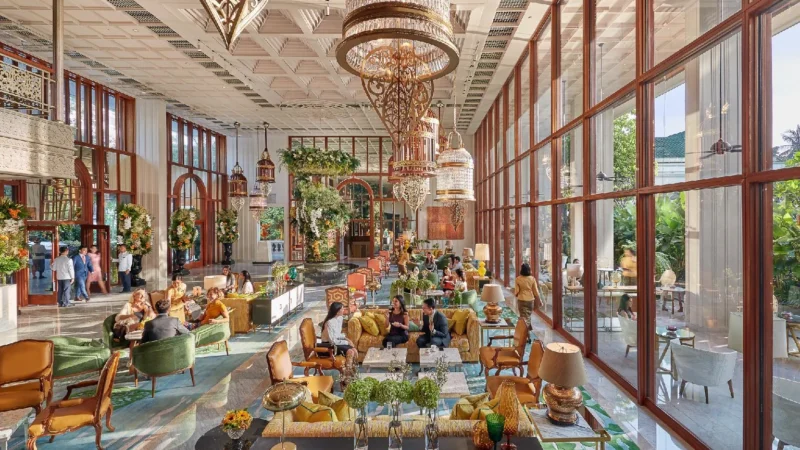
The two restaurants holding two stars are where grandeur lives. Le Normandie sits on the river side of the Mandarin Oriental Bangkok, now cooking classical French under Anne-Sophie Pic and promoted to two stars in 2026. It is dressed up, formal, and among the most expensive meals in the city. Some diners find the formal old Mandarin setting stiff next to the younger starred kitchens, which is the point for the anniversary crowd it serves and a turnoff for anyone after a relaxed night.
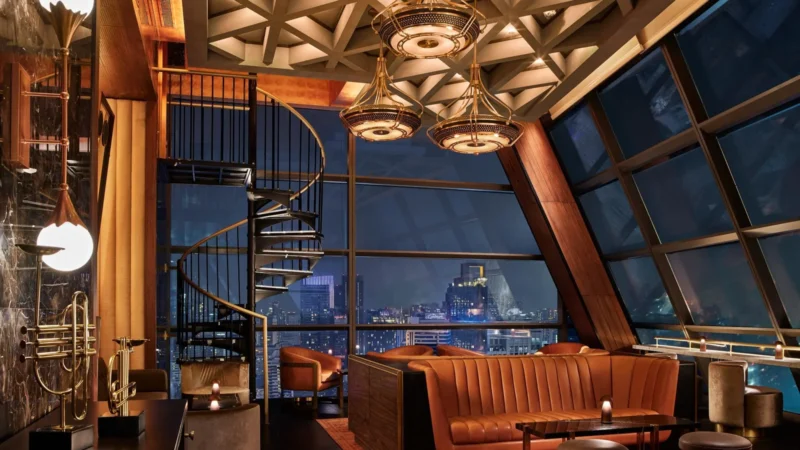
Mezzaluna takes the opposite approach to the same price tier. It sits on the 65th floor of State Tower with a Japanese-French tasting menu and a panoramic skyline that does half the work. The view is the occasion. The flip side is a bill as high as the floor and a crowd of tower tourists drawn by the rooftop bars below, so the room can read as spectacle rather than quiet focus. Both two star rooms run north of $250 a head once wine and the extras land. If a view matters as much as the plate, Mezzaluna wins. If the cooking is the whole point, Le Normandie has the deeper kitchen. For a drink with the same skyline at a fraction of the cost, the city’s rooftop bars are the cheaper play.
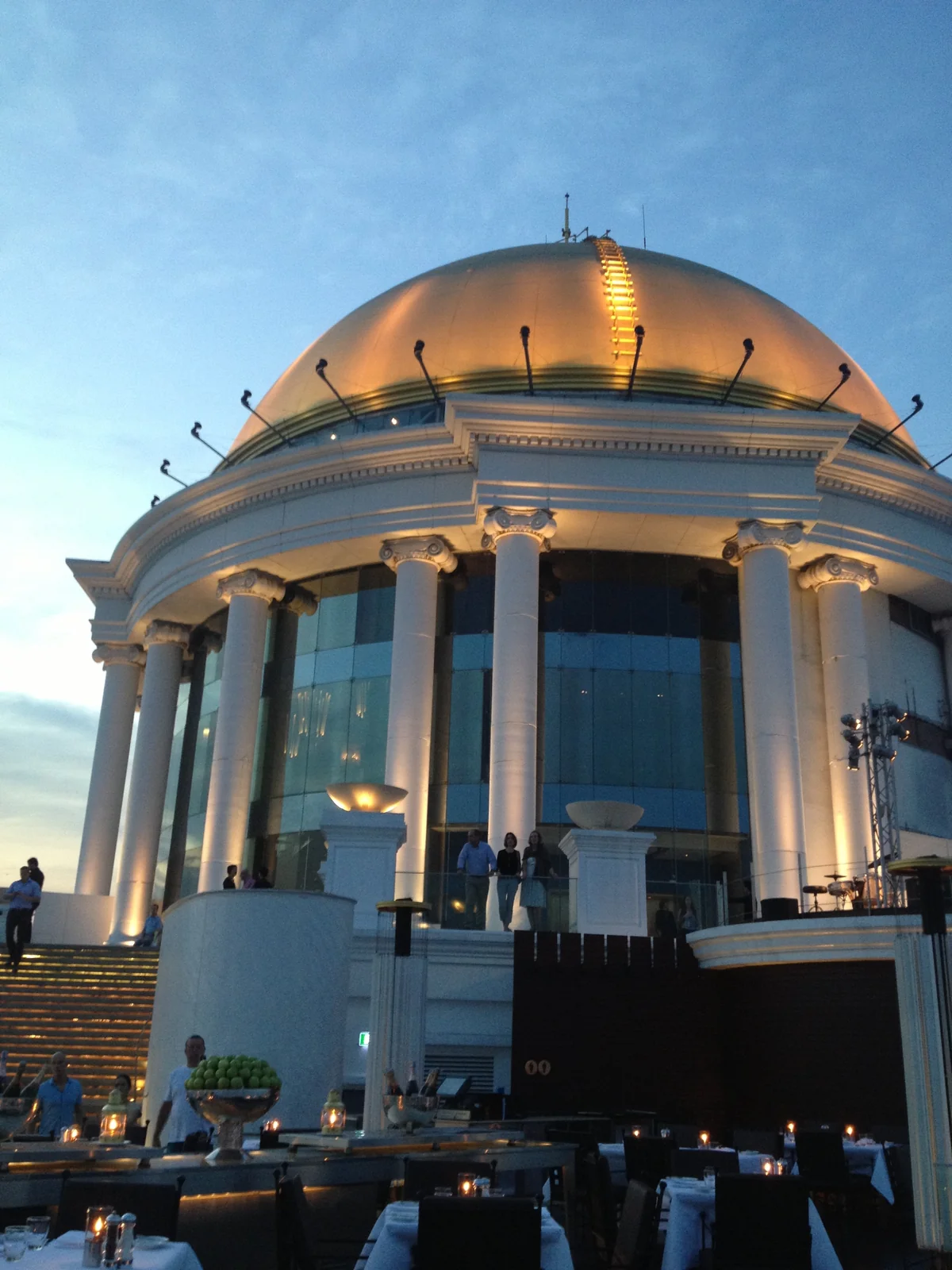 Photographer: Na derdingseben. Source: Wikimedia Commons. License: CC BY-SA 3.0.
Le Du, the one star most visitors should book first
If you want the clearest single expression of modern Thai cooking without the three-star booking war, Le Du (ฤๅดี) is the answer. Chef Thitid Tassanakajohn runs a small room in Silom that ranks among Asia’s 50 Best, and the tasting menu lands around $160, well below the tables at the top. It is the table we would send a first time diner to before any other.
The honest notes are size and math. The dining room is small and books out well ahead, so a week of notice rarely works. And the menu price is not the bill. With the standard 10 percent service charge and 7 percent VAT, the total climbs closer to $185 than the listed number suggests. Travel writers who have eaten there, including Nomadic Foodist, consistently rate it as the best value introduction to the city’s starred cooking. Le Du works for the diner who wants modern Thai done seriously, at the gentlest price of any seated star here.
Gaa and Potong, the one star tables doing the boldest cooking
Two more tables with one star are where the cooking gets most interesting. Gaa, in a warm wooden house off Thong Lo, runs India’s flavors through modern technique under chef Garima Arora, the first Indian woman to earn a Michelin star. It is interpretive rather than traditional, so guests expecting either a classic curry house or a Thai tasting menu can leave puzzled. The house seats few, which keeps booking tight.
Potong (โพทง) is the harder ticket of the two. Chef Pichaya Soontornyanakij cooks progressive Thai-Chinese food inside her family’s former pharmacy in Talat Noi, a restored townhouse of five floors that has become one of the most talked about rooms in Asia. Both tables run roughly $130 to $150 a head, and both reward diners who want a point of view over a safe meal. The catch with Potong is purely logistics, covered below.
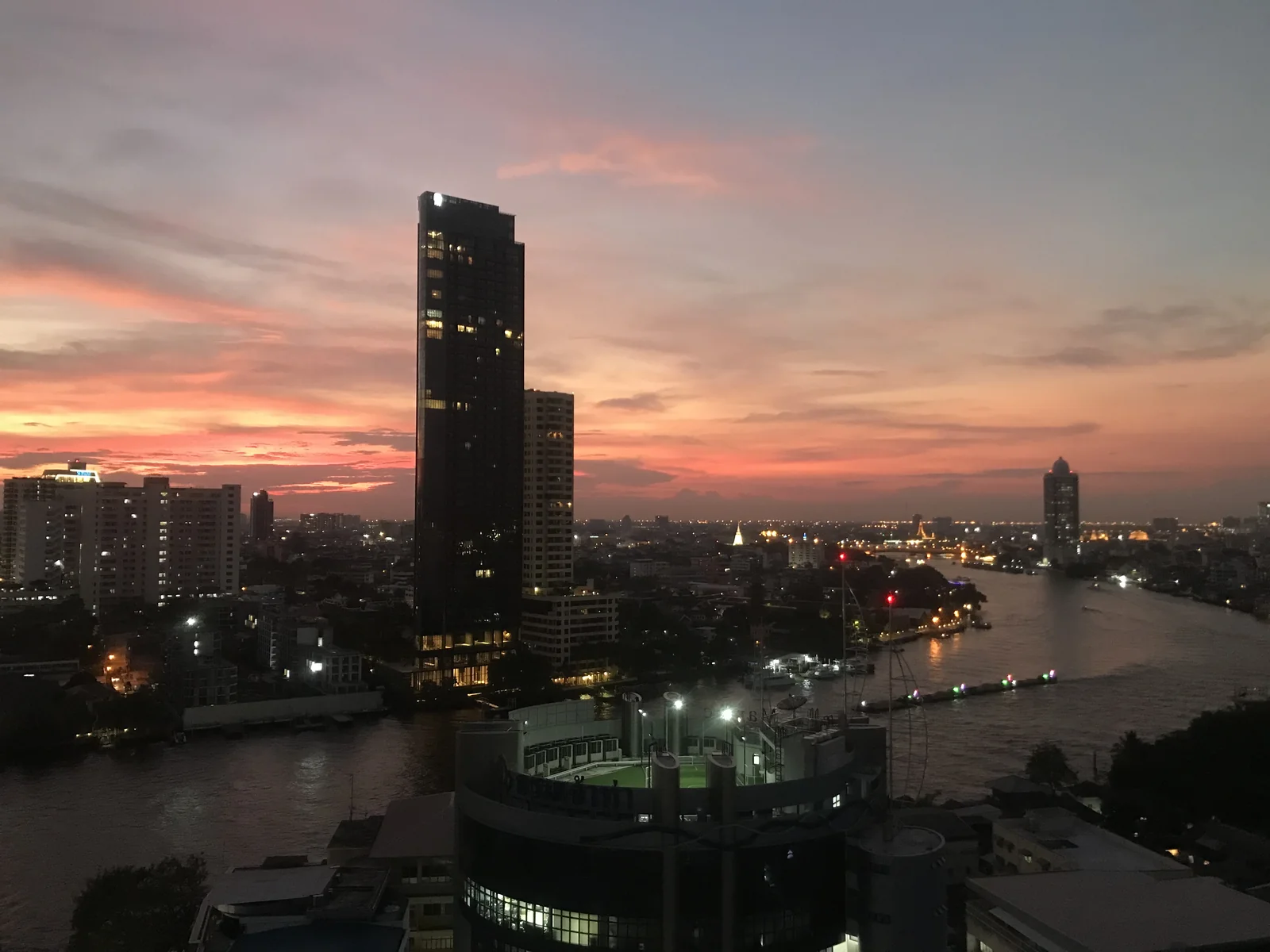 Photographer: Linh Anh Moreau. Source: Wikimedia Commons. License: CC BY-SA 4.0.
Potong sits deep in Talat Noi, the tangle of old Chinatown lanes near the river. Cars cannot reach the door, so a taxi or ride app will drop you on a larger road and leave a short walk through congested alleys. Returning guests suggest arriving in daylight for the first visit, both to find it without stress and to see the neighborhood’s street art and shophouses on the way in.
Jay Fai, the one star street stall you can queue for
Jay Fai (เจ๊ไฝ) is the outlier on the entire list, and the reason it stays famous. Supinya Junsuta, the chef who cooks in motorcycle goggles over two charcoal burners on Maha Chai Road, holds a Michelin star for street food in the Old City. There is no tasting menu and no month of lead time. There is a queue.
The signature crab omelet runs about $45, which is steep for street food and cheap for a starred plate. The trade is your time. The line can run for hours, the wait is unpredictable, and the roadside setting is the opposite of a comfortable fine dining night. Jay Fai works for the traveler who wants a star without the booking war or the tasting menu bill, and who treats the wait as part of the story. For the rest of the city’s roadside cooking, our Bangkok street food guide covers the stalls worth the detour.
How to actually land a reservation, table by table
Access is the real skill here, and it differs by restaurant. A few patterns hold across the 2026 list.
- Sorn: international seats open at midnight Bangkok time on the fifteenth of the month. Be online at release. Have a backup.
- Suhring and the two star rooms: book one to two months ahead, more around peak season from December to February.
- Le Du, Gaa, Potong: usually reachable a few weeks out in quieter months, tighter once Asia’s 50 Best season hits.
- Jay Fai: no reservation. Arrive early, expect a long wait, bring cash.
Reservations for the seated tables run through each restaurant’s own booking platform, and deposits or card holds are common at the top. If wrestling with reservation windows is not how you want to spend the trip, a concierge or a booking service can chase the harder seats for you. Check current reservation availability before you fix your dates.
What a Bangkok Michelin meal really costs after extras
The menu price is rarely the number you pay. A 10 percent service charge and 7 percent VAT get added to most checks at the starred tables, and wine moves the bill fast. Here is the realistic spend per person, food only, before drinks.
- Suhring: about $225 to $280
- Le Normandie and Mezzaluna: north of $250
- Sorn: about $205
- Le Du: about $160, closer to $185 all in
- Gaa and Potong: about $130 to $150
- Jay Fai: about $45 for the crab omelet, cash, no booking
Add wine pairings and the top tables climb past $400 a head quickly. The running coverage at Time Out Bangkok is a useful sanity check on which kitchens hold value as the guide shifts year to year.
Which Bangkok Michelin restaurant is worth your one big night
Most readers are choosing one dinner, not a tour. So here is the plain call. For a first serious meal in the city, book Le Du. It is the most affordable seated star, the cooking is modern Thai done with real intent, and you can usually get in. For the meal you reorganize the trip around, chase Sorn, and accept that you might not win it. For an anniversary where the room matters as much as the plate, Le Normandie. For a view you will remember, Mezzaluna. For a star with zero booking and a great story, queue for Jay Fai.
The one we would not lead with is Suhring, not because it is weak, but because German fine dining is a strange use of a Bangkok trip unless you have already eaten the city. If you are extending the journey north or south after Bangkok, line up the food around the route early. That is the same logic as booking ahead with the Chiang Mai flights guide or scanning the wider list of things to do across Thailand. Timing helps too, since the toughest tables ease slightly outside the December to February peak that our best time to visit guide maps out.
Want the whole evening handled, table and transport and a guide who knows the lanes around Talat Noi and Chinatown? Find a Bangkok food tour that pairs a guided walk with a seat worth keeping.
Where to stay near Bangkok’s best tables
The starred rooms cluster along the river in Bang Rak, around Silom and Sathon, and up toward Ploenchit. Staying central cuts the cab time to dinner and back, which matters when the table is across town and the traffic is Bangkok’s. Three picks that put you within easy reach, and link back to the full list of the best SHA hotels in Bangkok.